
Why We Built Our Bathroom Heaters to be Swappable
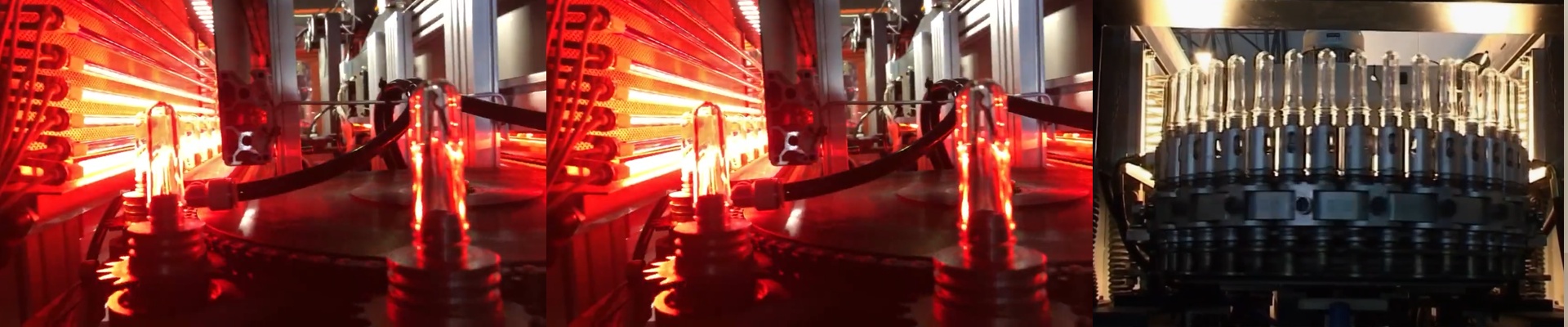
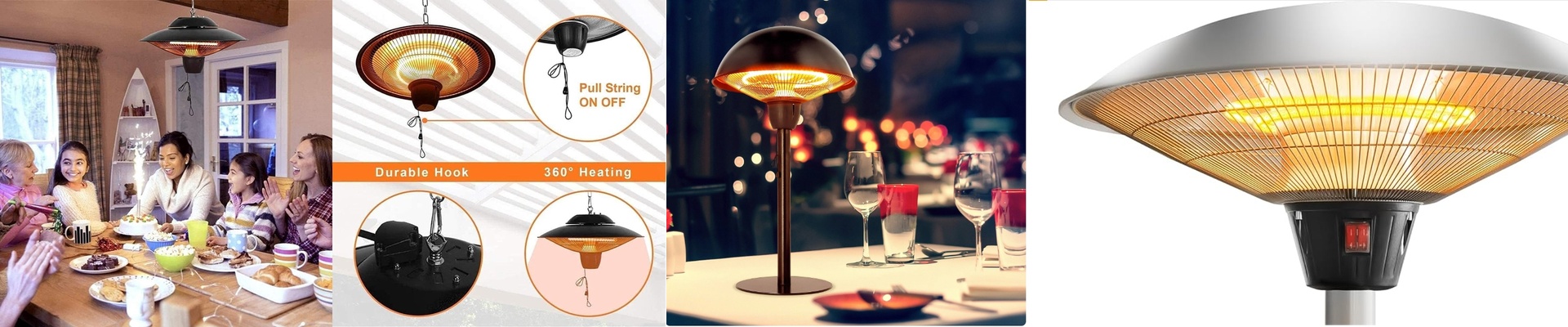
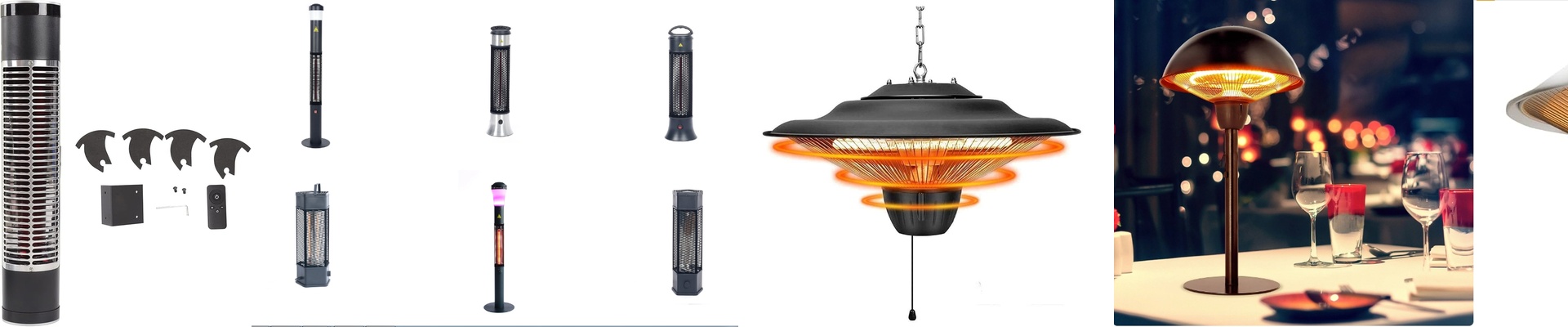
Let’s be honest about bathrooms. They’re brutal on electronics. Between the steam, the humidity, and the constant condensation, things just wear out faster. Usually, when a heating element finally gives up the ghost after a few years, you’re stuck. Most heaters are hard-wired into the wall, meaning you have to pay an electrician more to rip the whole thing out than the actual heater costs to buy. It’s a waste of money and a massive headache. So, we did things differently. We went with a modular setup. The “Plug and Play” Approach Most brands bake the heating element right into the frame. If one tube pops, the whole unit is trash. We don’t do that. Our infrared tubes sit in their own little housings with quick-connect terminals. If a tube fails five years from now, you don’t need to tear your ceiling apart. You just pop the old module out and drop a new one in. Simple. Heat That Actually Hits You We use shortwave infrared. Instead of trying to warm up every single cubic inch of air in a drafty bathroom—which takes forever—this heat goes straight to you. It’s that instant warmth you feel the second you step out of the shower. But since we’re dealing with water and electricity, we can’t cut corners. We seal everything with silicone gaskets and IP-rated enclosures. It keeps the steam out of the guts of the machine so you don’t have to worry about a short circuit while you’re brushing your teeth. The Trade-off (and how we fixed it) Now, having more connection points can be risky. In a damp room, cheap metal pins can corrode. Once that happens, you get uneven heat or a drop in power. To stop that from happening, we use gold-plated or nickel-coated pins. They don’t rust. They just work. The best part? Replacing a module takes a couple of minutes. No soldering, no complex rewiring, and no calling in a professional for a ten-minute job. You just unplug the dead part, slot in the new one, and you’re warm again.