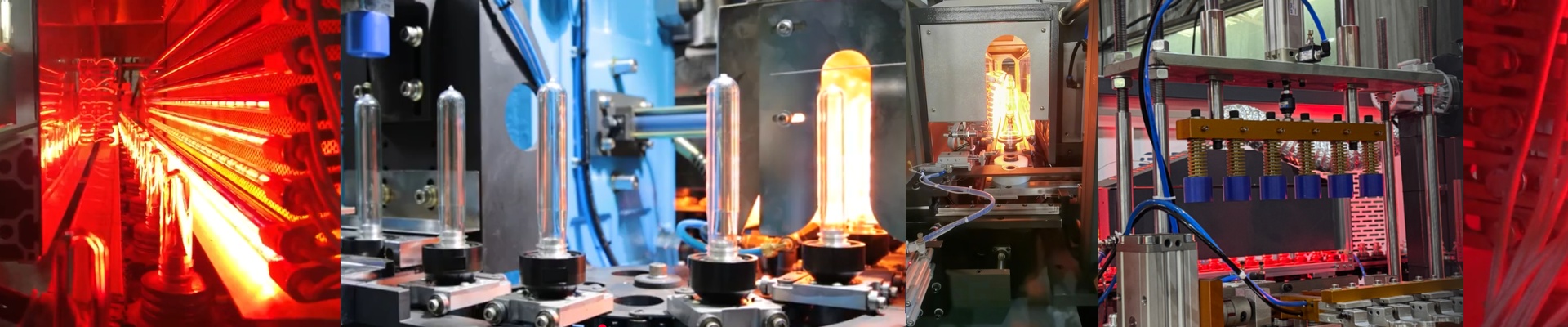
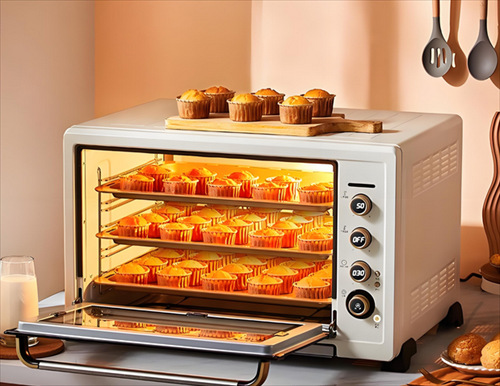
When the rush hits, you don’t have time to wait on the oven. You need heat—right now—and you need it to behave, cycle after cycle. In a convection oven, that means the heating element has to come alive instantly, hold temperature without hunting, and deliver even energy across every rack. If the heating tube lags, you get slow preheat, uneven color, and a service call landing right at the start of service. The high-power infrared heating tube for convection ovens was built for that reality. It swaps guesswork for repeatable heat, and you can feel the control in the product you pull out.
What matters, technically
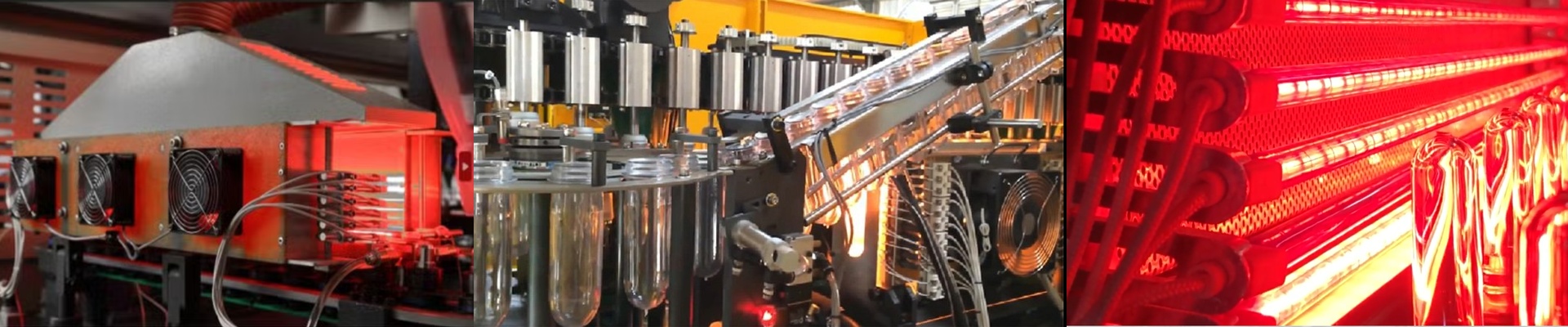
Infrared heating tubes radiate energy directly into the load, instead of leaning on air as the main transfer path. That shift matters in a convection oven because the air is already moving hard. The infrared output adds a second, targeted heat pathway that speeds recovery and smooths out hot spots. We build these tubes around high power density, which translates to fast temperature rise. In practical terms, the oven gets back to setpoint faster after door openings and product loading, so you spend less time waiting and more time baking. The response is immediate—no long warm-up penalty, no long cool-down drift. The control story comes from the nature of infrared: you can tune the energy delivery precisely. Paired with a stable thermostat or control system, the tube helps the oven hold tighter bands, especially in the critical first minutes when the crust sets and moisture drives off. You get repeatable results across shifts, even when the kitchen air temperature swings. Uniformity isn’t just about air temperature. Convection moves the air, but the radiant field from the heating tube adds a stable, even layer of energy across the baking chamber. That improves top-to-bottom and front-to-back consistency, so one rack doesn’t come out darker while another lags.
Why this works in a busy kitchen
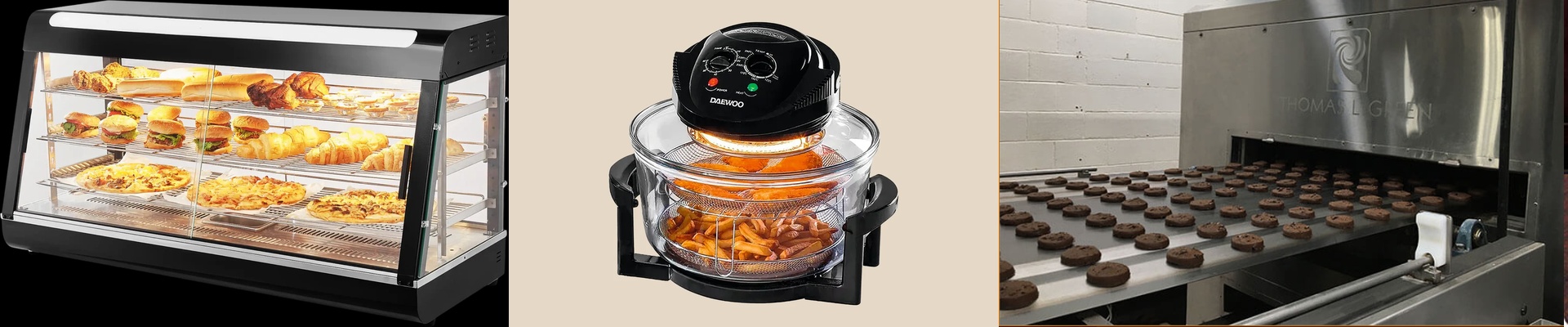
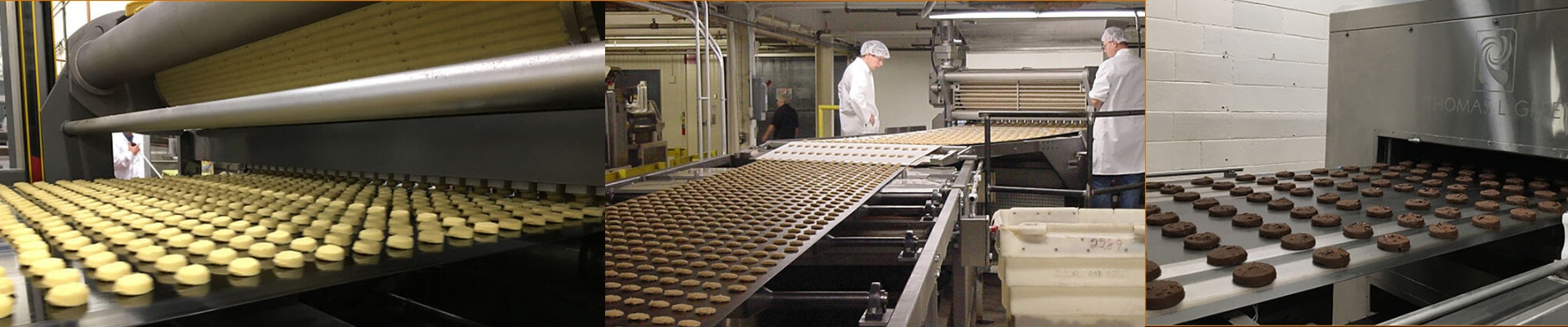
In a busy kitchen, the convection oven is rarely idle. Doors open, trays go in, cold pans hit the chamber, and the temperature takes a hit. A standard heating element can struggle to recover quickly, and the control system ends up chasing the setpoint. With a high-power infrared heating tube, the oven comes back to target faster, so your bake profile stays intact. That speed shows up in day-to-day work. Preheat times shrink. Bake windows tighten. You can run more trays per hour without pushing the oven past its recovery limit. In high-volume service, that means fewer underbaked sheets and fewer overbaked ones. Quality shows up where it counts—on the crust and in the crumb. Infrared energy promotes a clean set on the surface, supporting the caramelization and structure you want, while the convection air does its work inside. The result is more consistent color, better texture, and fewer rejects that have to be reworked. Energy use is real money in any kitchen. Because infrared energy is directed into the load, less heat is wasted warming the oven frame and the surrounding air. Each bake cycle can use less energy while still hitting the same time and temperature targets. Over a week, that adds up to a measurable drop in kWh without changing the menu. Durability matters when the oven is running long hours. These tubes are built to handle rapid cycling and the high heat environment of a commercial convection oven. When maintained properly, they hold output steady over time, so performance doesn’t drift as the weeks pass.
What you need to know
Installation is straightforward on most convection ovens, but compatibility depends on the oven’s mounting, voltage, and terminal design. Before you order, confirm the tube length, end fittings, and electrical specs against your oven’s chassis. If your oven uses a specific bracket or connector style, match it—forced fits create stress and shorten service life. Infrared tubes run hot and respond quickly. That’s the point, but it also means control settings matter. If you’re running delicate items, dial in the profile with a probe and adjust fan speed and setpoint to avoid overshoot. The tube gives you precision, but you still have to set the dial where your product needs it. Cleaning is simple, but it matters. Keep the tube surface clear of grease and carbon buildup. A clean tube delivers consistent radiant output. A dirty tube loses efficiency and can create uneven hot spots. Use a non-abrasive cleaner and let the oven cool before you wipe down the element. One practical note: because infrared output is strong, the oven interior reflects and holds heat differently. Staff should expect faster surface temperatures on pans and shelves. Use the right gloves and standard handling procedures. The tube is designed to be safe in normal operation, but the heat dynamics change—plan for it, don’t fight it. If you run a convection oven hard, you know the difference between “heat that exists” and “heat you can trust.” A high-power infrared heating tube makes the oven more predictable: it hits setpoint quickly, holds steady, and delivers consistent results across every rack. That kind of reliability shows up on the ticket line, and on the bottom line.