

The Heat That Actually Gets In
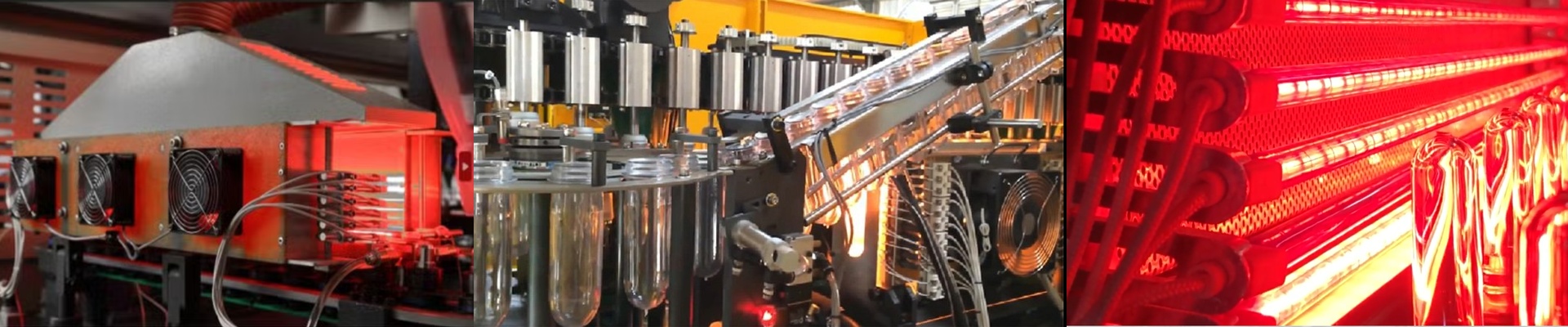
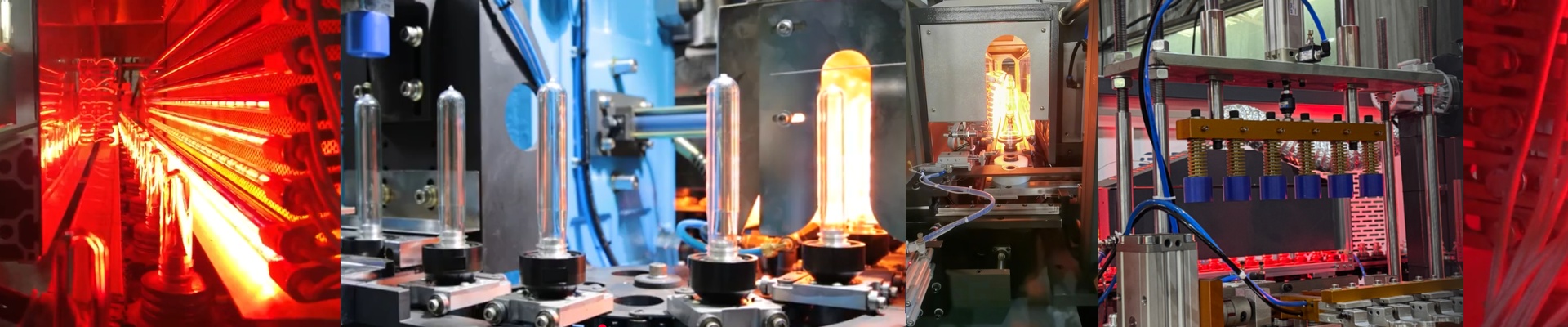
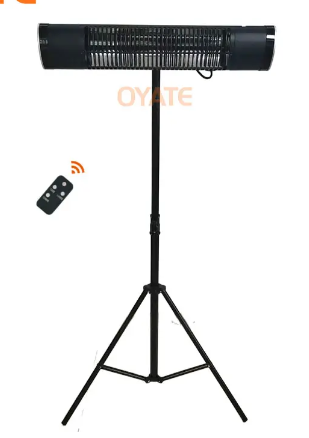
Here’s the thing about patio heaters: most of them just warm the air around you. We built ours differently. We wanted heat that goes deeper—heat you can actually feel in your muscles, not just on your skin. So we leaned into shortwave infrared, powered by a halogen heating tube. It sends out high-intensity infrared that moves through the air without losing much energy, then sinks right into your skin and the muscle underneath. That’s not a light blanket of warmth. It’s a deeper kind of heat—one that raises tissue temperature fast. For athletes, that means a quicker warm-up before you go, and a smoother wind-down after. The payoff? Less stiffness, better local circulation, and your body getting the support it needs to recover the way it naturally wants to.
Heat You Can Count On—Rapid and Steady
We didn’t want “maybe warm” or “kinda hot over here.” We wanted predictable heat, every time. The halogen element runs hot, and that’s intentional. It produces a focused infrared spectrum that’s tuned to be absorbed by tissue, so the warmth goes where it matters. And the tube itself sits inside a tough, weather-resistant assembly. It stays stable even when life gets rough—busy patio nights, active training areas, the occasional knock or jolt. Power is matched to what the heater needs to deliver. It runs on standard voltage setups and puts out enough wattage to cover a defined area with steady intensity. The electrical side stays protected, and the heat stays controlled, so you don’t get hot spots or uneven patches. Just consistent warmth, exactly where you want it.
What It Feels Like in Real Life: Recovery That Moves With You
In practice, this setup is all about helping muscles relax after hard training. That penetrating heat eases tightness and makes recovery sessions feel more comfortable. It can also support physical therapy by helping keep tissue temperature steady, which can make stretching and rehab exercises feel smoother. Now, there’s one important point to keep in mind: this is intense radiant energy. So you do need proper spacing and ventilation. Surfaces, equipment, and nearby materials should be rated for the ambient temperature. When the setup is done right, the heater turns infrared physics into something you can feel—fast-acting, reliable warmth that supports recovery in a way that’s practical, real, and honestly kind of satisfying.