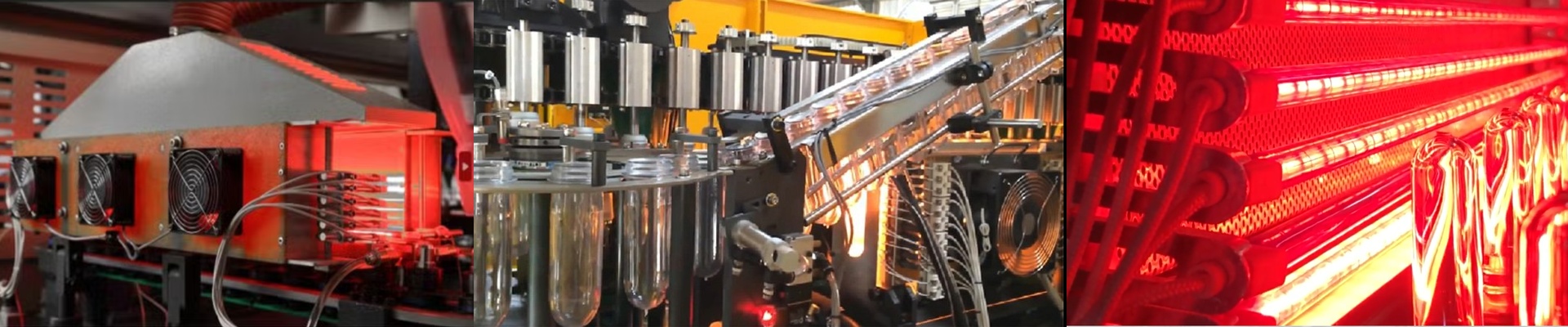
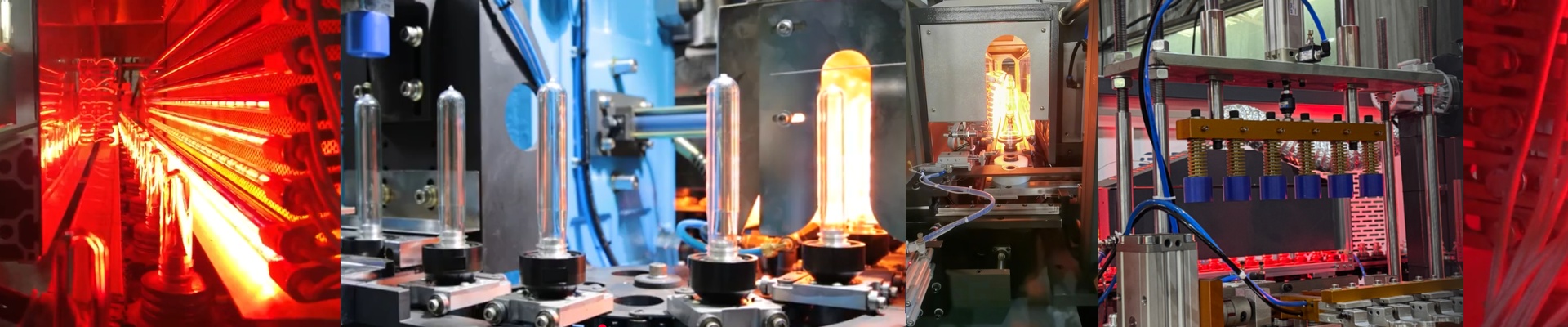
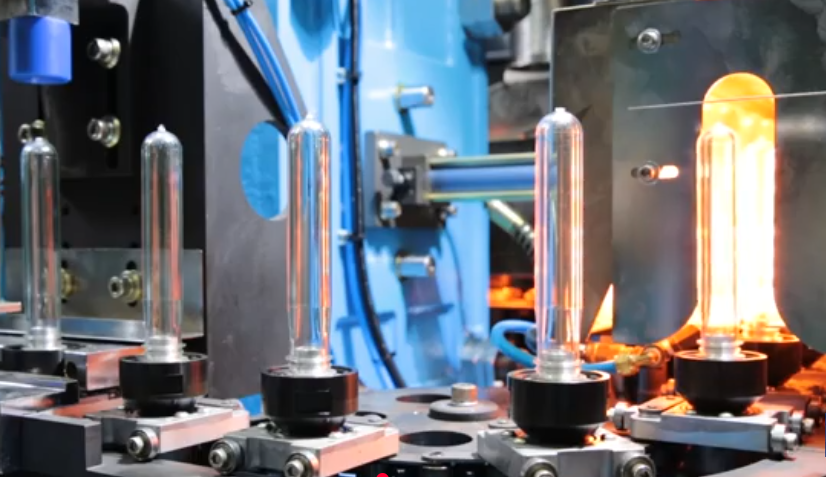
On the blow molding line, uneven preform heating shows up immediately: off-center walls, blown bottles, and a heating tunnel that’s always chasing setpoints instead of holding them. On Aoki machines, that IR radiator lamp bulb isn’t just any bulb—it’s a matched thermal component, engineered to the machine’s heating profile.
What matters technically
We build Aoki IR radiator lamp bulbs as short-wave infrared emitters, using a quartz envelope and a halogen filament. The result is fast-response heat, concentrated right where the preform needs it, with response times measured in seconds, not minutes. The specs are chosen to match the machine’s heating zone power budget: common voltages cover 100–240 V, wattages are matched to the original lamp rating, and the envelope is sized to the Aoki heater reflector and clamp. The connector is typically an R7s base, and the quartz tube length and arc position are held to tight tolerances so the hot zone stays aligned with the preform path. We also specify spectral output and emitting efficiency to deliver repeatable heating, not just raw heat.
Why it works on an Aoki
On an Aoki stretch blow molder, the preform only spends a short window in the heating tunnel. If lamp output drifts or the geometry is off, you get temperature swings that force you to slow the line or run with inconsistent bottle quality. These bulbs are engineered to the Aoki heating profile: they restore the original heat pattern, stabilize preform surface temperature, and cut down variability. The payoff is fewer rejects, more consistent cycle speeds, and predictable lamp life that reduces unplanned changeovers. Energy use follows the rated power, but the real gain is fewer temperature corrections.
The practical details
Installation is straightforward, but the details matter. Handle the quartz tube by the metal base only—oils and fingerprints create hot spots and shorten life. Confirm the exact wattage, voltage, envelope length, and base type against your Aoki model and heater assembly; even small mismatches shift the heat pattern. After replacement, run a temperature scan and fine-tune the zone settings, because a new lamp can move the heating curve a bit. Plan replacements during scheduled maintenance—let the heater cool, replace both lamps in a zone as a pair, and keep a log of run hours to catch trends before they turn into downtime.
Blow molding लाइन पर, असमान प्रीफॉर्म हीटिंग तुरंत नजर आ जाती है: ऑफ-सेंटर वॉल्स, फूली हुई बोतलें, और एक हीटिंग टनल जो सेटपॉइंट्स को पकड़ने की बजाय हमेशा उनके पीछे भागती रहती है। Aoki मशीनों में, वह IR रेडिएटर लैम्प बल्ब सिर्फ कोई बल्ब नहीं है—यह एक मिलान किया हुआ थर्मल घटक है, जिसे मशीन की हीटिंग प्रोफ़ाइल के अनुसार इंजीनियर किया गया है।
तकनीकी दृष्टि से महत्वपूर्ण क्या है
हम Aoki IR रेडिएटर लैम्प बल्बों को शॉर्ट-वेव इन्फ्रारेड एमिटर के रूप में बनाते हैं, क्वार्ट्ज एनवेलोप और हैलोोजन फिलामेंट का उपयोग करते हुए। परिणामस्वरूप, तेज प्रतिक्रिया देने वाली गर्मी मिलती है, जो सीधे प्रीफॉर्म को चाहिए वहां केंद्रित होती है, प्रतिक्रिया समय सेकंडों में नापे जाते हैं, मिनटों में नहीं।
स्पेसिफिकेशन्स मशीन के हीटिंग ज़ोन पावर बजट से मेल खाने के लिए चुनी जाती हैं: सामान्य वोल्टेज 100–240 V तक कवर करते हैं, वाटेज ओरिजिनल लैम्प रेटिंग के अनुरूप होते हैं, और एनवेलोप Aoki हीटर रिफ्लेक्टर और क्लैंप के अनुसार साइज में होता है। कनेक्टर आमतौर पर R7s बेस होता है, और क्वार्ट्ज ट्यूब की लंबाई तथा आर्क पोजीशन को सख़्त सहिष्णुता में रखा जाता है ताकि हॉट ज़ोन प्रीफॉर्म पाथ के साथ संरेखित रहे। हम स्पेक्ट्रल आउटपुट और एमिटिंग एफिशिएंसी को भी निर्दिष्ट करते हैं ताकि केवल कच्ची गर्मी नहीं बल्कि दोहराने योग्य हीटिंग मिले।
Aoki मशीन पर यह क्यों काम करता है
Aoki stretch blow molder में, प्रीफॉर्म हीटिंग टनल में केवल एक संक्षिप्त समय के लिए रहता है। यदि लैम्प आउटपुट डिफ्ट करता है या ज्यामिति सही नहीं होती है, तो तापमान में उतार-चढ़ाव होता है जिससे लाइन को धीमा करना पड़ता है या बोतल की गुणवत्ता असंगत हो जाती है।
ये बल्ब Aoki हीटिंग प्रोफ़ाइल के अनुसार इंजीनियर किए गए हैं: ये मूल हीट पैटर्न को बहाल करते हैं, प्रीफॉर्म की सतह का तापमान स्थिर करते हैं, और वेरिएबिलिटी को कम करते हैं। इसका नतीजा कम रीजेक्ट, अधिक सुसंगत साइकिल स्पीड, और अनुमानित लैम्प लाइफ के रूप में होता है, जिससे अनियोजित चेंजओवर कम होते हैं। ऊर्जा उपयोग निर्धारित पावर के अनुसार होता है, लेकिन वास्तविक लाभ कम तापमान सुधारों में है।
व्यावहारिक विवरण
स्थापना सरल है, लेकिन विवरण महत्वपूर्ण हैं।
क्वार्ट्ज ट्यूब को केवल धातु के बेस से ही संभालें—तेल और फिंगरप्रिंट हॉट स्पॉट पैदा करते हैं और जीवनकाल घटाते हैं। अपने Aoki मॉडल और हीटर असेंबली के खिलाफ सही वाटेज, वोल्टेज, एनवेलोप की लंबाई और बेस प्रकार की पुष्टि करें; यहाँ तक कि छोटे असंगतियाँ भी हीट पैटर्न को बदल देती हैं।
बदलाव के बाद, तापमान स्कैन चलाएं और ज़ोन सेटिंग्स को फाइन-ट्यून करें, क्योंकि नया लैम्प हीटिंग कर्व को थोड़ा हिला सकता है। बदलाव निर्धारित रखरखाव के दौरान योजना बनाएं—हीटर को ठंडा होने दें, एक ज़ोन में दोनों लैम्प जोड़ी के रूप में बदलें, और रन घंटे का लॉग रखें ताकि रुझान पहचान सकें इससे पहले कि वे डाउनटाइम में बदलें।