
Introduction
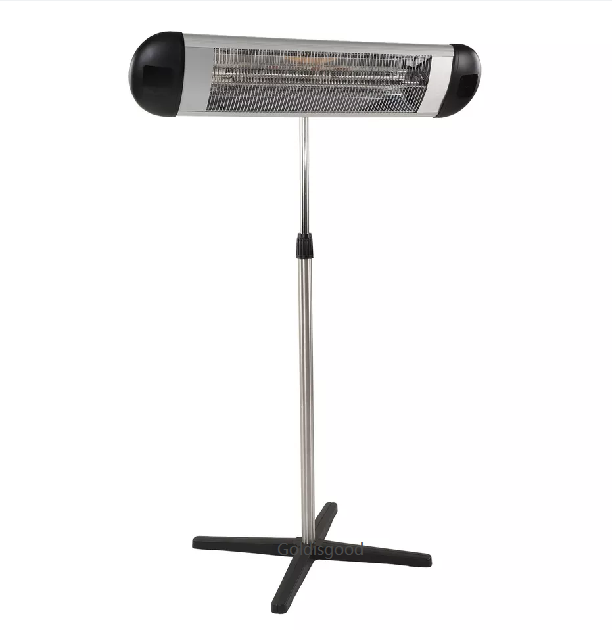
Picture this: you’ve got a space where the air has to be spotless and the temperature can’t budge an inch. Think high-end display cases or labs packed with sensitive gear. The problem? Traditional heaters that blow air around just stir up dust and create temperature swings. We built our industrial infrared heaters to solve that. They deliver direct, radiant warmth. No moving air. No dust kicked up. Just steady, controllable heat that does its job quietly.
The Tech Behind It
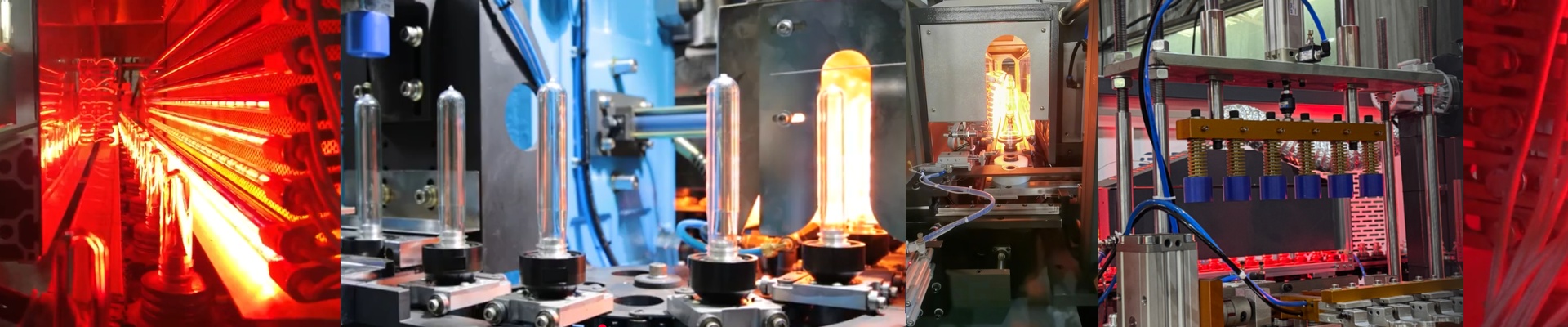
Here’s the thing: we designed these units to pack a lot of clean heat into a small footprint, without blowing your electrical budget. Plug them into a standard 400V outlet, and you get serious wattage in a compact form. The shortwave output hits objects directly, not the air around them. That means fast response. You get heat when you need it—and it cuts off the moment the temperature is right. The result? A stable environment with almost no overshoot. When you’re protecting delicate instruments, that kind of control is everything.
What It’s Made Of
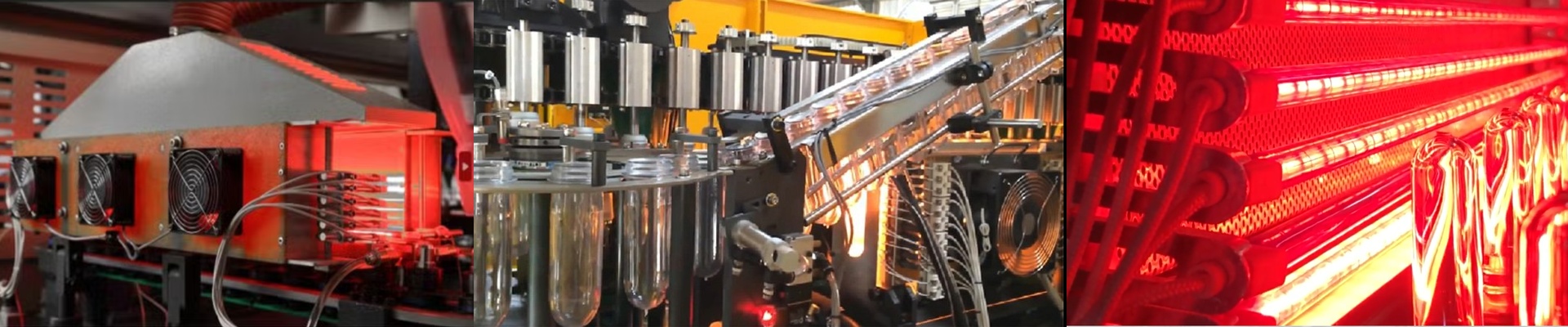
Inside, you’ll find a halogen element housed in a quartz tube. That combo keeps the heat path clean and predictable. The halogen cycle protects the filament, so it doesn’t blacken and the output stays consistent over time. We chose the R7s connector because it makes sense in the real world: it handles high heat, installs quickly, and stays solid even when there’s vibration. In cleanrooms and labs, the lack of moving parts means no fan noise and no added load on your air filtration. And because the quartz envelope resists thermal shock, rapid on-off cycling won’t crack the tube.
Where It Shines
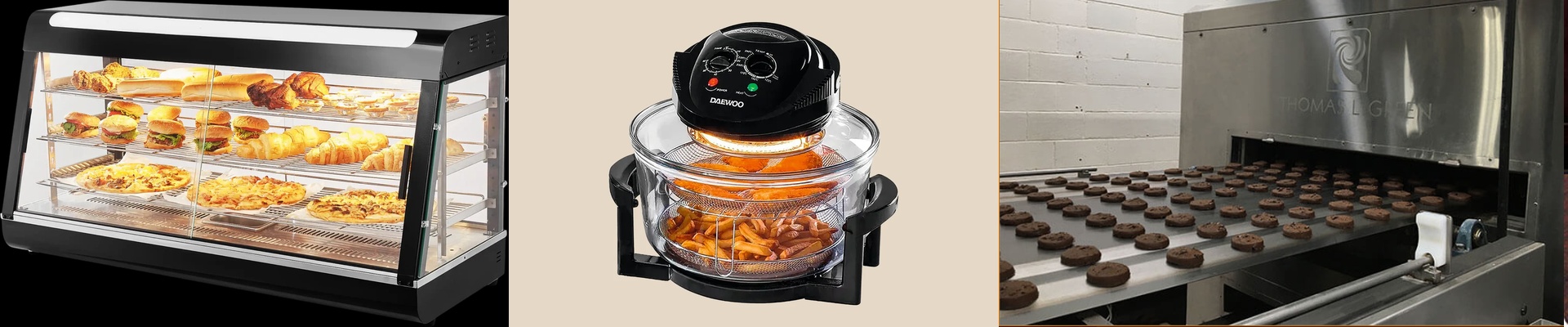
In display windows, the no-draft heat keeps glass clear—no fogging, no dust settling. In precision labs, the dust-free approach protects calibration-sensitive equipment and keeps contamination risks low. Because it heats surfaces and materials directly, you get even warmth without air currents. Now, there is one trade-off to keep in mind: this is line-of-sight heating. If something gets in the way, it casts a shadow, so your layout needs planning. And yes, you’ll get focused, localized heat, so ventilation and clearance have to be set up properly. But when you get the placement right, it’s a drop-in solution that holds steady temperatures without kicking up a single speck of debris.