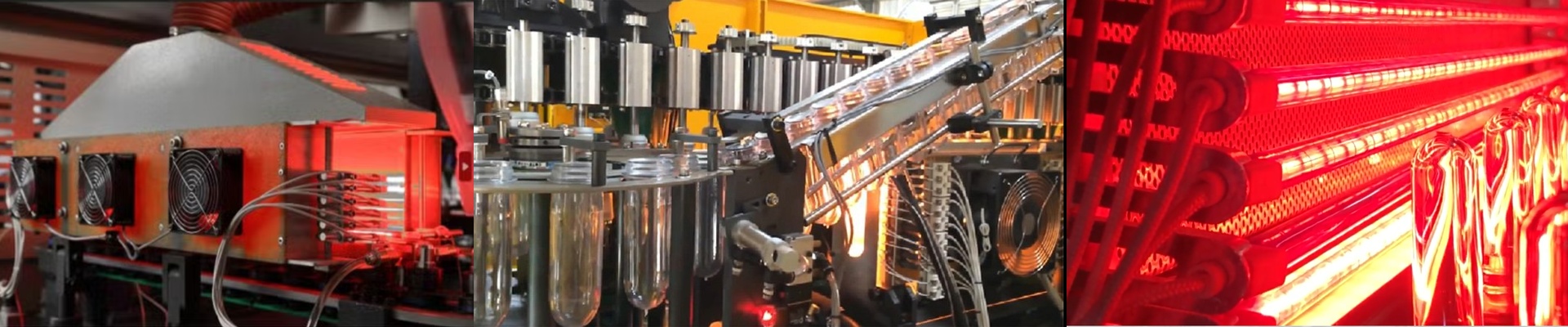
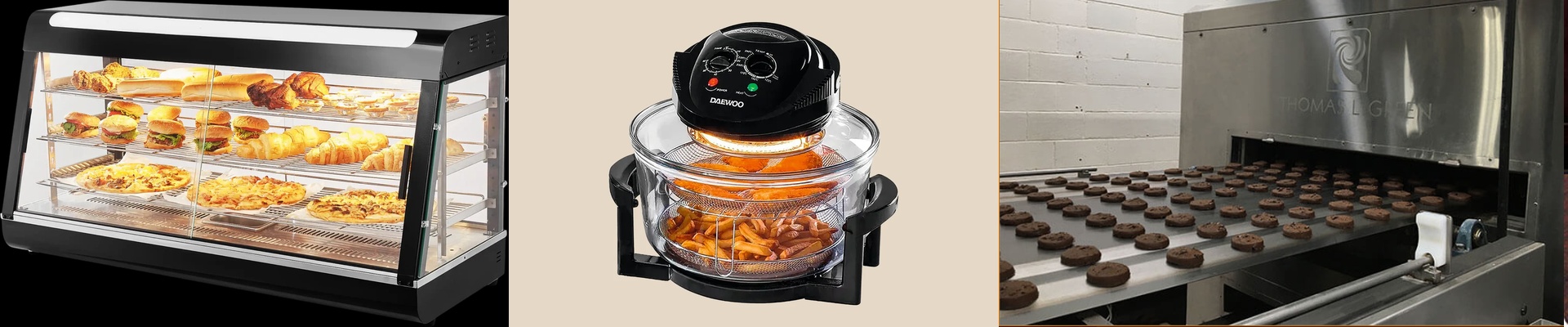
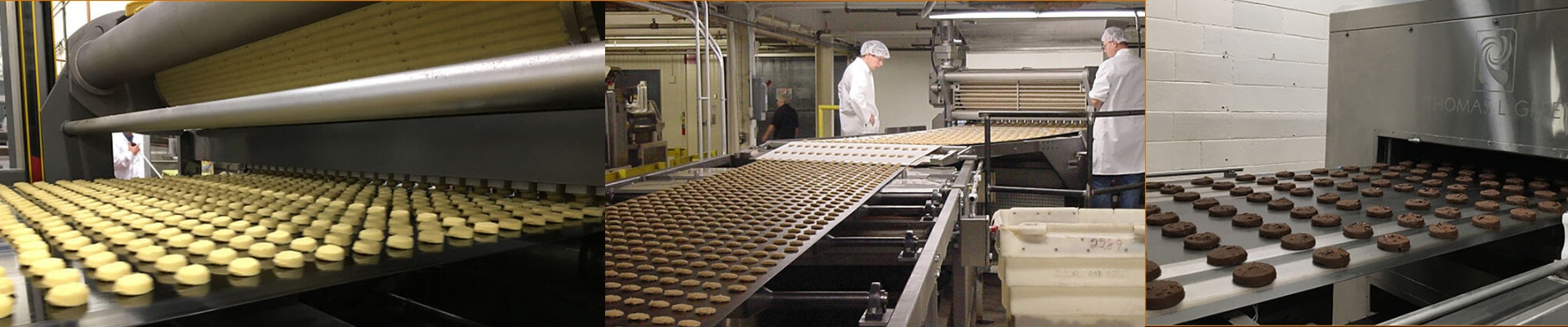
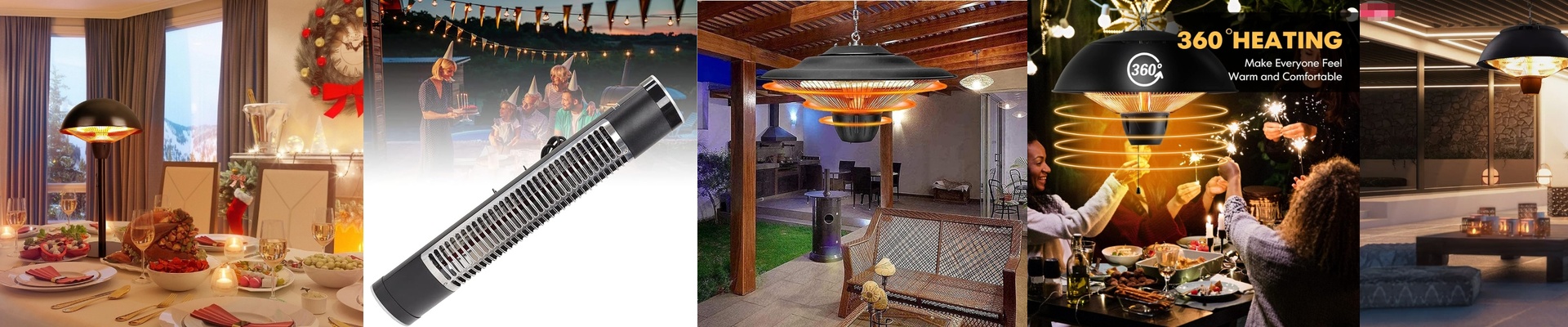
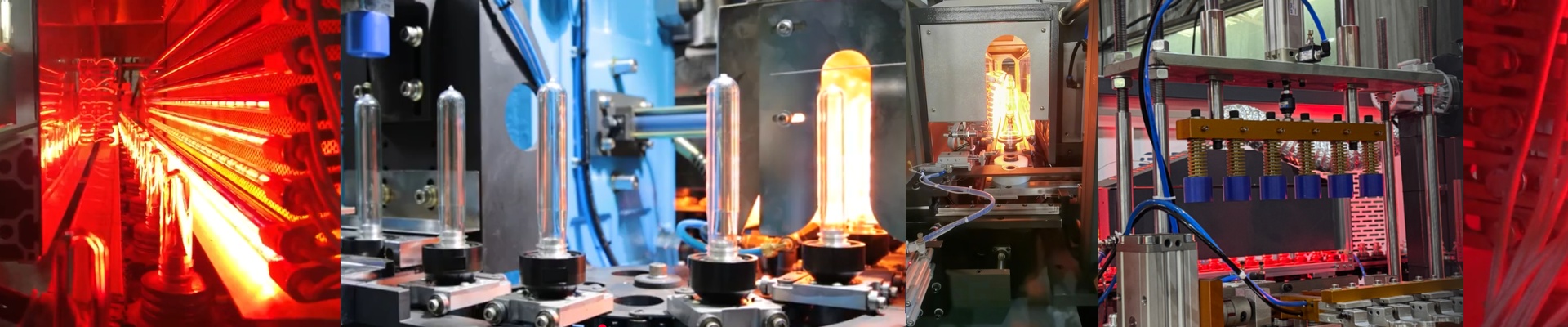
When your deck oven starts lagging on heat, the whole line gets pinched. You end up with underbaked centers and edges that burn before the middle sets. You’re left scrambling to salvage trays while the next batch backs up. The bake lives or dies on the heating element. In a deck oven, control begins with a heat source that’s stable and responds the second you need it. What matters under the hood We spec the deck oven with a temperature-control quartz tube heating element. Quartz snaps to it—full power in seconds, then the thermostat makes fine tweaks without a long lag. The tube runs hot and even, throwing radiant heat straight onto the stone hearth and into the dough. In practice, the stone holds steady, the crust sets fast, and the crumb cooks through without drying out. Power is matched to deck size, sized for 208–240V service, with standard terminals and a compact shape that fits tight baking chambers. Why this heat works on the line This is the kind of heat that makes consistent pizza and bakery bread happen. You get a clean, golden crust, uniform top browning, and an interior that stays tender—crisp outside, soft inside, shift after shift. Because the element heats fast and holds steady, you tighten the bake window, cut idle time, and push more covers through the same service. You spend less time chasing temperature and more time baking, so energy use drops. The details that keep it running Quartz tubes run hot, so clearance to the deck walls and insulation matters. Match the oven voltage and terminal layout before ordering, and keep the element clean and dry—grease and steam will cut its service life. Pair the element with a well-calibrated thermostat for the best control. Treat the system as a matched set, and you get repeatable heat, day after day.