

Introduction
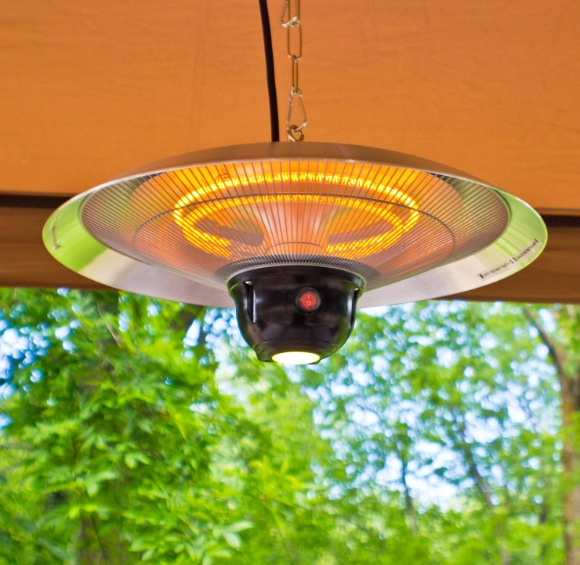
We build infrared gazebo heaters with one clear purpose: to warm the people sitting in your parks, the folks waiting at the bus stop, and the visitors stepping into your public buildings. Not the empty air around them. For the folks managing public spaces, that means you get heat where it’s needed, when it’s needed—and you see a real dip in the annual heating bill compared to those old, clunky central systems.
How It Actually Works
Here’s the magic: infrared heat moves like light. It travels in a straight line and warms up objects and people directly. No more wasted energy pushing hot air through miles of ductwork. Our standard units run on a 220V–240V line and pack up to 2500W of power. That’s the kind of punch you need for semi-outdoor spots like gazebos and covered walkways. The quartz tube is sized to the wattage, usually between 300mm and 600mm, so the heat beam hits the target perfectly—without wasting energy on the space beyond.
The Build, Up Close
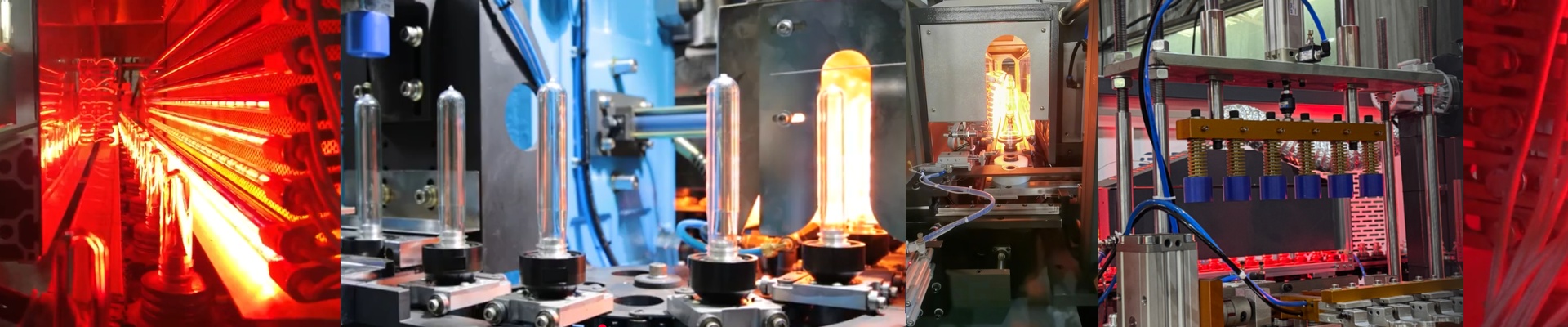
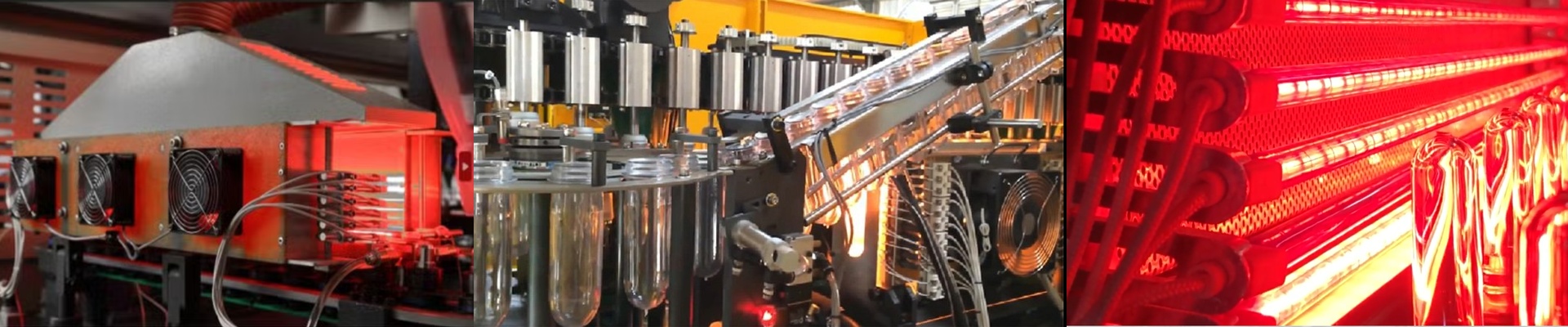
We use a halogen-filled quartz tube because it holds its temperature steady, even when you switch the heat on and off a lot. It’s tough. It doesn’t crack under the stress of rapid cycling. The reflector coating is there for one reason: to push every bit of usable heat forward. More warmth where you need it, and less wasted on heating the fixture itself. And the connector? It’s a simple R7s—double-ended, linear, and built to hold steady even with a little vibration. Installation is a breeze. Line up the pins, lock the bracket in place, and wire it to a protected circuit. Done.
Where It Shines—And Why It Works
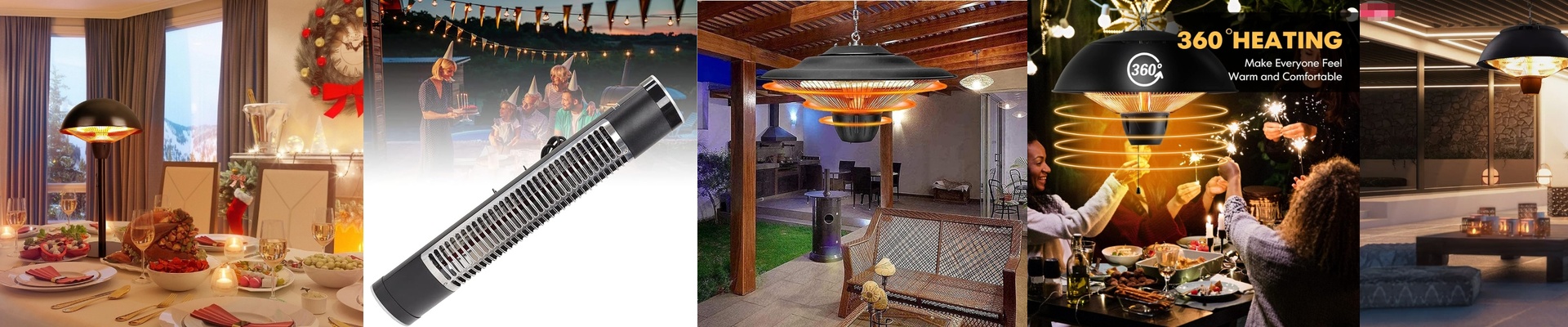
These heaters are perfect for places where people come and go—entrances, shelters, event spaces. The heat hits instantly. So you only run the system when someone’s actually there. That means far less runtime and way lower energy use than keeping a huge volume of space warm 24/7. There is a catch, though: the heat is directional. You need to plan the placement so no one’s left standing in a shadow or a cold spot. But when you get the setup right? You give people comfort exactly where they need it. You keep the maintenance simple, the footprint small, and the budget under control—all without tearing up the place to make it happen.