
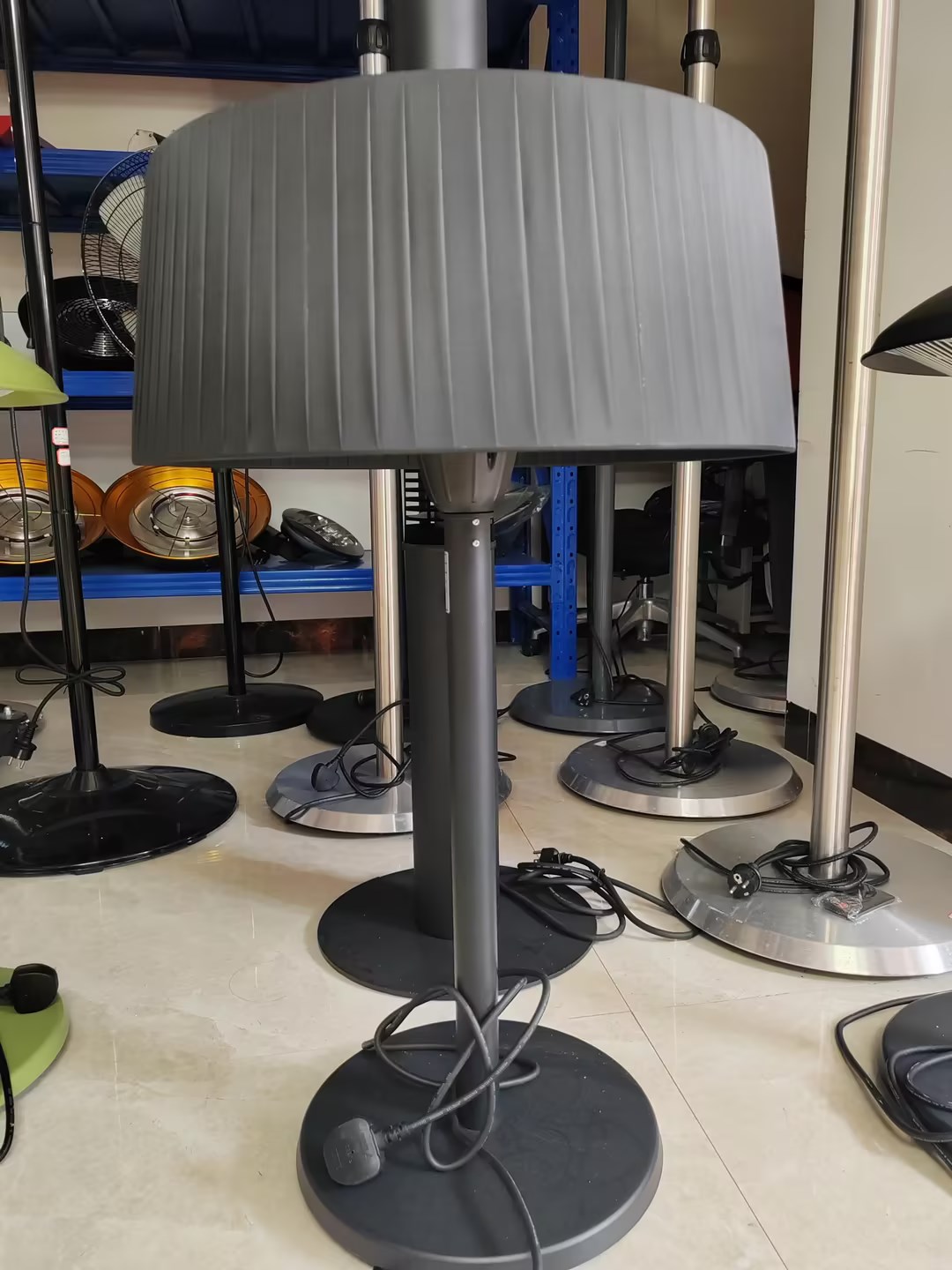
Why Most Patio Heaters Die in Nightclubs (And How We Fixed It)
Let’s be honest: nightclub patios are brutal. You’ve got heavy humidity, random grime in the air, and temperature swings that would make a thermometer scream. It’s a nightmare for infrared heaters. Most of them just can’t take the beating, and before you know it, the lamps are burnt out or the insides are rusted through. The nightmare of the “fog” Here is the thing about fog. It’s not just about not being able to see your drink. It’s actually a huge problem for the hardware. Imagine water vapor settling on a cold quartz tube. Then, you flip the switch and that tube hits 500°C in seconds. That sudden shock can literally crack the glass. We also see “spotting,” where minerals from the water bake onto the tube, creating hot spots that eventually pop the lamp. To stop that, we used specialized anti-fog coatings and sealed everything up tight. It keeps the moisture away from the element so the heat stays even and the glass stays intact. Keeping the rain out If you’re running an outdoor venue, “water-resistant” isn’t enough. You need something that can handle wind-driven rain and the harsh chemicals your cleaning crew uses every morning. We spent a lot of time obsessing over the seal points—specifically where the wires enter the chassis and where the reflector meets the case. If a single drop of water leaks into those electrical terminals, you’re looking at short circuits or oxidized contacts. Not a great look when you’re trying to keep a crowd warm. We swapped the standard seals for silicone gaskets to make sure the guts of the machine stay bone-dry. The balancing act But here’s the catch: if you seal a heater too tight, you trap the heat inside. You end up frying your own transformer. It’s a bit of a tug-of-war. You want it airtight to keep the rain out, but you need it to breathe so it doesn’t overheat. We solved this with a vented chassis. It lets the hot air escape but keeps the water from dripping in. At the end of the day, we just wanted to make a heater that lasts. By keeping the element dry and the terminals sealed, you spend way less time calling a technician and more time actually running your business.