

Why we put every garden shed heater through the wringer
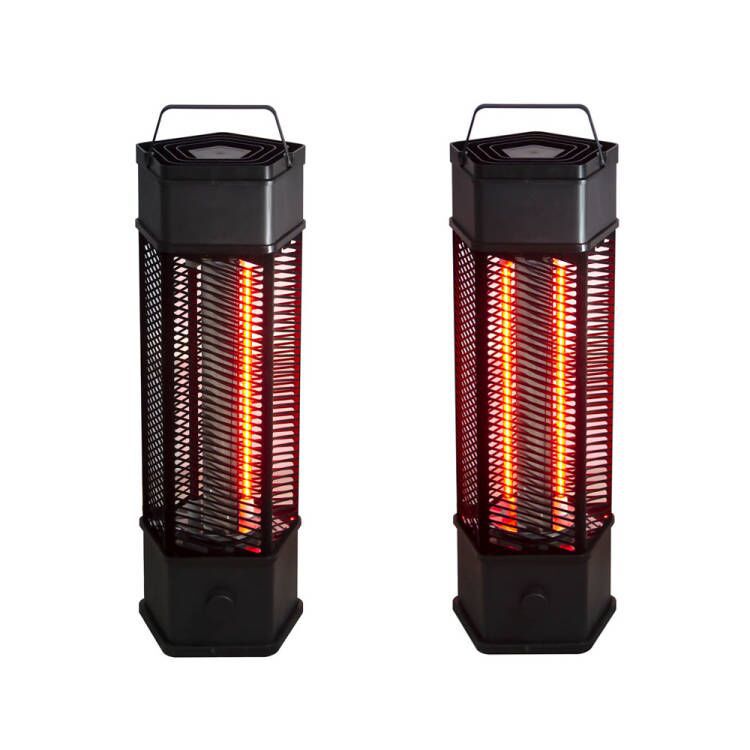
We build wall-mount heaters for garden sheds, sure. But the real work? It all happens in the test lab. Here’s the question we keep coming back to: why put every single unit through harsh damp-heat aging? Because your shed isn’t a climate-controlled living room. It’s a real-world beast. Freezing nights. Soggy, humid mornings. That back-and-forth is brutal on anything electrical. We want a heater that can take that kind of beating and keep on humming.
Power, voltage, and keeping things compact
We designed this heater to be a space-saver, but still pack a serious punch. That means using a high-wattage halogen element to give you fast, focused warmth the moment you need it. But that kind of power needs a solid voltage supply, so it can run strong even down a typical shed wiring run without the power dipping. Now, high output has a trade-off. It creates concentrated heat. So your shed needs decent airflow. It’s a simple thing, but it matters—good ventilation keeps the unit and nearby materials from getting too hot.
What’s inside: the halogen core and the right connections
Inside, you’ll find a shortwave halogen element inside a quartz envelope. We chose quartz for a reason—it handles the shock of turning on and off quickly, way better than regular glass. The halogen gas inside protects the filament, which helps the bulb last longer. And we use a standard R7s connector. Nothing fancy, nothing complicated. It’s a proven fit that makes installation a straightforward wire-up, and it stays tight—no loose connections, even with a bit of vibration.
The test that proves it
The aging test is our quality gate. We run the heater continuously in a high-temperature, high-humidity chamber, compressing years of shed duty into just a few days. It stresses the seals, the connectors, the internal electronics—everything. If it can survive that, it can survive your shed. For you, that means fewer headaches, fewer service calls, and less downtime when you just want to get on with your work. And if a unit can’t hold its output or keep its insulation strong? We stop it cold. Because reliability in the field isn’t optional. It’s the whole point.