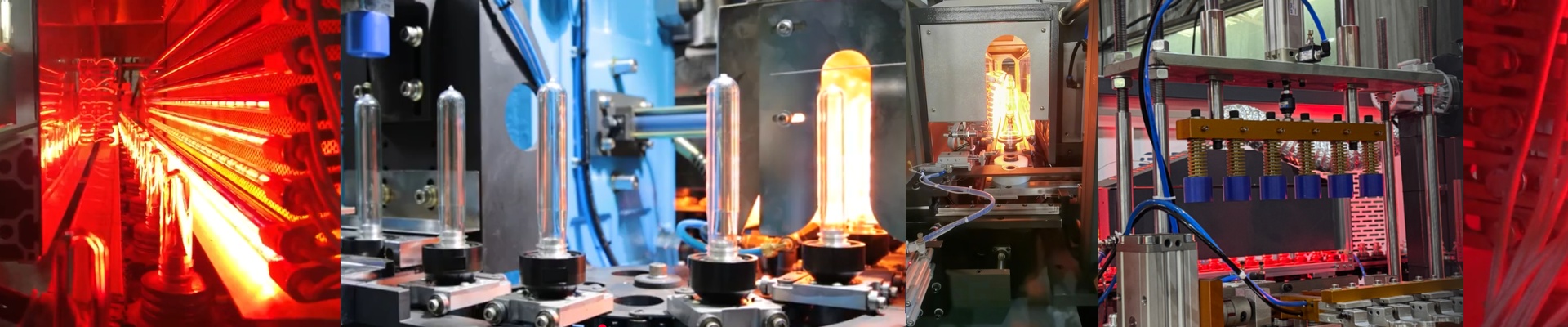
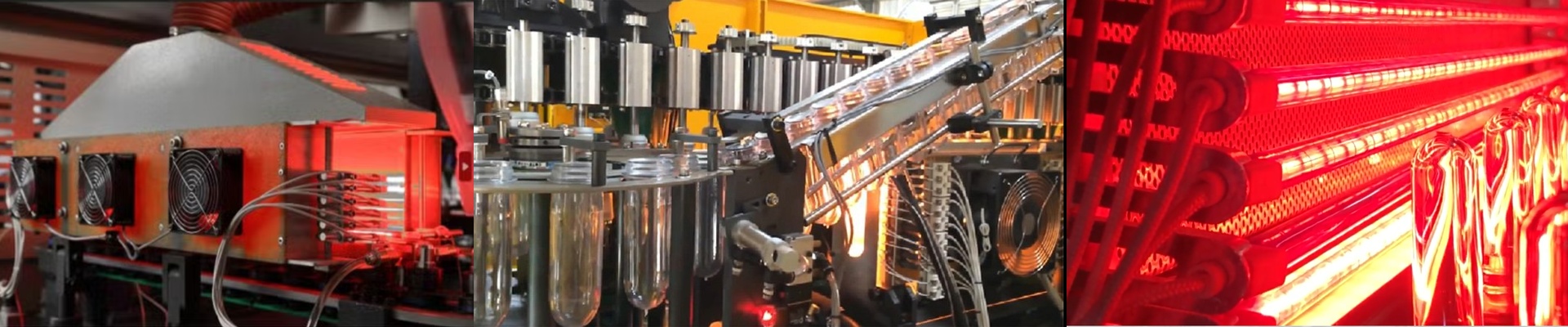
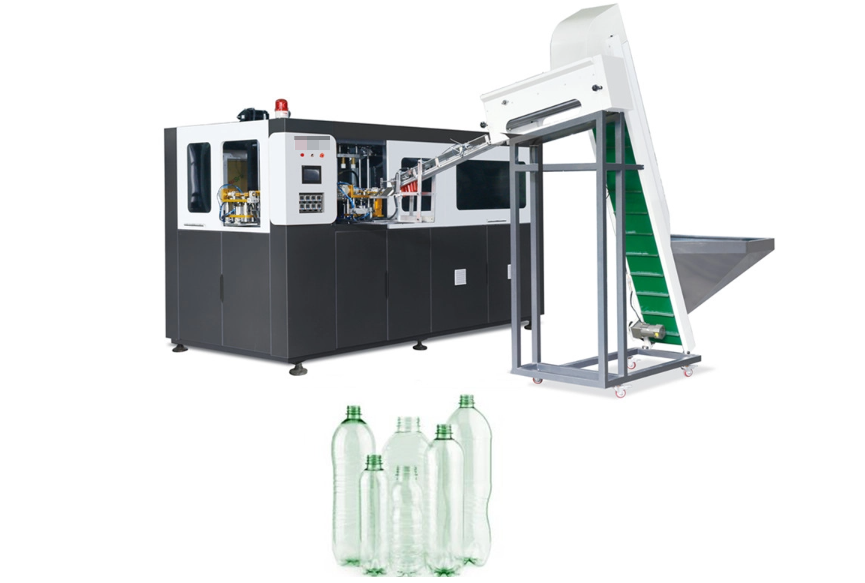
If you run PET hot-fill or high-heat lines, you know the routine. The heating tunnel starts chirping temperature alarms. Preforms either scorch or come up short on heat. You watch good bottles get scrapped while the line chases stability. Halogen and quartz infrared lamps age quickly, output drifts, and maintenance ends up scrambling—matching connectors, re-tuning power, and trying to keep rejects from stacking up. What we focus on, technically We build PETC heat-resistant preform heater lamps for the realities of stretch blow molding: short-wave infrared emitters in quartz envelopes, tuned for fast thermal response and tight spectral control. Pick wattage and length to match your blow molder’s heating zone—1200W to 2500W, 300mm to 1200mm—with R7s base or custom ceramic terminals. The geometry lines up with OEM mounting, so the lamp drops into the same bracket with the same focal distance to the preform wall. Output holds steady over 5,000+ hours, and the filament and reflector coating are spec’d to keep heating uniform—no hot spots, no banding. On Sidel, Krones, SIPA, Husky, SACMI, and Nissei ASB machines, the payoff is straightforward. Faster warm-up means less time spent in manual override after a changeover. Tighter temperature control across the heating tunnel cuts scrap from crystallization and thin walls, and it keeps cycle times stable even when you push output. You get fewer stops tied to lamps, predictable replacement intervals, and lower energy use per bottle because the emitter heats on demand without overshoot. Here are a few things that matter on the floor. Plug-and-play only works when the lamp length, wattage, and terminal match the original. Check the holder condition and reflector alignment—mis-seated lamps run hotter and die early. Short-wave infrared heats fast, but it needs clean optics; dust and bottle residue on reflectors will throw off your heating profile. Plan replacements during scheduled maintenance windows, and store spare lamps dry to protect the quartz.