

Basements turn into seasonal refuges—until the first cold snap hits. Concrete walls and floors suck heat right out of the room, fast. You end up piling on hoodies and blankets just to sit still. When the air feels damp and heavy, comfort isn’t about cranking the whole house. It’s about getting warmth where you actually use the space.
What matters, technically
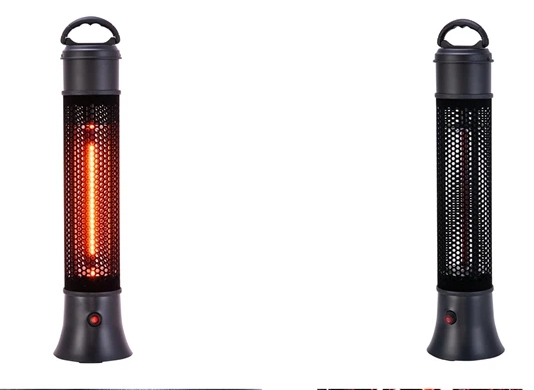
An infrared electric heater for basements doesn’t work like forced-air. It delivers radiant heat that travels in straight lines and warms people and surfaces directly, not the air that rises and escapes. Most models use a carbon fiber element or a quartz tube, paired with a reflector, to focus output into a defined comfort zone. You feel it within seconds of turning the unit on. For typical basements, you’re looking at standard 120V models that draw 1,500W—solid spot coverage. If the basement is larger or runs colder, 240V options give you more sustained output, and built-in thermostats help hold a steady comfort level without constant fiddling.
Why this approach fits basements
Basements are thermally hungry—concrete and masonry just pull heat away. Radiant heat answers that without pushing dust around or creating noisy drafts. The warmth feels even, starting underfoot and settling across your shoulders, which matters when you’re working, stretching, or just unwinding. That direct warmth supports better circulation and helps muscles relax, so the space feels healthier—less damp, less bone-chilling. And because the heater targets the area you occupy, you don’t have to heat the entire volume. Keep the rest of the house at a lower setting and still enjoy a basement that’s genuinely cozy.
The practical details you need
Infrared basement heaters are straightforward to install, but placement is where people get tripped up. Keep the unit at least three feet from combustibles, and follow the clearance requirements in the manual. They shine as supplemental heat in conditioned basements; if insulation is thin and the space is drafty, you may need more output or a different setup. Remember: radiant heat warms what it “sees.” If your seating is tucked into a corner, aim the heater to cover the primary zone, and consider a second unit for larger layouts. Get the positioning right, and the payoff is simple: a basement that stays welcoming all winter, with warmth you feel the moment you step down the stairs.