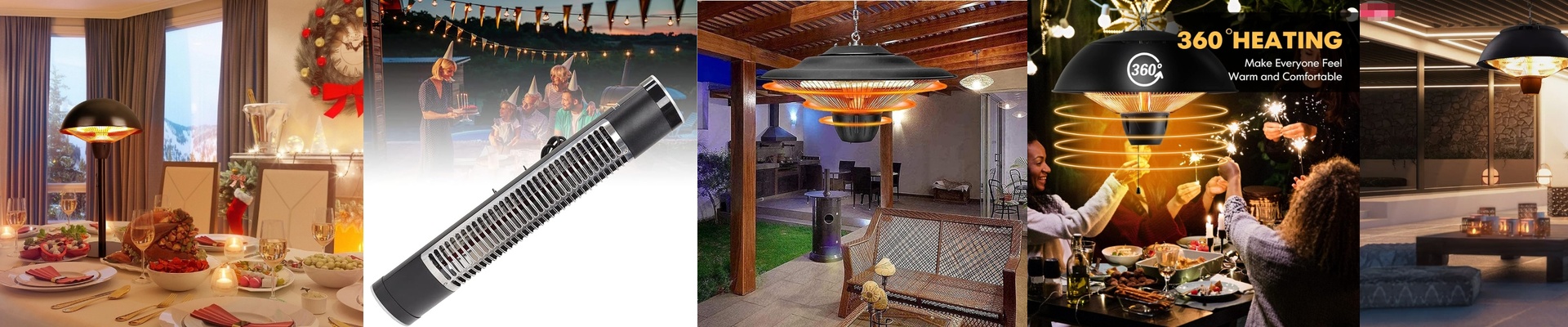
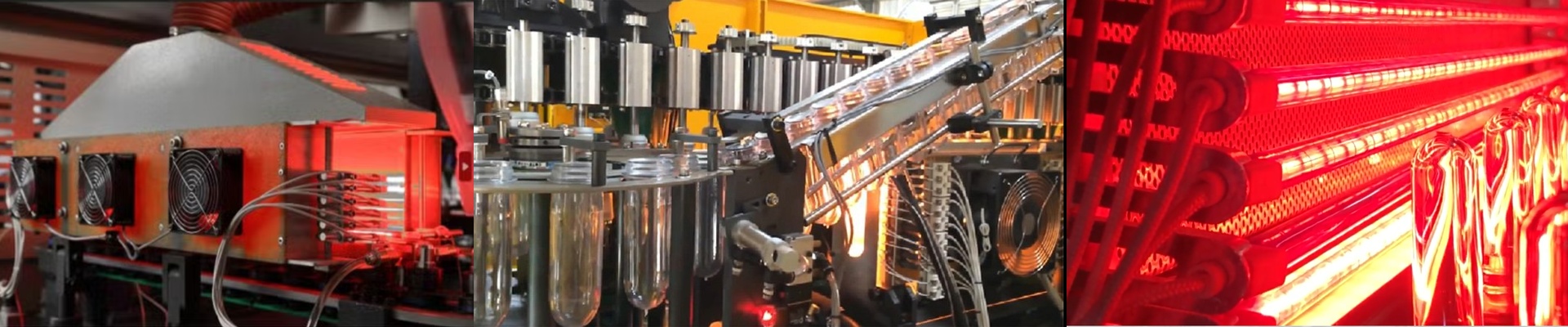
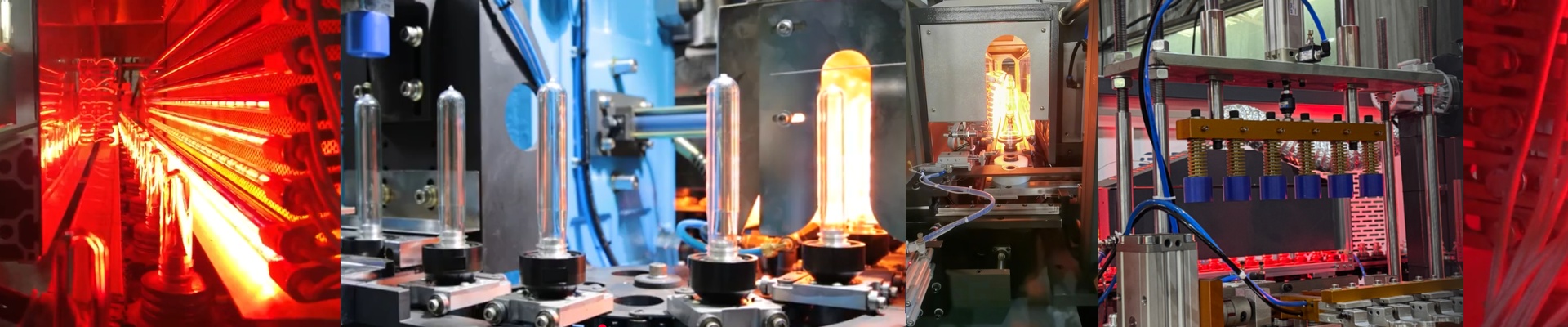


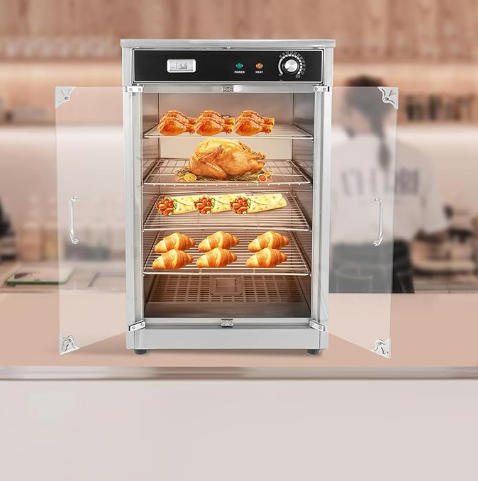
In a busy shop, the deck oven’s stone hearth doesn’t have time to wait around. When the rush hits, slow recovery and uneven temps will cost you crust, caramelization, and minutes. The single-tube black ceramic infrared heater brings a direct answer—energy aimed right where it needs to be, straight into the baking chamber. The heart of it is a black ceramic infrared tube, built to run hot and stay steady. It emits in the near-infrared band, hitting the product surface instead of wasting energy heating air. That translates to fast heat-up, quick recovery after the door opens, and stable surface temperatures that keep bread and pizza consistent. Typical setups run 120–240 V, with power matched to deck oven footprints, so you can spec a unit that fits your workload without overshooting. The ceramic body handles thermal shock better than glass-based emitters, and the single-tube layout keeps mounting and service straightforward. This is the kind of heat that earns its keep during a real service. In a deck oven, it holds the stone at the set point through back-to-back bakes, so crust sets clean and toppings finish even. In rotary ovens, it delivers uniform radiant input across the pans, cutting down top-to-bottom variance. In convection ovens, it can preheat fast or hold finishing temperatures, trimming idle time and energy use per bake cycle. You end up with shorter heat-up windows, tighter temperature control, and fewer under- or over-bakes. Installation is simple, but you need clear line-of-sight to the product and the right spacing to avoid hot spots. It also requires a dedicated circuit and a thermostat that can handle the load—check the oven’s wiring and clearance specs before you mount it. Keep the tube clean and dry, and inspect terminal connections regularly. Like any radiant element, it performs best when contacts are clean and voltage is stable.