Getting Heat Right in Wet Zones
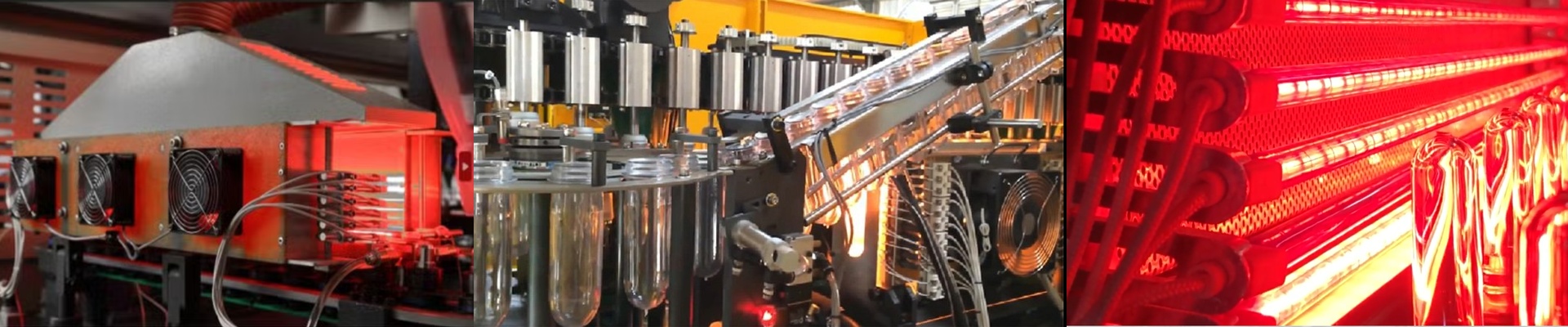
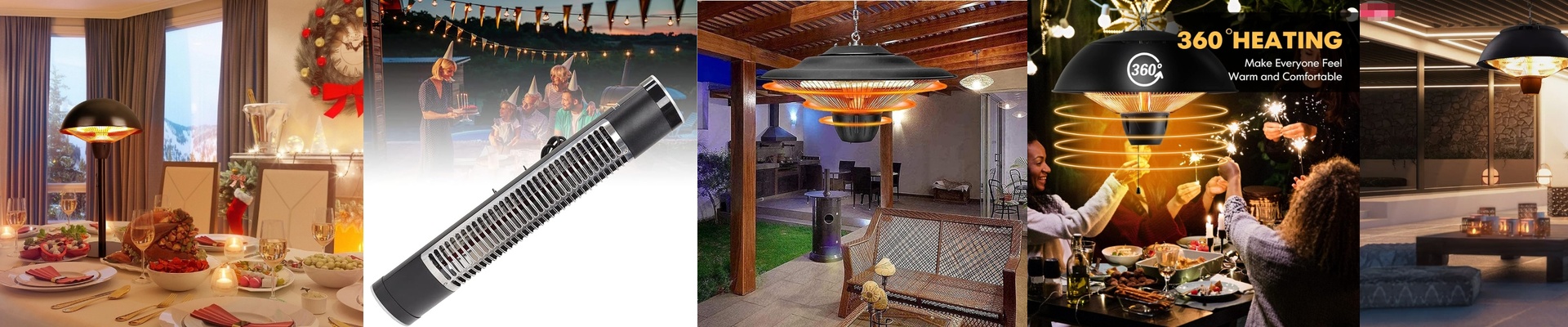
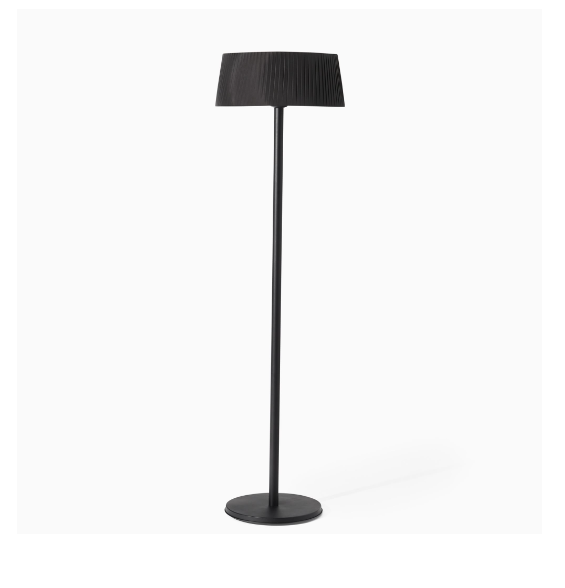
We built our waterproof infrared table heaters for one reason: people hate being cold in places where water is everywhere. If you’ve ever been in a spa or a changing room, you know the struggle. Trying to warm up a room full of humid air with a standard heater is like trying to dry a sponge with a hairdryer—it takes forever. We decided to stop fighting the air and just heat the person instead. Why it works instantly Inside these units is a quartz element that gets hot in a heartbeat. It doesn’t bother warming up the room. Instead, it sends out infrared waves that travel through the air and only turn into heat the moment they hit something solid—like your skin. It’s that “ah, finally” feeling the second you step into a cold changing area. We pack a lot of power into a small frame so you get that high-end, cozy warmth without needing a giant machine taking up all your floor space. Keeping the water out Humidity kills electronics. Simple as that. To stop these units from frying, we seal the housing and the electrical guts tight. We use tempered glass and special coated quartz tubes that don’t corrode when the air gets steamy. We even route the wiring through moisture-proof gaskets. This stops water from “creeping” along the wires and leaking into the terminal block. A few things to watch out for Here’s the catch: these lamps put out some serious heat. You have to get the mounting distance just right. If they’re too low, you’ll scorch the surface. Too high, and the warmth feels weak. It’s a bit of a balancing act. I always suggest adding a thermal cutoff switch. That way, if someone accidentally drapes a towel over the heater, the whole thing doesn’t overheat. Also, give it its own dedicated circuit. You don’t want voltage drops making your heat flicker or dip.