
Keeping Your Bathroom Heaters from Blowing Up
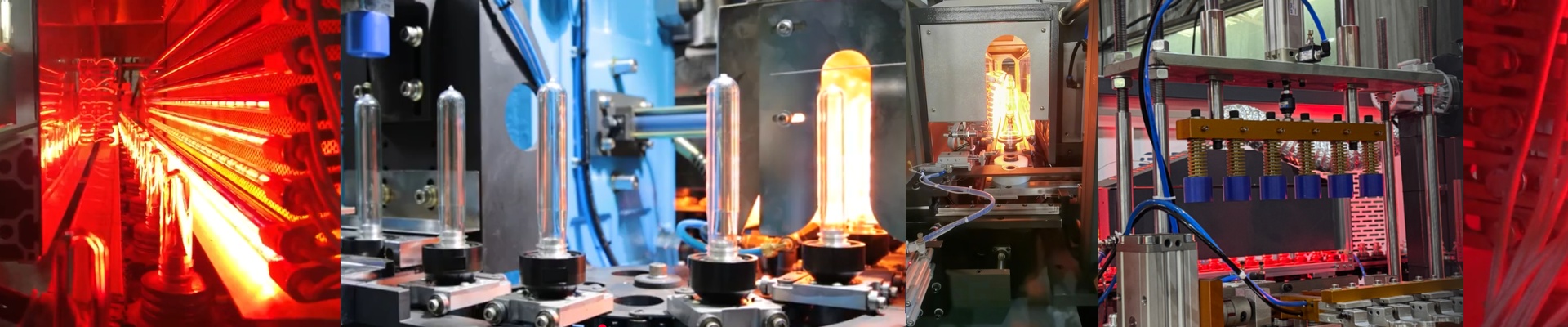
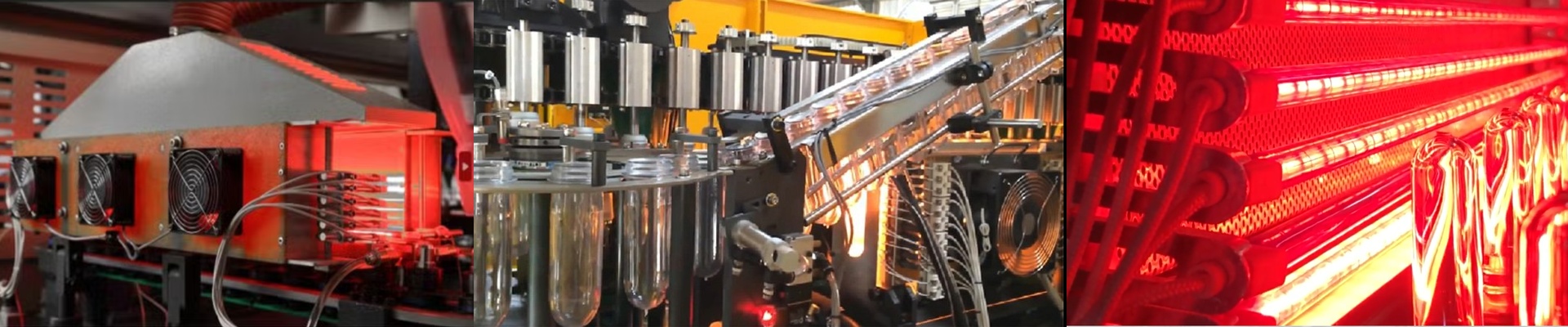
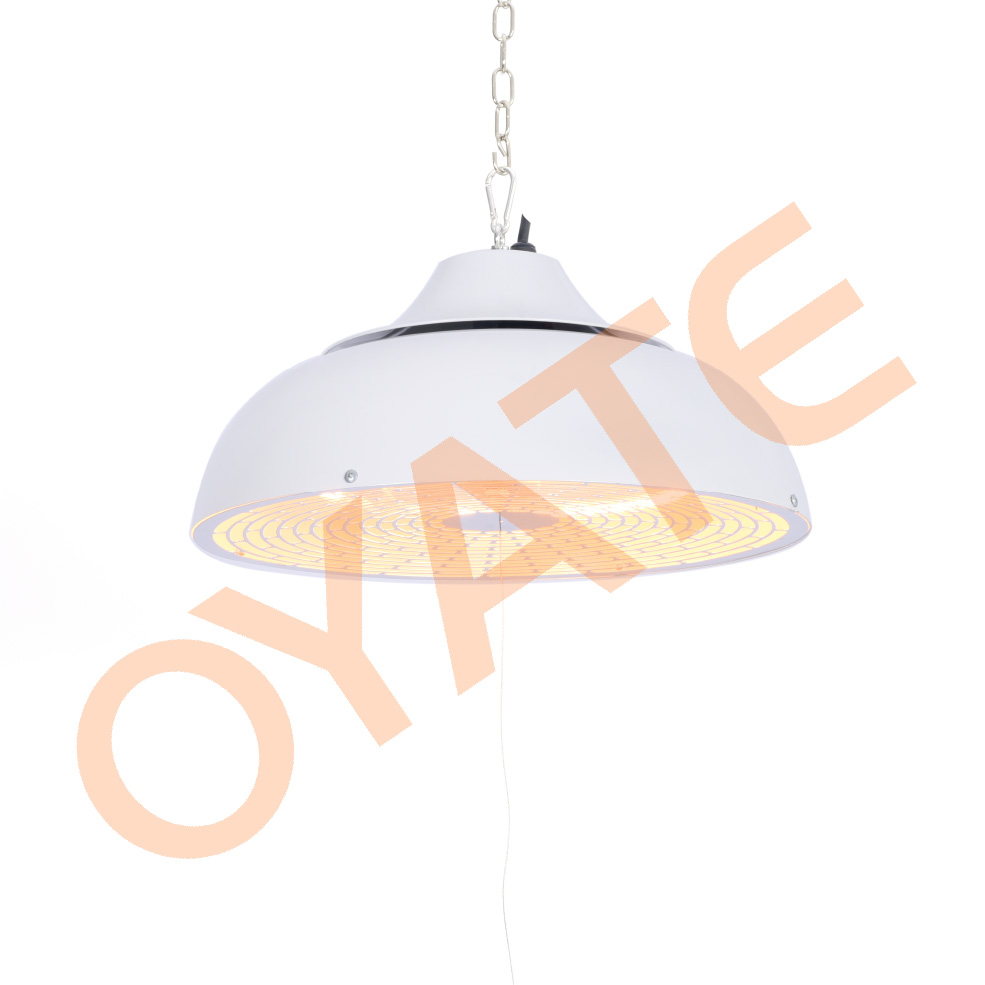
Let’s be honest: putting a high-heat infrared heater in a bathroom is a bit like playing with fire—literally. You’ve got a quartz tube glowing at several hundred degrees, and then someone splashes a bit of cold water on it. That’s where things get dicey. The glass shrinks instantly, and if it’s the cheap stuff, it just cracks. Not a great way to start your morning. That’s why we use “explosion-proof” quartz. Now, that sounds scary, but it’s actually the solution. We use a thicker, treated glass that can handle those sudden temperature swings without shattering. We also make sure the heating coil is dead-center. If it shifts even a little, you get these intense hot spots that wear down the glass over time. It’s all about balance. The nitty-gritty on the build Since these are recessed into the ceiling, the high-voltage parts stay tucked away from the steam. The quartz tube does the heavy lifting, sending out short-wave infrared heat. Instead of trying to warm up all the air in the room (which takes forever), it just warms your skin directly. It feels like stepping into a patch of sunlight. To keep things safe, we use high-temp seals. They act like a shield, stopping moisture from creeping into the electrical terminals where it doesn’t belong. One quick heads-up: check your wiring. These lamps pull a lot of power. If you use cheap insulation or a circuit that can’t handle the load, you’re going to trip your breakers—or worse, melt your wires. Getting it installed Most of these units just drop right into a standard ceiling grid. Easy. But here is the thing: these things get hot. You can’t just jam them flush against wood or other materials that might catch fire. You need a bit of a gap so the heat can breathe. And while the glass won’t shatter, the outer casing still gets warm to the touch. Just make sure your mounting brackets are tight. You don’t want the whole assembly sagging from your ceiling after a few months.