

Why Your Ceiling Heaters Keep Dying (and How We Fixed It)
Let’s be honest: factory ceilings are a nightmare. Between the thick dust, the humidity, and all those random particles floating around, it’s a brutal place for a heater to live. Most of the time, that junk settles right on the heating elements, creates a hotspot, and—pop—your tube is fried. We got tired of seeing that happen, so we rebuilt our infrared heaters to actually survive the real world.
Dealing with the Mess
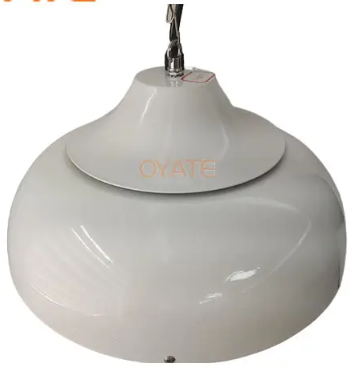
Here is the problem: when a tiny drop of water or a bit of oily mist hits a scorching hot quartz surface, the glass doesn’t just get wet. It goes through a thermal shock and cracks. Simple as that. To stop this, we wrapped the element in a splash-proof housing. It’s not just a plastic cover thrown on as an afterthought. We spent a lot of time figuring out the airflow so that moisture doesn’t just sit there pooling around the electrical terminals. Then there’s the fog. You know how it is—the heater cycles off, moisture settles on the lens, and when it kicks back on, that water evaporates instantly. It leaves behind these crusty mineral deposits that block the heat. We added an anti-fog treatment to the protective layers to break that surface tension. Now, the droplets just slide off. The result? You get a steady, consistent blast of heat across the whole floor, not just in a few random spots.
The Balancing Act
Now, you can’t just seal a heater in a vacuum-tight box. If you do, you’ll bake the internal wiring and fry your capacitors. So, we went with vented housings. They let the heat escape where it needs to, but they still block those vertical splashes from hitting the guts of the machine. One quick tip: make sure your ceiling mounts are tight. If the unit starts to tilt, the splash-proof design doesn’t work anymore. Keep it level, and you’re golden.
Less Time on a Ladder
At the end of the day, this is about your sanity. Most people are used to treating these heaters like disposable parts—replacing them every single season. We want to change that. By keeping the grit and moisture away from the element, the tubes actually last. It means you spend way less time balancing on a ladder in a cold warehouse and more time actually running your line.