
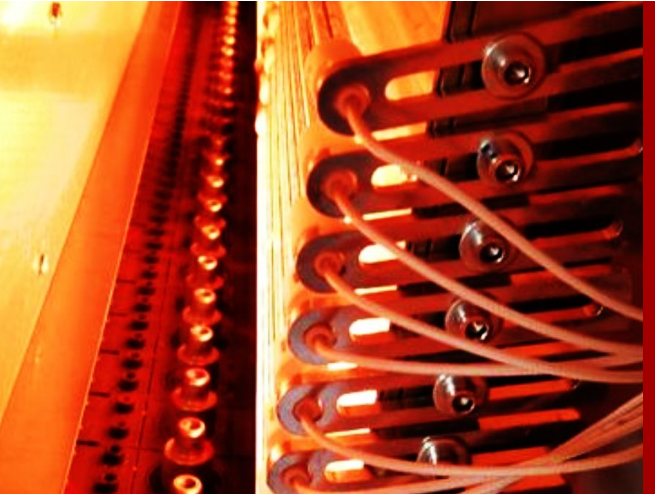
Getting Your SIPA Heating Back on Track
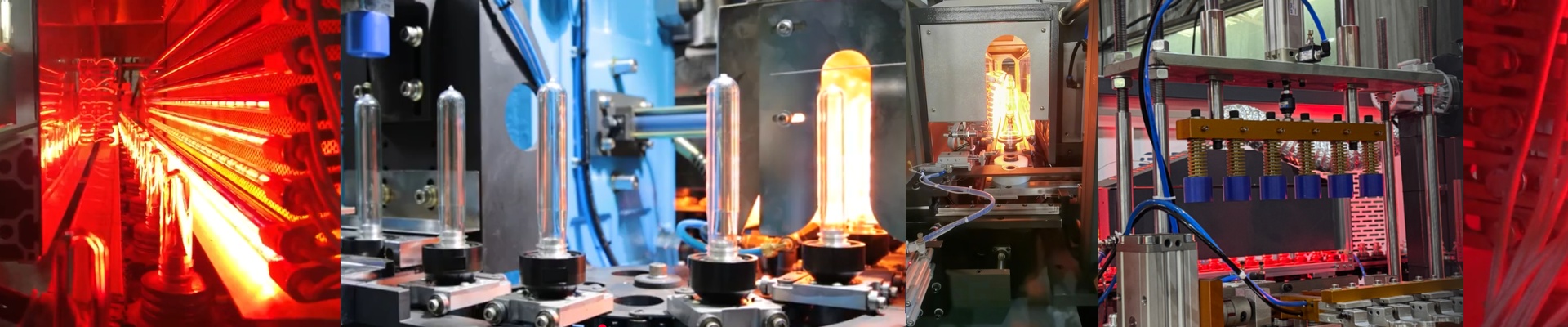
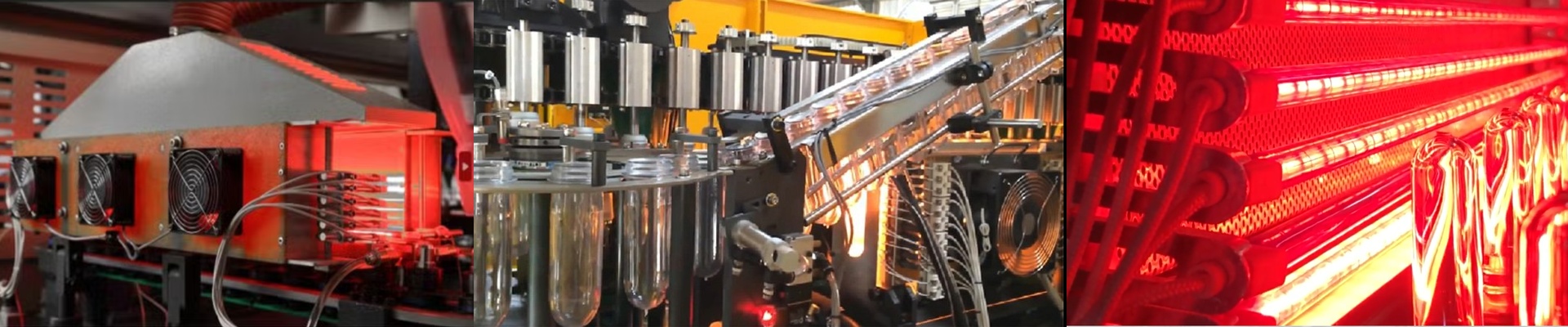
If you’re running a SIPA rotary machine, you know how frustrating it is when your bottles just aren’t coming out right. You see those weird pearlescent streaks or walls that are thick in one spot and thin in another, and you know something is off. Usually, it comes down to your IR lamps. Here’s the thing: if your replacement lamps aren’t an exact match for the original wattage and voltage, you’re asking for trouble. You end up with hot spots and cold zones that mess up the whole batch. The headache of “close enough” power We aim for 100% consistency because even a tiny 5% difference in wattage creates a thermal gap. It’s a vicious cycle. You notice a cold spot, so you crank up the overall heat to fix it. But then? You’re overheating the preforms in every other zone. We make sure our lamps hit the SIPA footprint exactly. No guessing. Just a steady, linear flow of heat across the mandrel. No rewiring, no fuss We use high-purity quartz glass because these things take a beating with constant heating and cooling. Depending on how old your machine is, we use R7s or Sk15 connectors. They’re simple drop-in replacements. You won’t have to mess with your control cabinet or tinker with the lamp holders. Plus, the shortwave radiation hits the PET resin faster, which means you can shave time off your cycle. A quick word of caution It’s tempting to go for higher power density to speed things up, but keep an eye on your cooling blowers. If you push more wattage through the tubes, your oven has to be able to shed that extra heat. If it can’t, you’re looking at warped reflector plates or fried sockets. Our lamps are built for the grind of 24/7 production. Just do me a favor: check your voltage regulators. Power spikes are the fastest way to kill a halogen tube, no matter who made it.