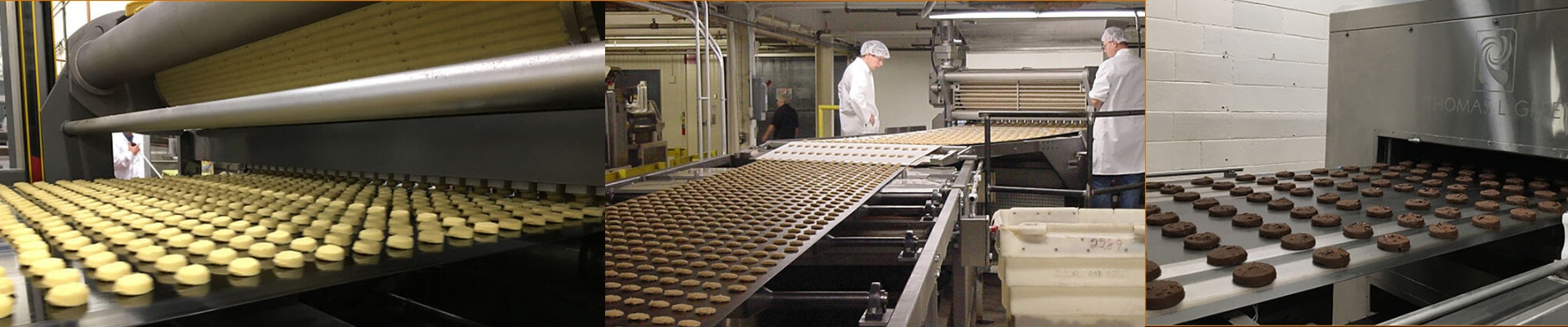
When service hits, the deck oven has to snap back fast. One slow recovery and the whole line pays for it—pizzas stall, bread overproofs, and the front counter backs up. We designed our deck oven IR heaters to cut that lag and keep the baking chamber steady, even when the tickets keep piling up.
What matters, under the hood
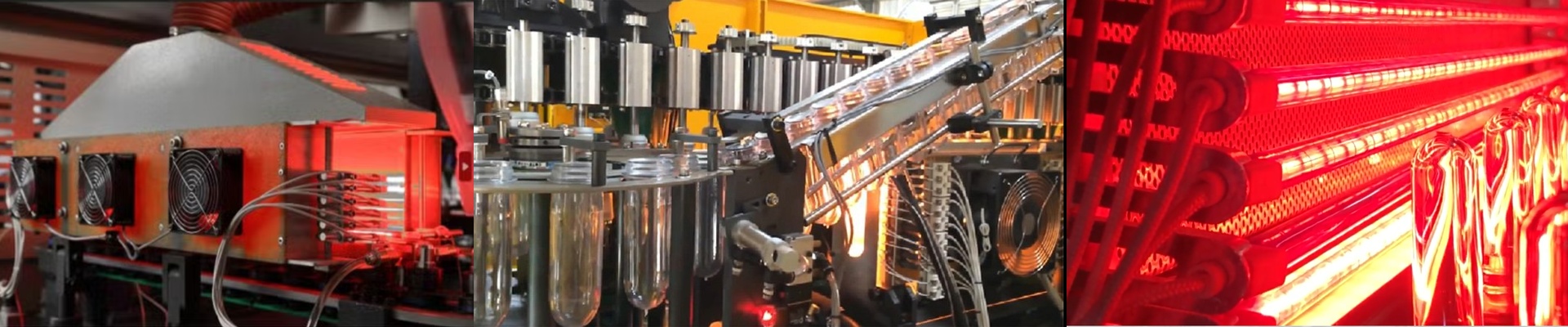
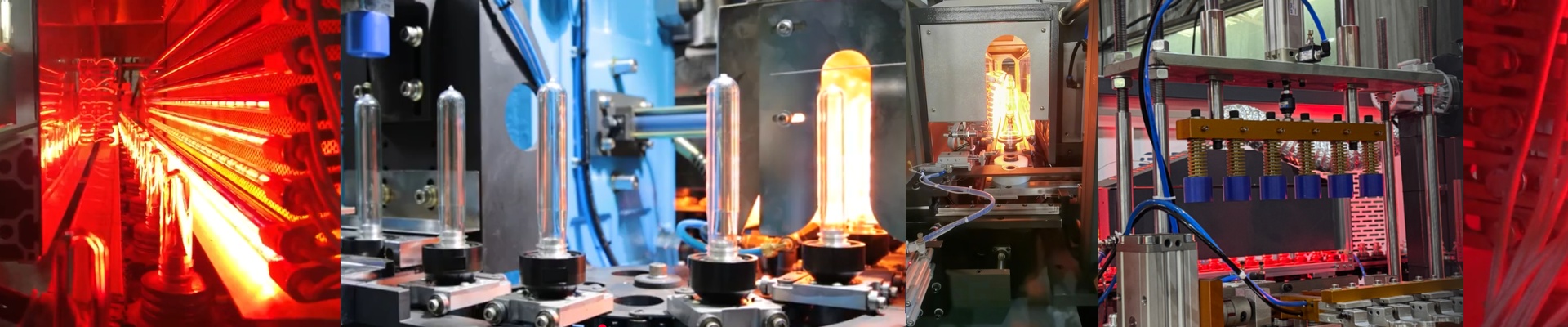
Our deck oven IR heaters lean on short-wave infrared emitters that throw heat right where you need it: straight onto the stone hearth and the product surface. The payoff is quick heat-up, fast recovery after loading, and tighter temperature control across the deck. Specs are built for commercial work: 240–480 V options, compact element profiles that fit tight chambers, and terminal housings that stand up to the rigors of a busy kitchen. The result is predictable heat—less guesswork, fewer hot spots, and timing you can count on from the first bake to the last.
Why this matters on the line
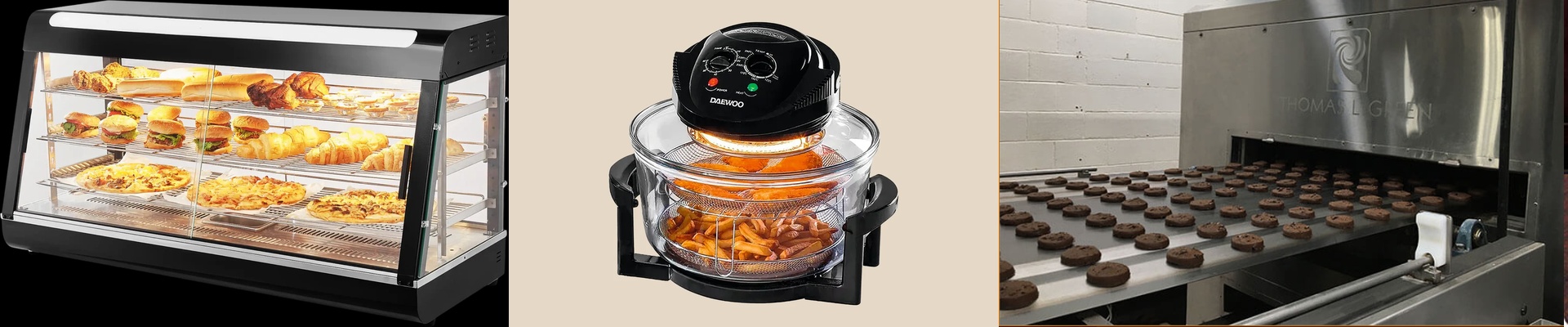
In a high-volume bakery or pizzeria, the deck oven is the bottleneck. Faster recovery shortens bake windows, so you can turn more trays without chasing the thermostat. Consistent surface heat gives you cleaner crust formation and better caramelization, while a shorter bake helps keep bread moist and pizza cheese melts clean. Energy use drops because the element comes up fast and the chamber doesn’t have to fight big temperature swings. Fewer swings also mean fewer reworks, less giveaway, and a calmer service window.
The details that keep it honest
IR heat is intense, and it performs when it’s matched to the deck material and oven geometry. Clearance and airflow around the heater matter—run the housing too hot and you shorten its life. Installation is straightforward on most deck ovens, but confirm voltage, phase, and mounting dimensions before you order. Plan for a clean, dry power feed, and keep the element out of the line of grease and cleaning spray. Set it up right, and the payoff is simple: more output, steadier quality, and a lower cost per bake.