



Thinking About the Five-Year Itch in Pergola Heating
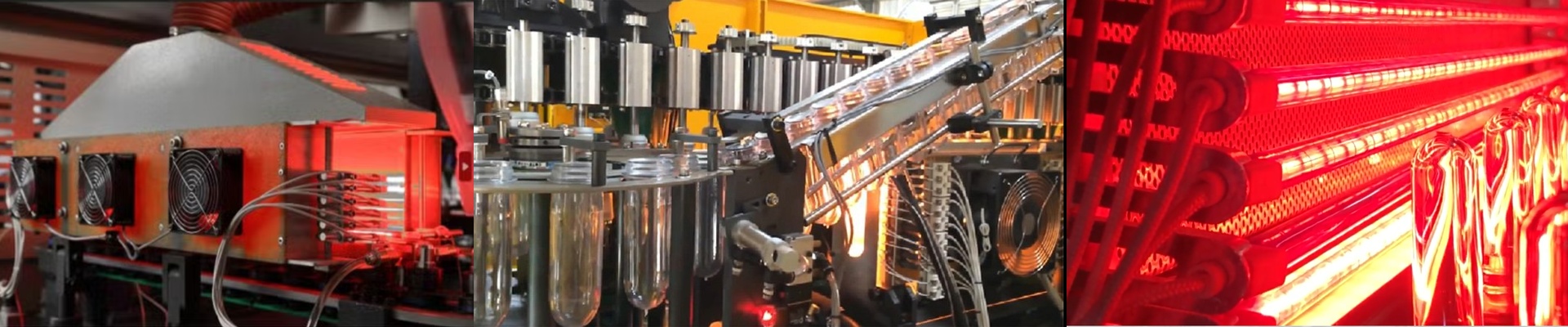
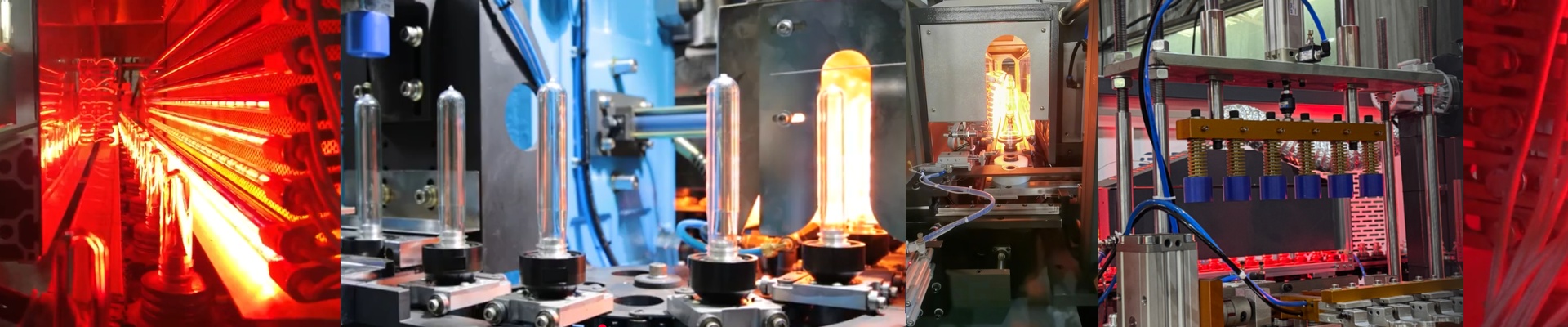
Outdoor infrared heaters have a rough life. They’re out there in the rain, the humidity, and those brutal temperature swings that make materials shrink and grow. When we’re picking out waterproof heaters for a pergola, we look past the fancy IP ratings on the box. We’re thinking about five years from now. Because that’s usually when a heating element finally gives up the ghost. The nightmare of the “all-in-one” unit Most heaters on the market are built like a sealed box. If one single tube burns out, you’re basically stuck ripping the entire unit out of the ceiling. It’s a pain. We do things differently. We use a modular setup where the heating elements live in their own little cassettes. If a tube goes bad, you just slide it out and drop a new one in. No rewiring the whole chassis, no spending half a day on a ladder. It turns a huge headache into a five-minute fix. Fighting the weather (and physics) Here’s the thing about waterproof seals: they hate heat. When a heater warms up and cools down, the materials expand. That’s how gaps form, and that’s how water sneaks in to fry your electrical terminals. To stop that, we use high-temp silicone gaskets and alloys that don’t warp when things get hot. You get a system that keeps the rain out but still lets you get inside to swap parts when you need to. The honest trade-off Now, I’ll be straight with you. You could buy a fully welded, hermetically sealed unit. Sure, it’s “more” waterproof. But it’s also a disposable product. The second a tube fails, the whole thing is scrap metal. Our modular way has a few more seams. That means you actually have to check the gaskets during your yearly tune-up. It takes a bit more effort on the maintenance side, but it’s the difference between a heater that lasts five years and one that lasts decades. Keeping it simple in the field You shouldn’t need a laboratory or a degree in electrical engineering to fix a heater. A basic toolkit is all you need to get into these modular bays. We made the connectors intuitive, too. That way, the person installing them doesn’t have to guess which wire goes where. It keeps the heat steady across the whole pergola, so you don’t end up with one freezing cold corner and one spot that feels like a sauna.