
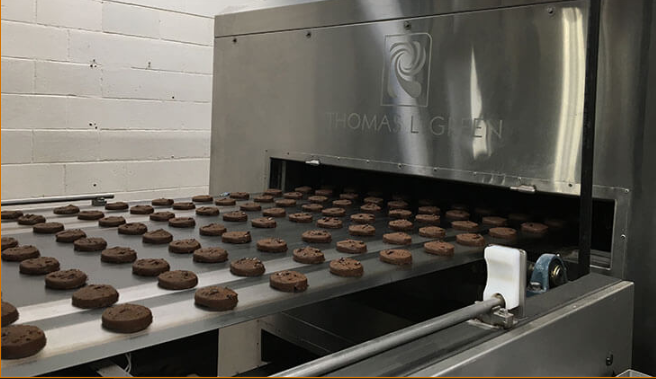
How to actually speed up your pizza line with IR emitters
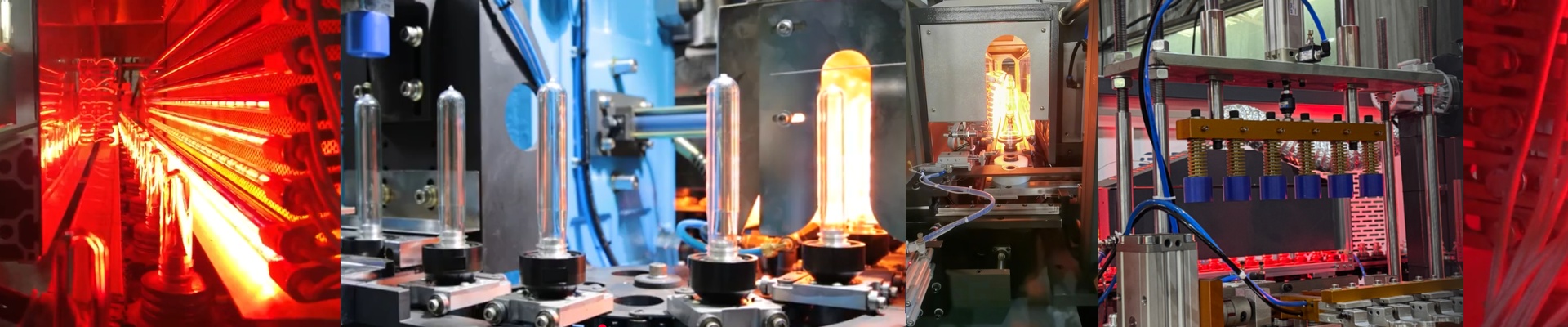
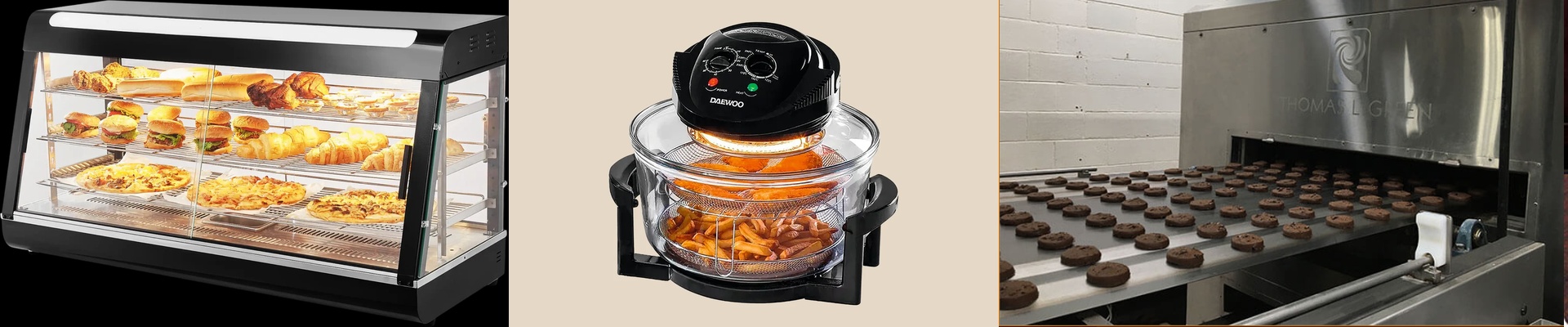
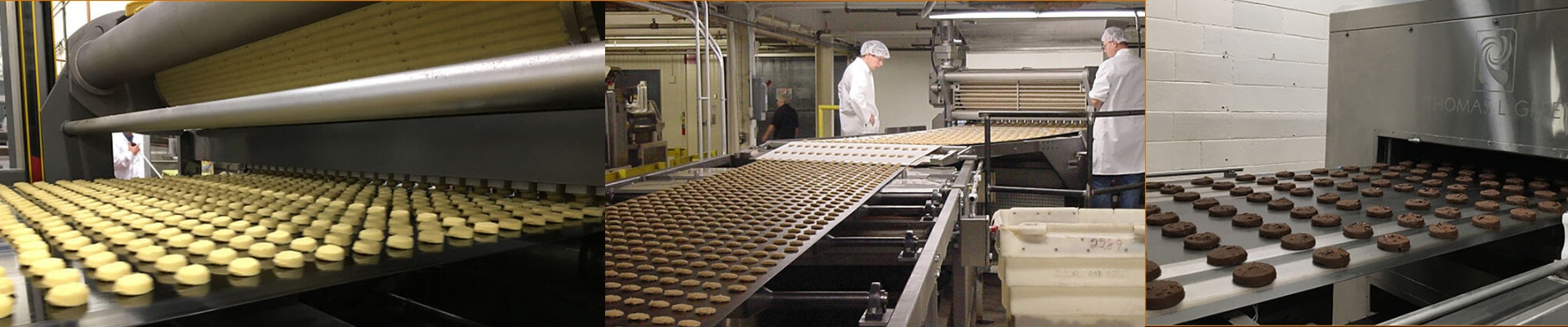
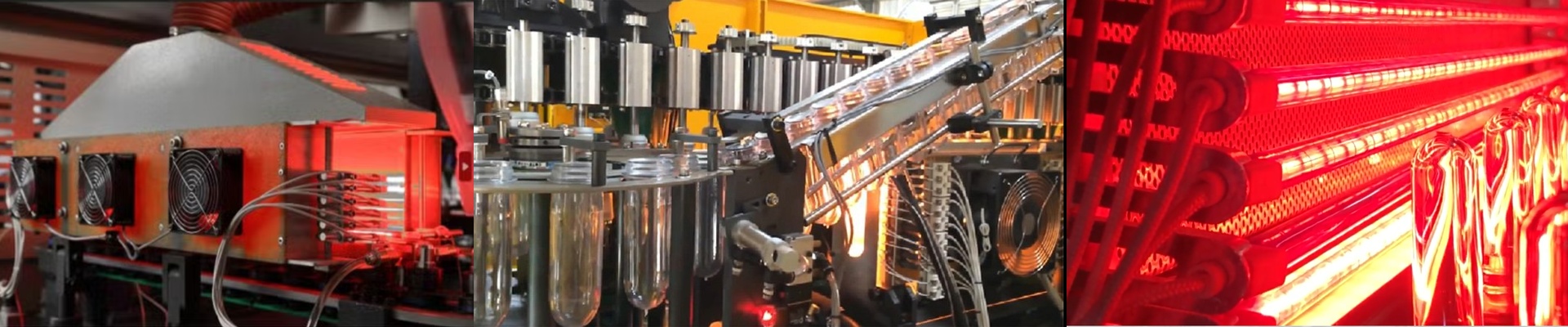
If you’re trying to push more pizzas through your conveyor every minute, you’ll quickly find that relying on hot air just doesn’t cut it. Air is slow. It lingers. That’s why we use shortwave infrared (IR) emitters. Instead of waiting for the air to warm up, these hit the dough and toppings with direct radiant energy. It’s an immediate punch of heat. Getting the heat where it belongs To really shave time off your cycle, we look for emitters with a high wattage-to-length ratio. Basically, we cram more power into a shorter quartz tube. This creates a massive amount of heat flux. It means you can sear the top of a pizza in seconds. If you swap out your standard heating elements for these high-density IR tubes, you can either shrink the size of your oven or just crank up the belt speed and watch the pizzas fly. The nuts and bolts We build these things with high-purity quartz. For pizza lines, we usually go with halogen-filled tubes because they keep the temperature steady. We also stick to standard R7s or Sk15 connectors. Why? Because when a lamp goes, you want to swap it out in seconds, not spend your afternoon rewiring the whole rack. And please, don’t skimp on the housing. It has to be stainless steel. Between the blistering heat and the grease dripping off the cheese, anything else will just rot away. We seat the emitter in a reflective stainless cradle, too, which bounces any wasted heat right back down onto the pizza. The trade-offs Now, here’s the catch. High-wattage lamps are powerful, but they’re hungry. They put a real load on your power supply, so you’ve got to make sure your controllers can handle those rapid switching cycles. Plus, because the energy is so concentrated, it’s easy to accidentally torch your crust if the belt speed is off by even a hair. You’ll want a precise PID controller to keep things from spiking. It’s a balancing act, but when it’s dialed in, it’s a beast of a system.