
Getting Your Pizza Oven Temperature Just Right
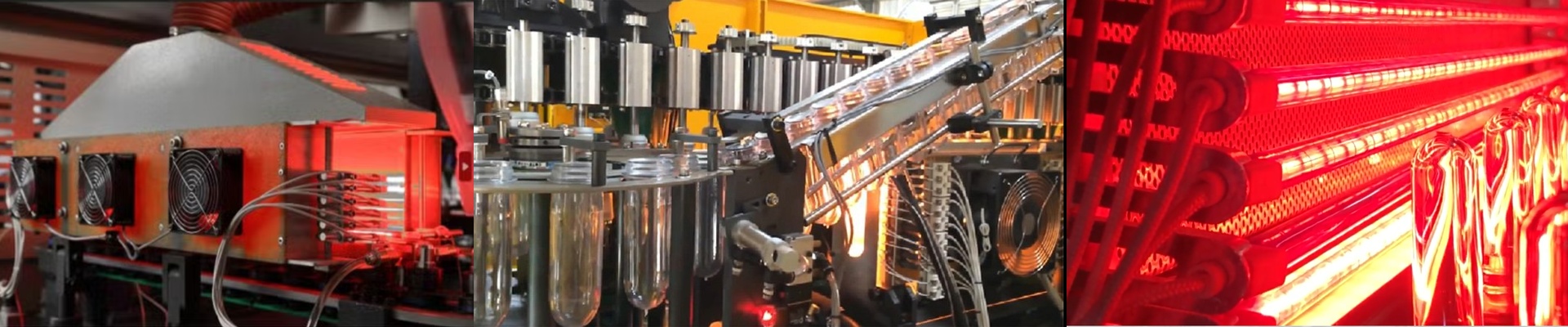
We make halogen quartz tubes for the kind of heat that doesn’t mess around. When you’re running a commercial pizza oven, you’re chasing that perfect balance: a crust that sears instantly on the surface, but stays airy and moist inside. To get that, you need shortwave infrared radiation and a control system that actually stays where you set it.
Why we use Halogen Quartz
Quartz glass is great because it doesn’t crack when you blast it with heat and then kill the power. But the real secret is the halogen gas mix we pump inside. Here’s the thing: without that gas, the tungsten filament evaporates way too fast. Your lamp dies early, and your heat starts to dip. By adding the halogen, we keep the filament thick and the wattage steady. It just lasts longer.
Dialing in the heat
We’ve been crunching the numbers, and our latest tests show we’re hitting the same tight temperature tolerances as the big-name international brands. We get there by being obsessive about the quartz purity and how exactly the filament is wound. But a word of warning on the PID tuning. These tubes hit full power almost the second you flip the switch. If your controller isn’t tuned right, you’re going to overshoot your target temperature. That’s how you end up with burnt crusts. I’d suggest a fast sampling rate to keep things under control.
Making it work in the real world
We designed these to be drop-in replacements. If you’ve already got an OEM setup, these should slide right in. We use standard connectors, so you won’t be spending your afternoon fighting with the wiring. One last tip: watch your hardware. High-wattage tubes put a lot of stress on your sockets. If you put a powerhouse tube into a cheap housing, those terminals will oxidize and eventually burn out. Also, make sure your ventilation is actually working. If the ambient heat lingers around your electronics, your sensors will start lying to you, and you’ll be guessing at your temperatures.