Heat is where the service begins. When the rush hits, a deck oven that’s still climbing from cold is money left on the table. Preheat lag pushes prep around, stalls ticket times, and turns the bake uneven—killing crust and flavor.
What actually matters under the hood
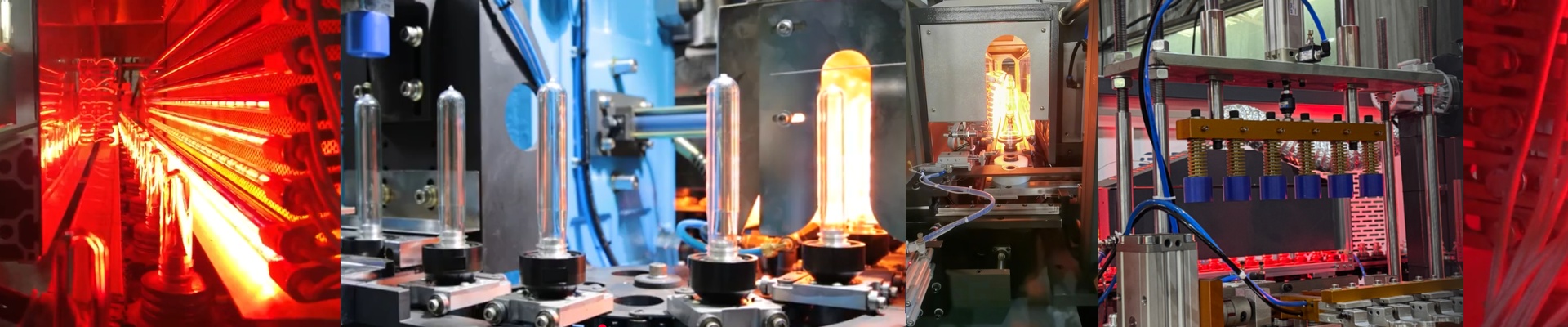
We spec wholesale oven heating systems around high-response quartz-halogen elements, paired with PID control. The quartz-halogen output throws fast infrared energy, so the baking chamber hits setpoint quickly—often 50–60% faster than conventional radiant elements. The PID controller keeps temperature within ±2°F, which cuts the swings that cause spotting, scorching, or under-bake. In practice, that means stone hearth temperature stays consistent from the first pizza to the last, and the air temperature in convection and rotary ovens stays steady.
Why this matters in a busy kitchen
Minutes are the currency in a high-volume shop. Faster preheat gets your first bake started sooner, tightens prep, and keeps the line moving. Tighter temperature control makes results repeatable: the crust sets clean, cheese melts evenly, and caramelization develops predictably. Because the system comes up fast and holds steady, idle time drops, energy use per bake cycle falls, and wear on oven components eases. On rotary ovens, the cavity stabilizes quickly, so trays bake evenly across the full load.
The details you need to get it right
These systems are built for commercial ovens, but compatibility comes down to voltage, phase, and the oven’s control interface. Most units are 208–240V, single- or three-phase, and they need a dedicated circuit with the right connector for your kitchen layout. Retrofits are straightforward, but we always confirm the oven’s thermostat range and terminal layout before we spec anything. Plan for proper clearance and airflow—even efficient heating needs air to keep components cool and stable.