Why Your Bathroom heater Keeps Dying (and How to Fix It)
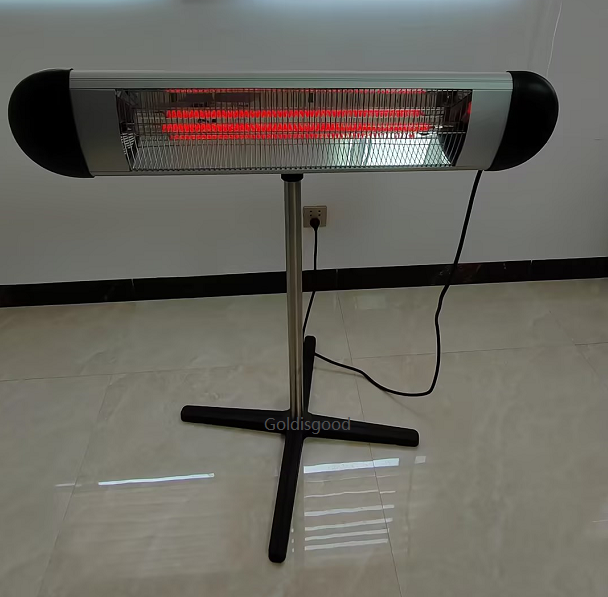
Ever notice how those old-school “heat lamp” style heaters in the bathroom always seem to quit right when you need them? It’s because they aren’t actually built for the steam and splashes of a real shower. That’s why we’ve been moving toward IP65 infrared heaters. They don’t just try to warm up the air in the room. Instead, they send heat directly to your skin and the surfaces around you. It’s a different feeling entirely.
Dealing with the Damp
Bathrooms are brutal on electronics. Between the steam and the occasional splash, a basic heater is basically begging to short out or rust away in a couple of years. When you see “IP65,” it just means the unit is sealed tight. Dust can’t get in, and water jets can’t penetrate the housing. We make sure the wiring and the heating elements are tucked away safely so moisture never touches the electrical contacts. No more worrying about your heater burning out just because you took a long, steamy shower.
The Magic of Infrared
Here is the thing about traditional heaters: they warm the air. But hot air rises. So, while your ceiling is toasty, your toes are still freezing. Infrared is different. It sends out waves of energy that travel through the air without heating it up. The moment those waves hit you, they turn into heat. It’s instant. You don’t have to turn the heater on 20 minutes before you get out of the shower and hope for the best. You just step out and feel the warmth immediately.
A Few Things to Keep in Mind
If you’re thinking about switching, you’ll need to check your electrical setup. These units pull more power than a simple light bulb. You don’t want to be constantly tripping your breakers, so make sure your wiring can handle the wattage—especially if you’re working with an older home. Also, these aren’t as tiny as old bulbs. They take up a bit more space. You’ll want to be smart about where you mount them. If they’re too low, you’ll get “hot spots” that feel a bit too intense. Give them some breathing room so the heat spreads evenly across the floor.