Fixing those annoying “cold edges” in your industrial bread ovens
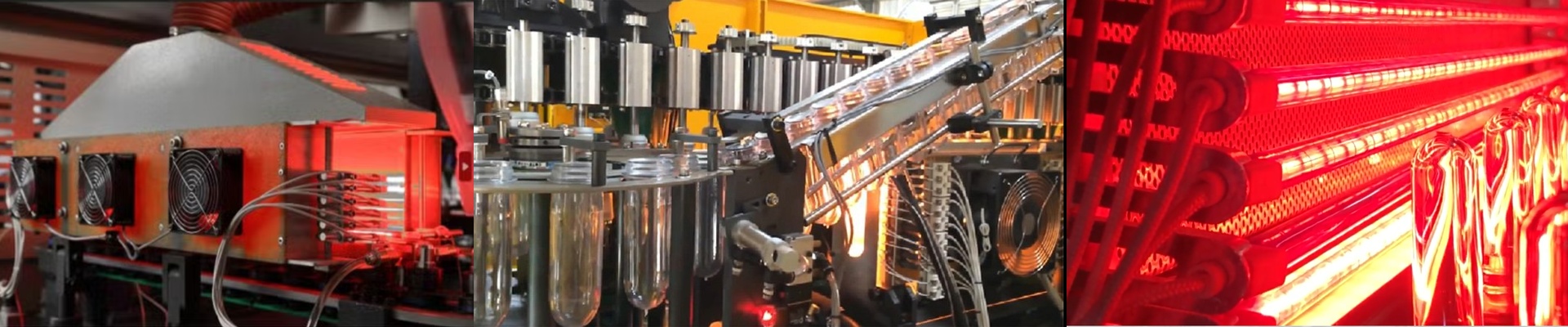
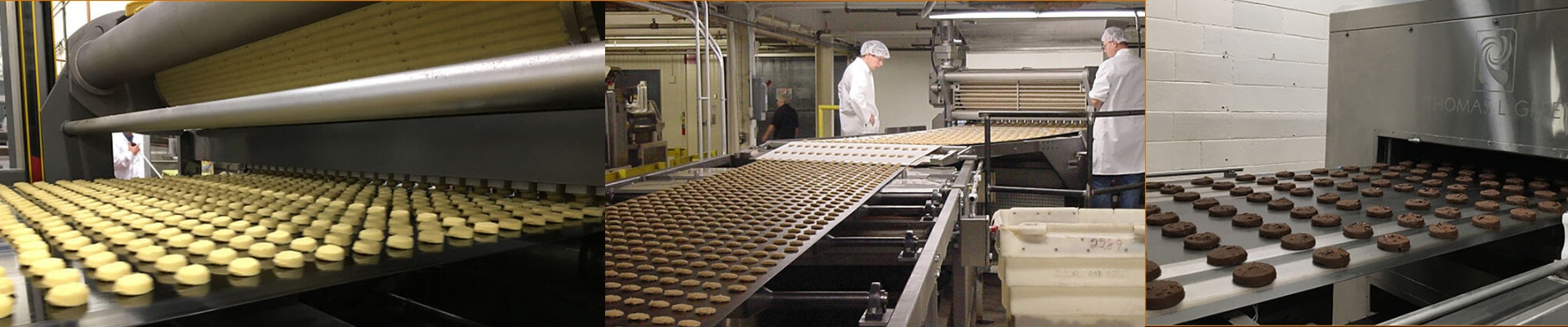
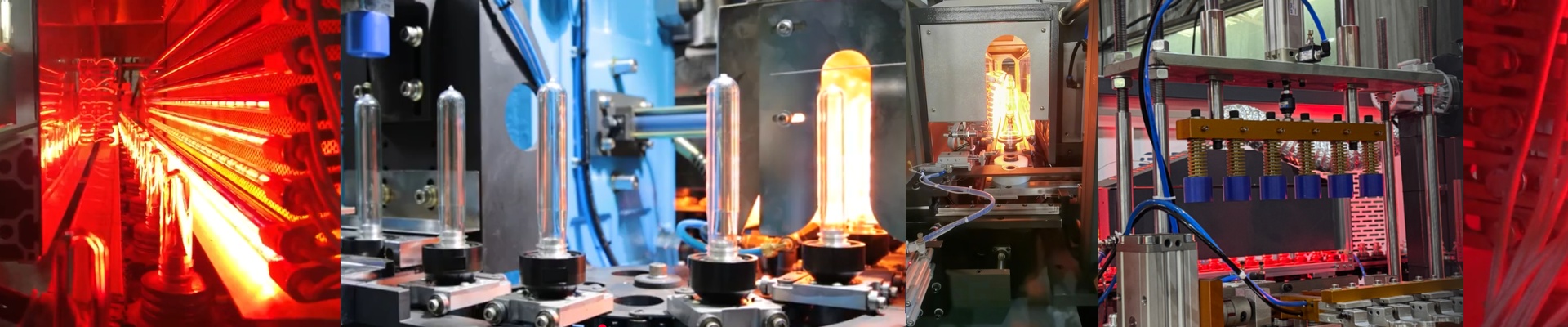
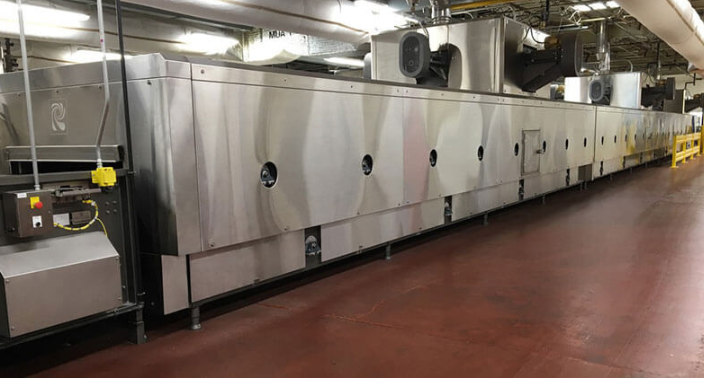
If you’ve spent any time with large-scale bread ovens, you know the struggle. You pull out a tray and the middle looks perfect, but the edges? They’re pale. Inconsistent. Just… off. It happens because heat naturally leaks out at the edges of the oven. It’s a pain, and it makes your bake cycles a guessing game. We’ve found a way to fix this using 300W shortwave infrared lamps. How it actually works Most ovens rely on moving air to get the job done. But air is lazy—it doesn’t always reach those far corners of a heavy oven. That’s where the shortwave lamps come in. Instead of trying to warm up the air first, these lamps shoot energy straight into the dough. It’s like a heat curtain. By placing them around the perimeter, you basically cancel out the “chill” coming from the oven walls. The gear We use high-purity quartz glass and a halogen cycle for these. Why? Because constant cycling usually kills filaments. The halogen refill keeps them running longer so you aren’t swapping bulbs every other week. The best part is that they’re pretty simple to install. They can usually just drop right into your existing circuits. We settled on 300W for a reason. It’s the “Goldilocks” zone. It’s enough power to bridge the temperature gap, but not so much that you’re scorching the crust or blowing a fuse. Go any higher, and you’ll start seeing burnt hot spots on your loaves. Nobody wants that. Getting the setup right You can’t just toss these in and hope for the best. You have to angle them so the radiation patterns overlap. If you leave gaps, you’ll just have a different kind of inconsistency. One quick heads-up: shortwave lamps get hot. Fast. Just make sure your oven’s outer casing can handle that kind of localized heat so you don’t end up warping the metal. When you get the positioning right, the edges of your bread look exactly like the center. It’s the same quality you’d expect from those high-end European ovens, without the nightmare of a full replacement.