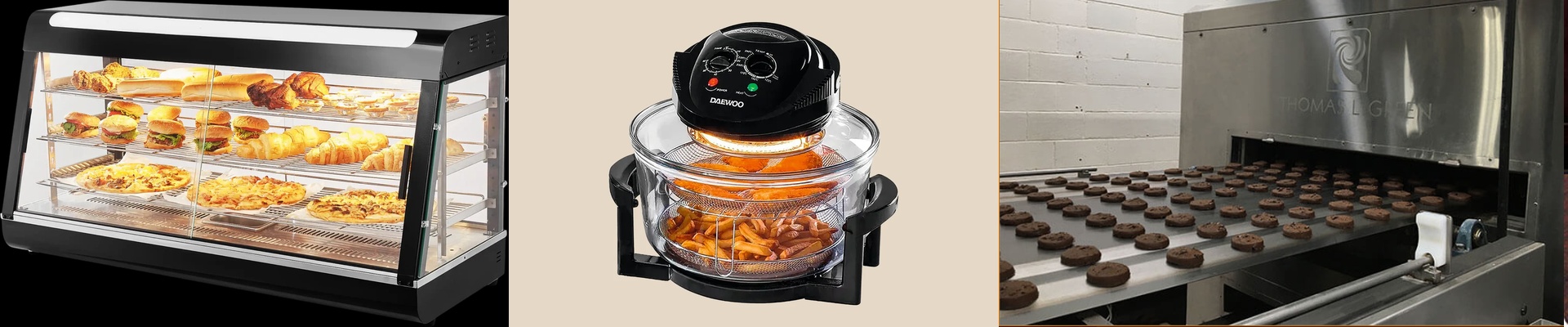
Getting the Heat Right in Convection Baking
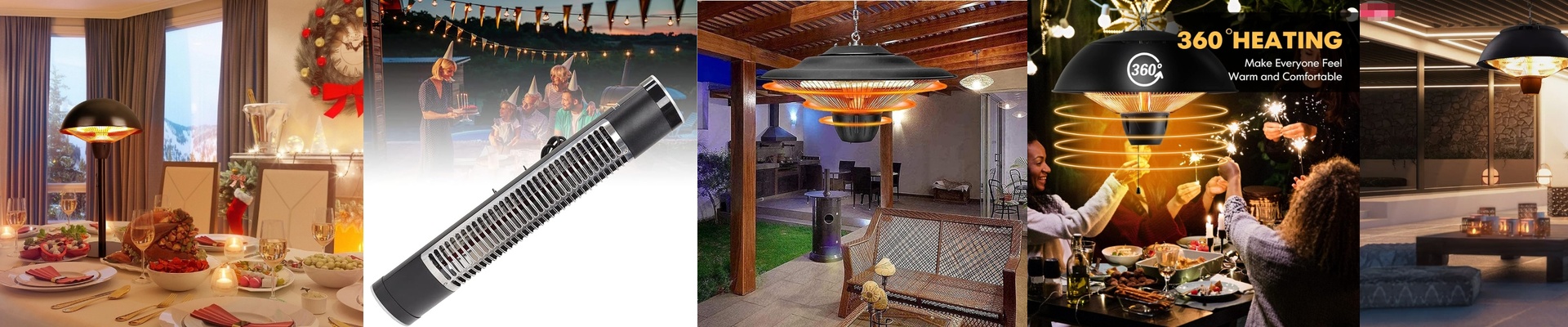
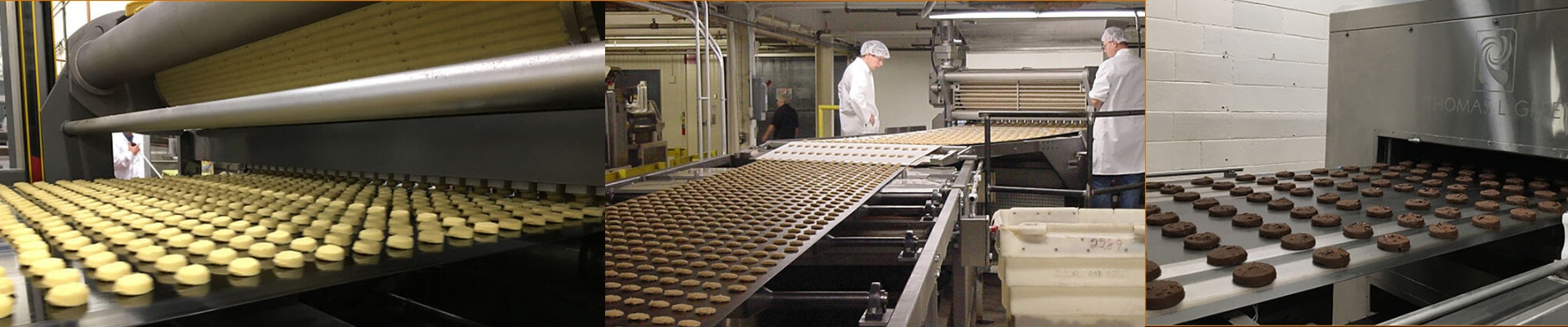
Ever notice how a standard convection oven can leave your food feeling like a desert on the outside while the middle is still practically raw? It’s a frustrating cycle. You’re fighting the air, and usually, the air wins by drying everything out before the core ever gets hot. We found a better way. We started tucking infrared (IR) heating lamps right into the airflow. Think of it this way: the fans handle the hot air, but the IR lamps do the heavy lifting by sending radiant energy straight into the food. It’s faster, and it actually penetrates the surface.
Air vs. Radiation
Here is the thing about convection: it relies on a thin layer of air hugging your food. If that air is too dry or the fans are cranking too hard, you just strip the moisture right out of the product. IR lamps skip that struggle. They use electromagnetic waves—specifically short-wave or medium-wave quartz tubes—that target the water and fats inside the food. You get to that perfect internal temperature without turning the outside into a cracker.
Picking Your Gear
You have to be careful with your wattage and tube length. If you cram a high-wattage lamp into a short tube, you get these brutal “hot spots” that will scorch your food in seconds. We stick with quartz glass because it lets the IR radiation through without blocking the heat. And if you’re wiring this into a PLC system, make sure your SCR can keep up with the fast switching. You need precise temperature control. If you can’t cycle the heat quickly, you’re right back to that “dry-out” problem we’re trying to avoid.
The Catch (and the Upkeep)
Look, radiant lamps aren’t a magic wand. They pull a lot of power and they make the inside of the oven cabinet seriously hot. If you don’t spec your cooling fans to handle that heat soak, you’re going to fry your control boards. Not a fun day at the office. Also, quartz tubes are fragile. They hate thermal shock. If you spray them with water or harsh chemicals while they’re still hot, they’ll crack. Plus, you’ve got to stay on top of cleaning. Carbon builds up on the glass, which blocks the energy. Then the lamp has to run even hotter to do its job, which just shortens its life. Keep them clean, and they’ll take care of you.