
Stop Dealing With Cold Edges in Your Rotary Ovens
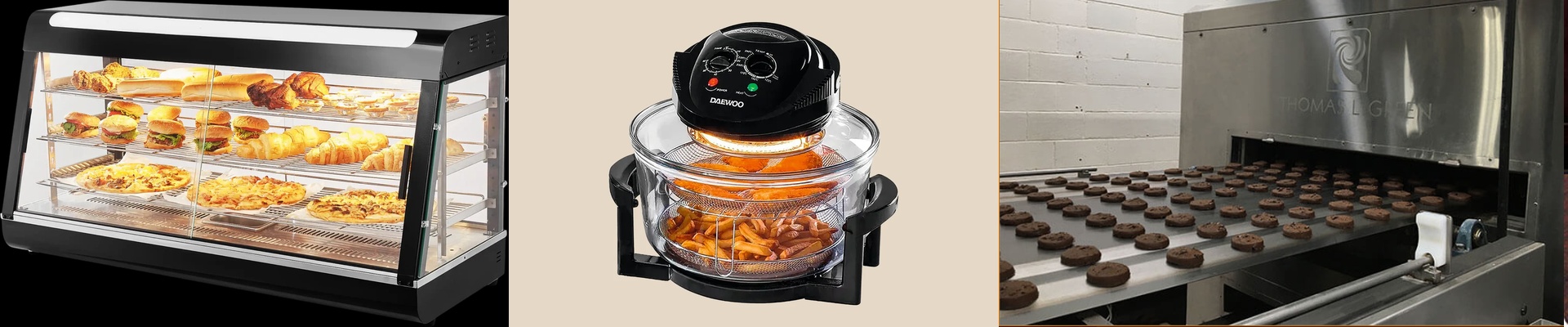
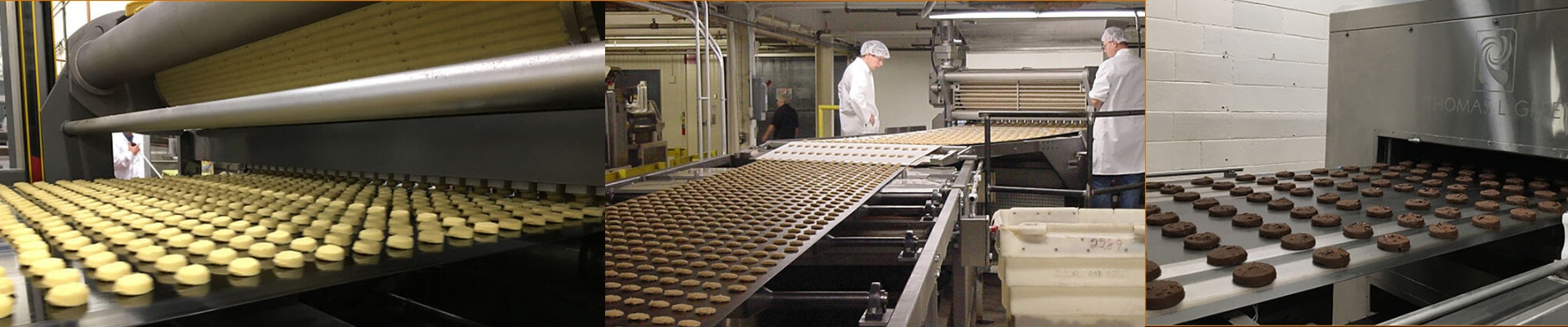
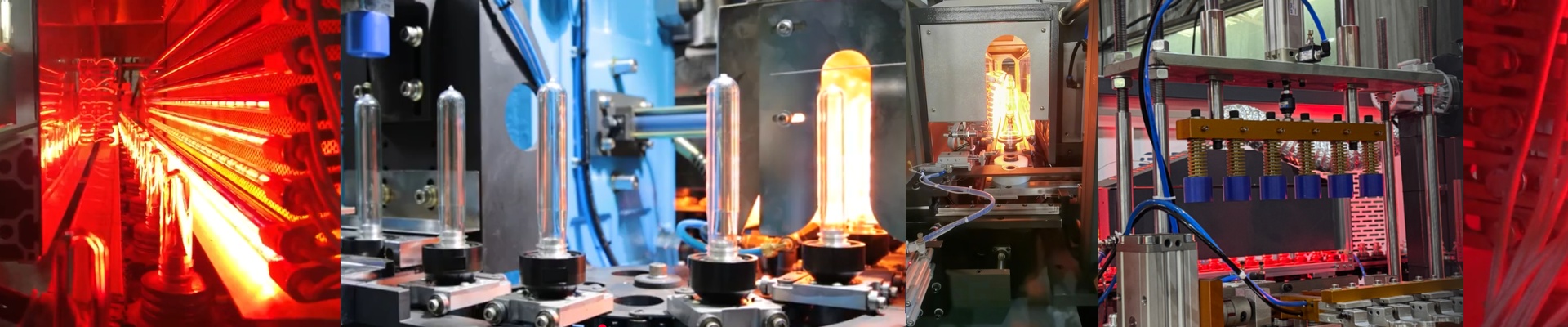
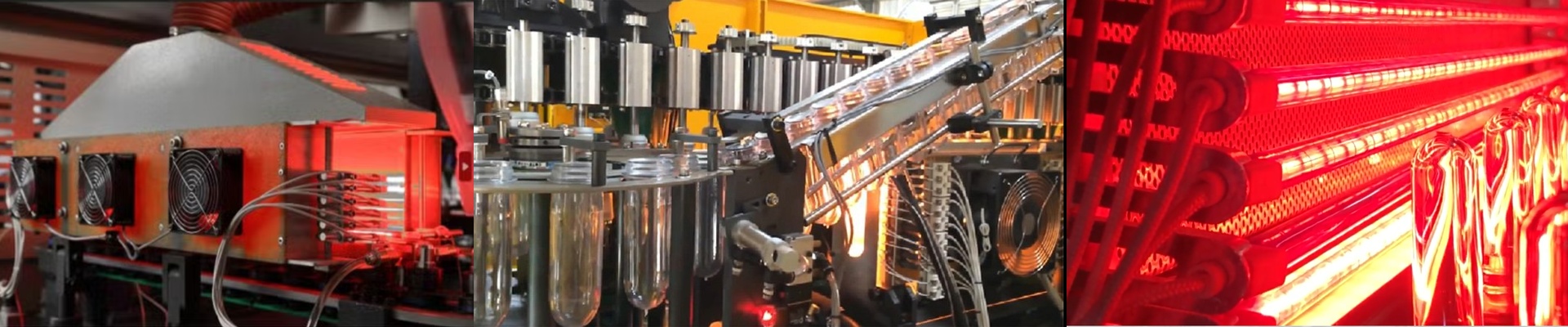
If you’ve spent any real time with a large rotary oven, you know the frustration of the “edge effect.” You pull out a rack and the center looks perfect, but the stuff on the outer tracks? Under-baked. Pale. Just not right. It happens because heat loves to leak out of the edges of the oven. We fixed this by adding shortwave infrared (IR) heaters right where the heat loss is worst: the perimeter. How it actually works Most ovens just move hot air around. But in a massive chamber, that air doesn’t always go where it’s supposed to. Our IR lamps don’t bother with the air. They send heat straight into the product. By placing these along the edges, we basically build a “heat shield” that makes up for the warmth escaping through the oven walls. The gear under the hood We use quartz glass tubes filled with halogen gas. Why? Because it lets the filaments get incredibly hot without burning out. Depending on how big your oven is, we tweak the wattage so the edges stay exactly as hot as the core. Plus, these aren’t some delicate pieces of tech. We use reinforced connectors so they don’t rattle loose while the oven is spinning. And they’re fast. Like, really fast. They hit temperature in seconds, which means when you open the door and a blast of cold air hits the oven, the IR elements jump back in to save the day before your temperature drops. The real-world stuff you need to know The big win here is consistency. You stop worrying about which tray is where because the temperature is steady across the whole rack. But, there are two things to keep in mind. First, check your power. These IR zones pull a decent amount of current. If you’re putting this into an old oven, make sure your breakers can handle the extra load. Second, spacing is everything. This is intense, direct heat. If the lamps are too close to your bread, you’ll scorch the crust before the middle is even warm. We’ll help you get the spacing right, but it’s a step you can’t skip.