Stop Guessing Your Oven Temp
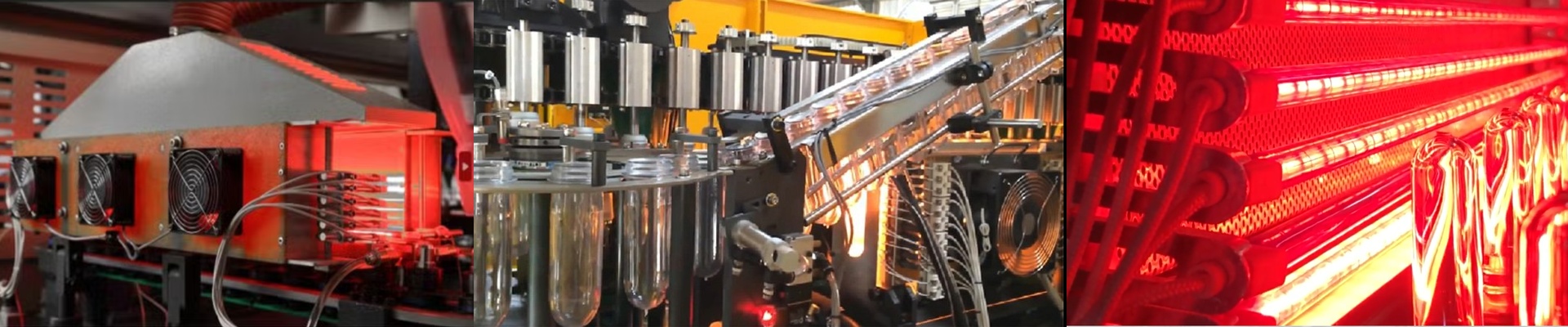
In a busy professional kitchen, the gap between a perfect sear and a ruined dinner is basically a few seconds. That’s why we use short-wave infrared (SWIR) bulbs. They get rid of that annoying lag you get with old-school heating elements.
Why “Instant” Actually Matters
Think about a standard heating element. It has to heat up, then heat the air, then finally heat your food. It’s slow. It’s got what engineers call “thermal inertia,” but in plain English, it just means it takes forever to react. Short-wave bulbs are different. They send electromagnetic radiation straight into the food. The tungsten filament hits its target temperature almost the second you flip the switch. And here is the best part: when the controller cuts the power, the heat stopsright now. No lingering heat. No “overshooting” the temp. This is how you keep a delicate glaze from burning or a piece of fish from overcooking.
The Nitty-Gritty on the Hardware
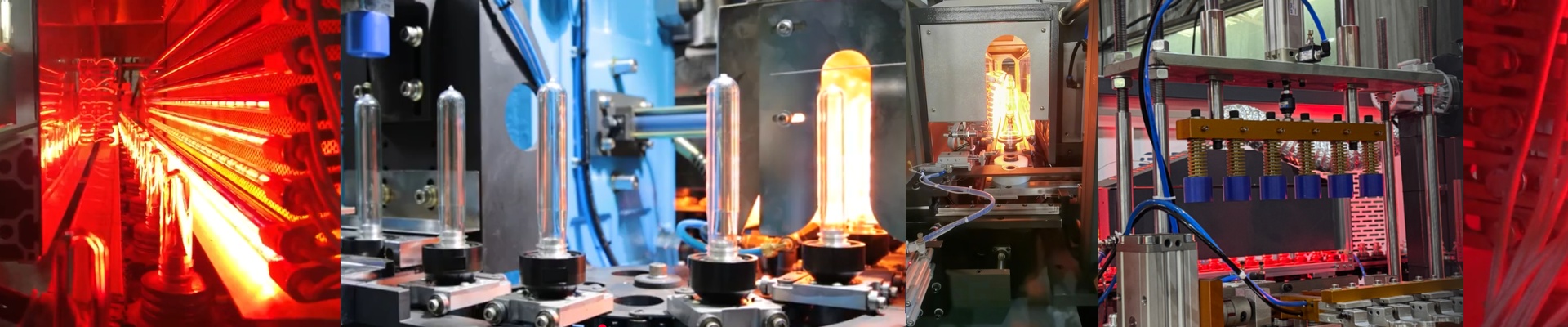
We build these lamps using high-purity quartz glass and halogen gas. The halogen does a specific job—it keeps the tungsten from sticking to the walls of the tube. This keeps the glass clear and the heat hitting your food consistently. You’ll usually find these with R7s or SK15 connectors, so you can just pop them in and go. But there is a catch. These things get incredibly hot. If your oven’s ventilation isn’t set up to pull that heat away from the sockets, you’re going to melt your wiring or burn through your bulbs way faster than you should.Check your airflow.
Making it Work Together
When you pair these bulbs with a PID controller, you get a level of precision that’s honestly a relief. Since the bulb doesn’t “store” heat in the metal, the system doesn’t have to guess how much energy is left over. You just wire it up, set your temperature, and the bulb follows that curve in real-time. If you’re running a high-volume kitchen and you can’t afford to toss a plate, this is the only way to do it.