
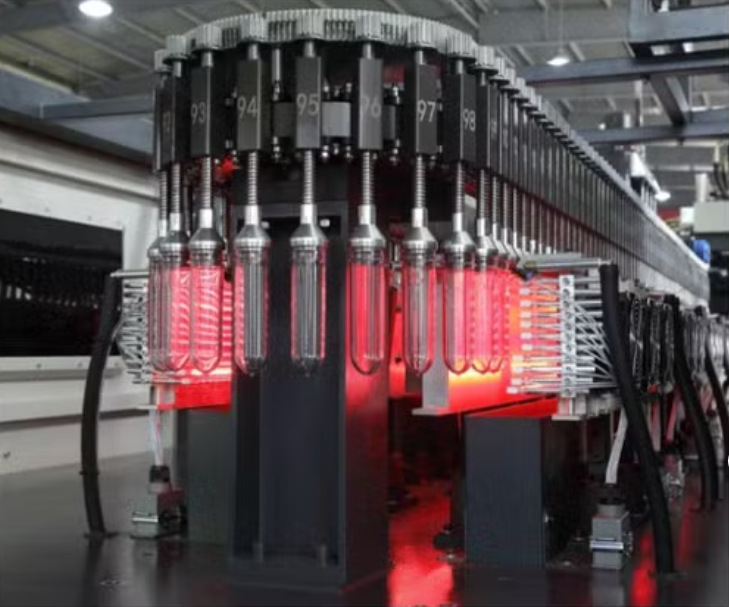
Fixing Those Pesky Hot Spots in Your KHS Blow-Molding Lines
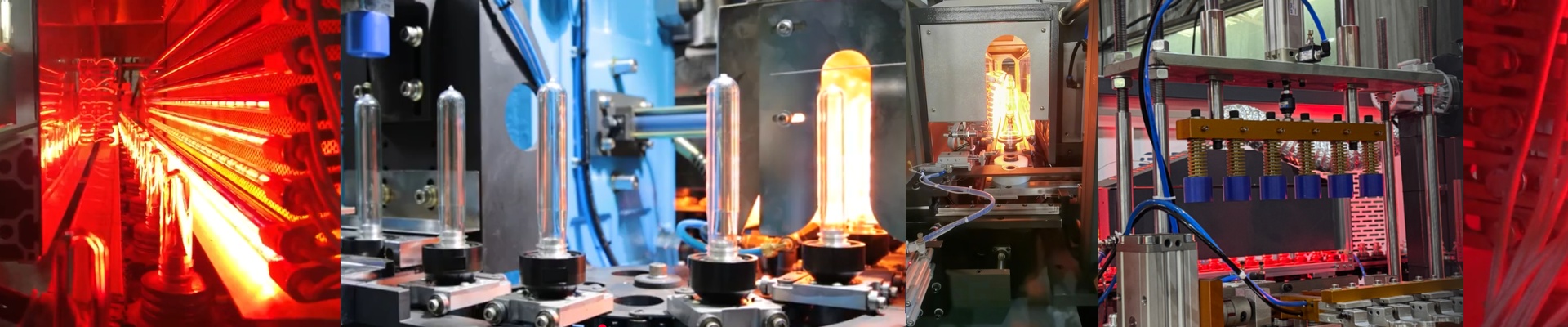
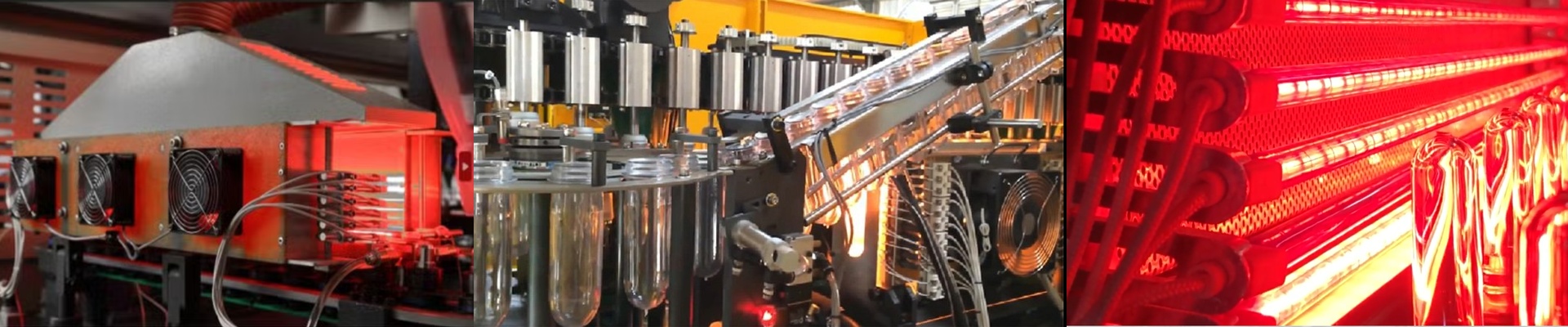
Ever pull a batch of PET bottles off the line only to find those annoying wall thickness variations or that weird, cloudy pearlescence? It’s a headache. Usually, it happens because the OEM lamps are getting old, or the heat just isn’t hitting the preform where it needs to. We’ve seen it a thousand times. That’s why we built our high-precision IR lamps. They’re simple drop-in replacements designed to kill off those hot and cold spots for good. The truth about heat distribution Here’s the thing: most generic tubes have “dead zones” at the ends. You end up with a preform that’s scorching in the middle but barely warm at the neck. We fixed that by obsessing over the quartz purity and how the filament is wound. The result? A steady, linear heat output across the entire length. No gaps. No surprises. What’s actually under the hood We use high-purity quartz glass because it lets short-wave IR pass through without fighting it. And about that “darkening” you see on old tubes? That’s usually tungsten evaporating and sticking to the inner wall, which kills your heat. We use a specific halogen cycle to stop that from happening, so your lamps stay bright and effective longer. One quick tip: these lamps handle high-current loads, so just double-check that your wiring can take the peak amperage. Also, make sure your oven ventilation is clear. If the air can’t move, the tubes will soak in their own heat and burn out way too soon. Getting them into your line The best part? You don’t have to rebuild your fixtures. You just swap them into your KHS ovens and go. When your thermal field is actually tight and consistent, you don’t have to blast as much cooling air. That means faster cycle times. Plus, we’ve noticed that engineers can actually drop the overall temperature while still getting the plastic to flow perfectly. It’s a win-win—you get better bottles and your reflectors last a lot longer.