
Fixing the Temperature Gap in Multi-Layer Ovens
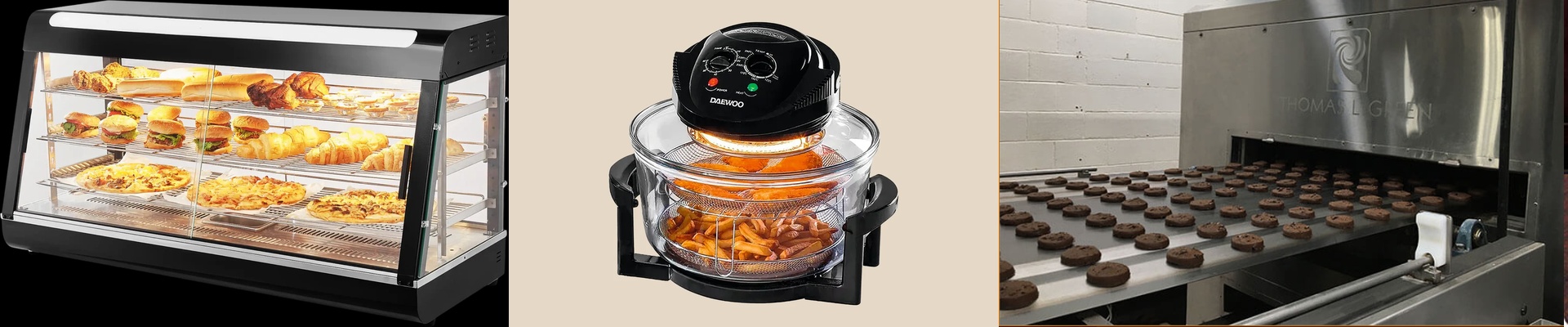
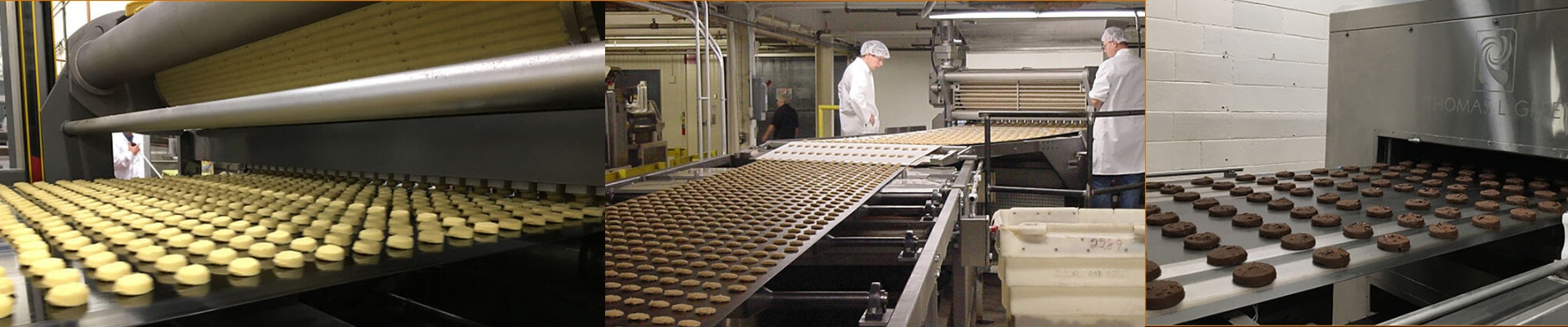
If you’ve ever worked with multi-layer industrial ovens, you know the struggle. The top deck is scorching, the bottom is barely warm, and the middle is somewhere in between. It’s frustrating. Even with convection fans blasting, those heavy baking trays act like heat sponges, sucking the warmth out of the air before it can actually do its job. We found a better way to handle this: shortwave infrared (IR) emitters. Basically, we give every single zone its own brain and its own heat source.
Why IR actually works
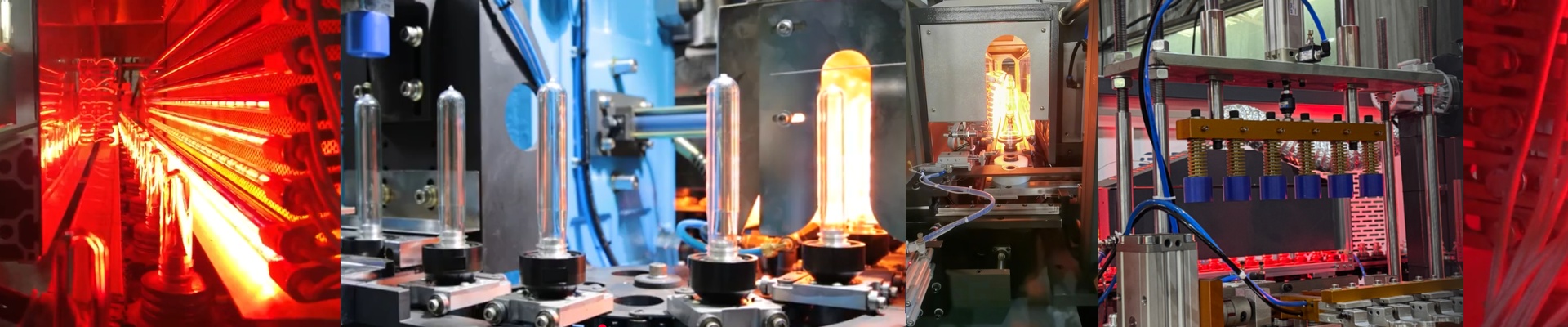
Most heaters try to warm up the air, which then warms up the food. That takes forever. IR is different. It uses electromagnetic radiation to send heat straight to the surface of your product. It’s instant. We use quartz-halogen tech because it’s incredibly fast. When your controller decides the temperature is dipping, the emitter hits full power in milliseconds. No more waiting around for the air to catch up, and no more “over-correcting” that leaves you with burnt edges and a raw center.
The nitty-gritty on the hardware
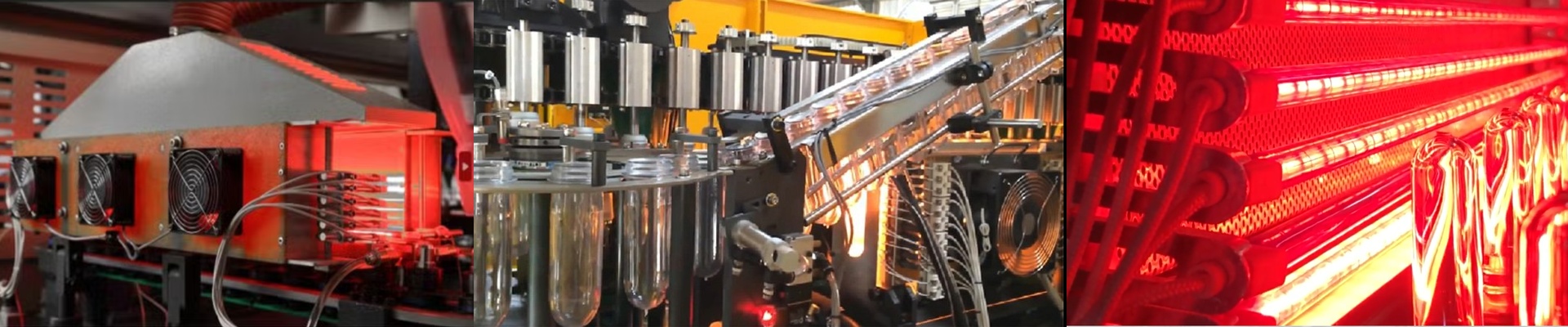
To make this work, you can’t just throw in one big heater. You need separate banks of emitters for every layer. We stick with high-watt density quartz tubes. They don’t take up much space, but they pack a serious punch. We specifically use shortwave emitters because they dive deeper into the dough. Longwave options just sit on the surface; shortwave actually gets in there. One quick warning: don’t cut corners on your wiring. Make sure your connectors are rated for the wattage. If a connector is loose, you’ll get arcing, and your expensive tubes will burn out way faster than they should.
The trade-offs (Because nothing is perfect)
Here’s the thing: this kind of precision comes with a few catches. IR heat is intense. If your oven’s airflow is too stagnant, you’ll scorch the top of your bread before the middle is even cooked. You have to find that sweet spot between the IR intensity and your convection fans to get a perfectly even bake. Also, keep in mind that these quartz tubes are fragile. They aren’t built for a bumpy ride. If your oven frame vibrates too much, those tubes can crack. Mount them securely, keep them steady, and they’ll treat you right.