
Stop Waiting for Your Oven to Heat Up
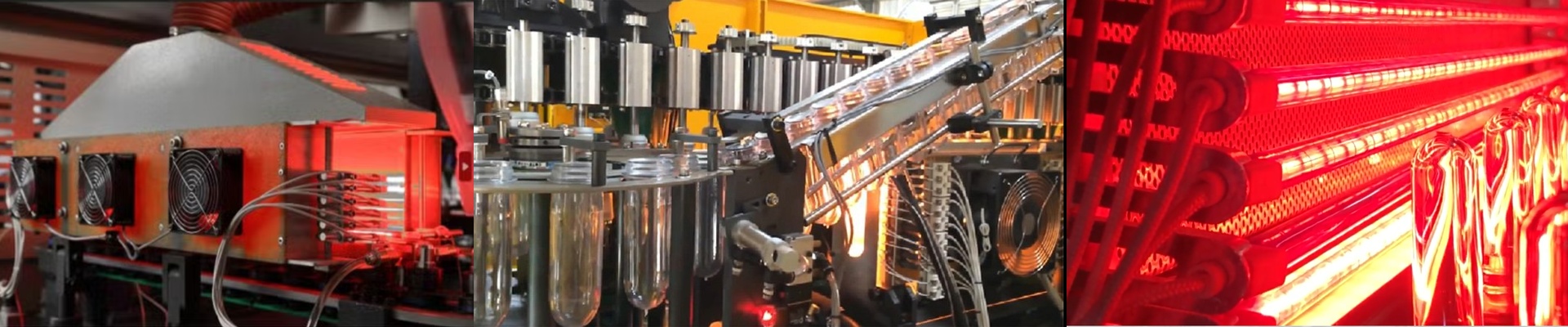
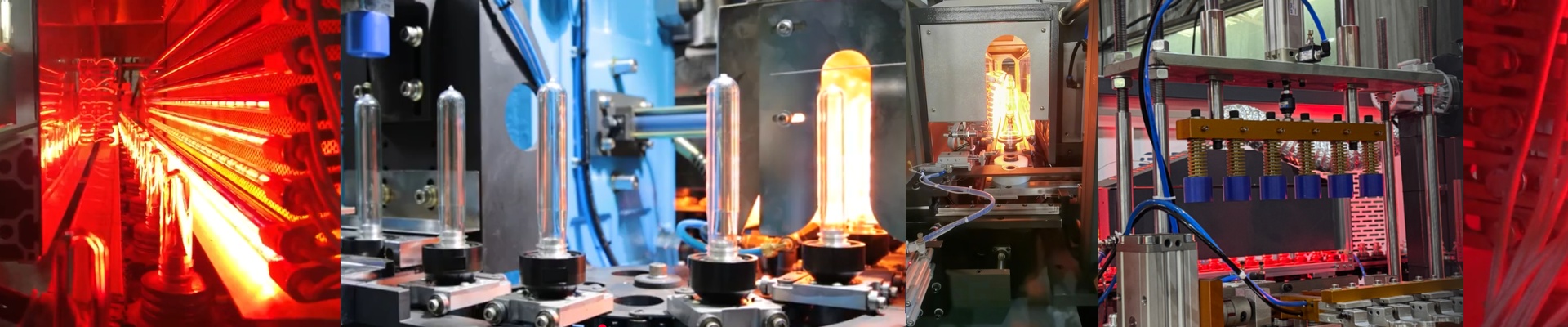
If you’ve spent any time with a standard deck oven, you know the frustration of the “temperature dip.” You slide in a cold tray of dough, and suddenly your oven temperature plummets. Then you’re stuck waiting—and hoping—that the heat recovers fast enough to actually get a good rise. We decided to fix that. Instead of relying on old-school heating, we use short-wave infrared quartz elements. They’re fast. Really fast. We’re talking about jumping from room temperature to 300°C in a matter of seconds. It’s not some magic trick; we just stripped away the heavy thermal mass and cranked up the radiant energy. How it actually works We pack a lot of wattage into a very small space. By condensing that power into a tight quartz envelope, we create an intense infrared beam. The best part? This heat doesn’t waste time warming up the air inside the oven first. It hits the dough immediately. It’s a direct transfer of energy that gets your product cooking the second it hits the deck. Built to last (and fit) Rapid heating usually means a lot of stress on materials. To stop the elements from cracking under that kind of thermal shock, we use high-purity quartz glass to protect the tungsten filament. And don’t worry about a complicated install. We use standard R7s or SK15 connectors. They basically slide right into most commercial ovens, so you can get them wired up without having to rip apart your chassis. Some of our tubes even have a special coating. This keeps the heat focused on your food rather than just heating up the oven walls. A few things to keep in mind This setup completely kills that temperature drop when you load a tray. Your oven bounces back to its set point almost instantly. But, there’s a catch. This much power can be a bit aggressive for some controllers. If you’re running these at full blast, you’ll want to double-check your PID settings so the temperature doesn’t overshoot. Also, make sure your wiring gauge is beefy enough to handle the current. You don’t want to deal with a burnt-out terminal just because the wires were too thin for the wattage.