Fixing the Heat Gap in Your KHS Blow Molding Lines
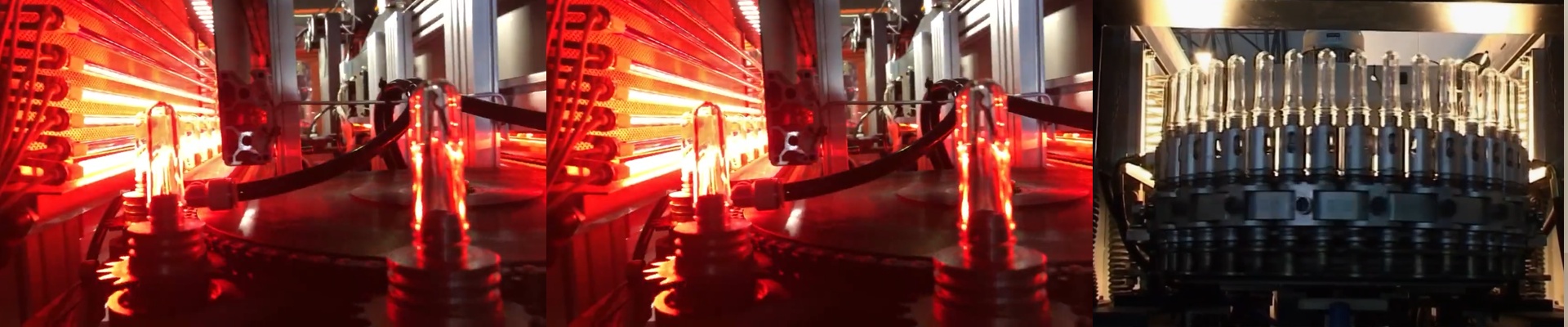
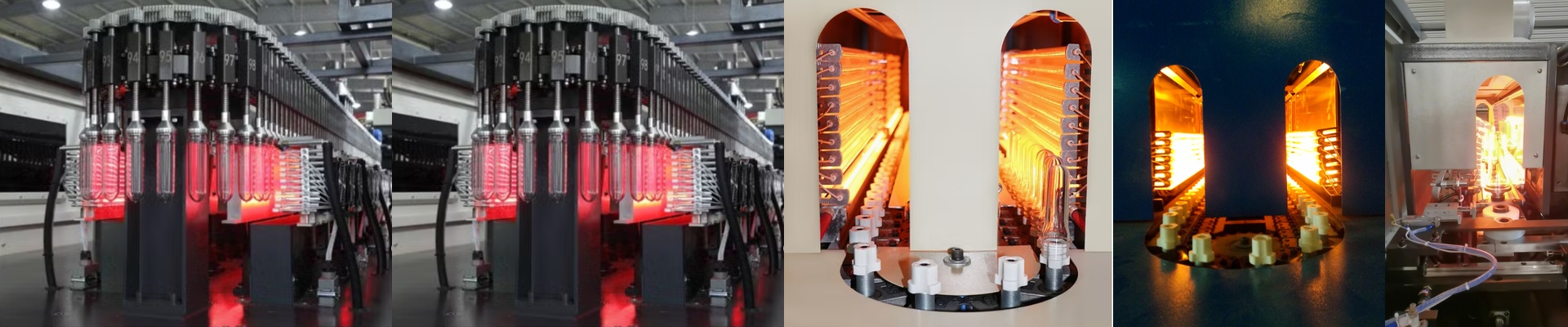
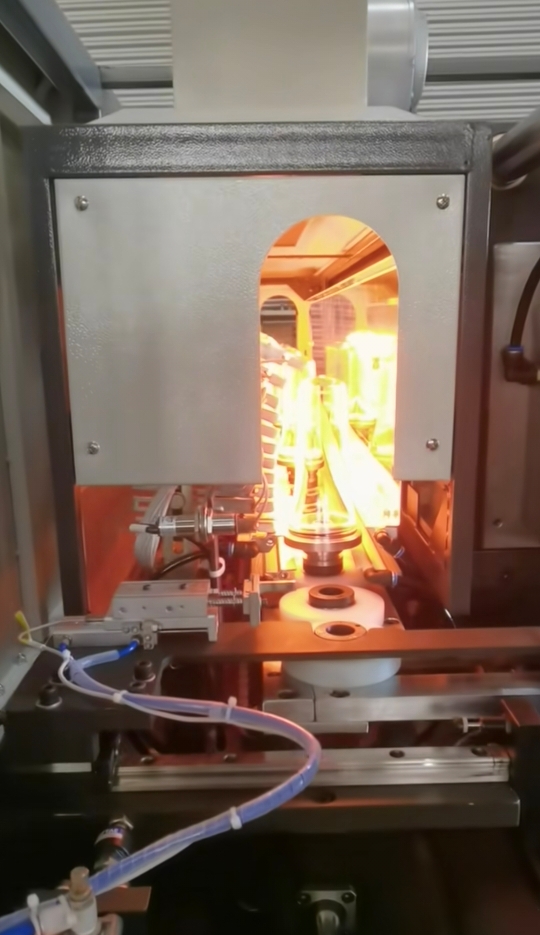
Ever pull a batch of PET bottles off the line and see those annoying pearlescent streaks or patches where the walls are way too thin? It’s frustrating. Usually, it comes down to one thing: your heat field isn’t flat. When you’ve got hot spots, you burn the preform. Cold spots? You get blow-outs. It’s a headache you don’t need. That’s exactly why we build our infrared lamps the way we do—to fill those gaps and get the heat balanced. Getting the heat right Most standard lamps have a problem we call “end-loss.” Basically, the temperature just dips near the electrodes. To stop that from happening, we play around with the filament winding density and use a specific blend of quartz glass. We also tweak the wattage and voltage to match your machine’s power supply. The goal is to keep the energy steady from one end of the tube to the other. No more “zebra stripes” on your preforms. Just a clean, even heat. The nuts and bolts We use high-purity quartz and halogen gas fills. This lets the lamps run hotter without the filament giving up on you. And here’s the best part: they’re drop-in replacements. The dimensions and connectors match your KHS sockets perfectly. You can just swap them out. No rewiring, no messing with your racks, no drama. Depending on your PET grade, we can offer different coatings. A short-wave emitter pushes heat deep into the plastic fast. It’s great, but it’s picky. If your reflectors are worn out, the heat just scatters. It’s worth double-checking those reflectors before you switch. A quick word of caution It’s tempting to go for higher wattage to crank up your throughput. But remember, more heat means more work for your cooling fans. If you push the heat density to speed up your cycle, make sure your oven’s ventilation can actually move that extra air. If it can’t, you’re looking at warped reflectors and lamps that burn out way too soon. My advice? Keep an eye on your current draw during that first hour of operation. Just make sure your transformers aren’t running too hot. Simple, but it saves you a lot of trouble down the road.