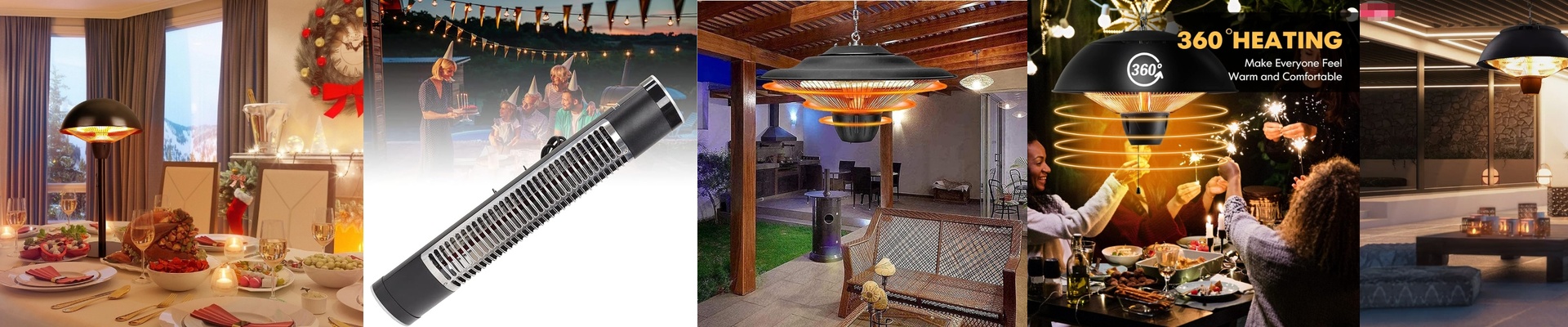

Keeping Things Warm (and Safe) in the Shower: The Deal with IP65 Quartz Heating
When you’re picking out heating elements for a bathroom or a shower, you can’t just look at how hot they get. You’re dealing with a nightmare scenario for electronics: a room full of steam and direct water splashes. If you just throw a standard infrared lamp in there, it’s going to short out or, worse, shatter. That’s why we stick with IP65-rated, explosion-proof quartz tubes. It’s about peace of mind.
Why “Explosion-Proof” Actually Matters
Standard quartz is a bit temperamental. If a single cold drop of water hits a glowing hot filament, the whole tube can crack or just pop. To stop that from happening, we use reinforced quartz glass. It’s built to handle those wild temperature swings without losing its seal. When we say “explosion-proof,” we really just mean the tube is tough enough to hold its own and won’t shatter when the bathroom gets steamy.
The Secret is in the Seals
You’ll see the “IP65” label everywhere. In plain English, that means the housing keeps out dust and can take a direct hit from a water jet. But here’s the thing: the glass isn’t where the real trouble starts. Most lamps fail at the end-caps. That’s where the moisture sneaks in and hits the electrical terminals, which is a great way to cause an arc flash. We fix this by using high-temp silicone gaskets and seals that are machined to be incredibly precise. It keeps the water out and the power flowing safely.
The Trade-off
These lamps are great because they give you that instant, intense heat. But there is a small catch. Because we have to wrap the tube in protective housing to keep it IP65 compliant, some of that infrared heat gets blocked. You lose a little bit of efficiency compared to a tube sitting out in the open air. It’s not a dealbreaker, but you have to keep it in mind. When you’re calculating your wattage, bump it up a bit. You want to make sure the person stepping out of the shower actually feels the warmth through the shielding.