Stop Fighting Your SIPA Oven: The Truth About Heat Fluctuations
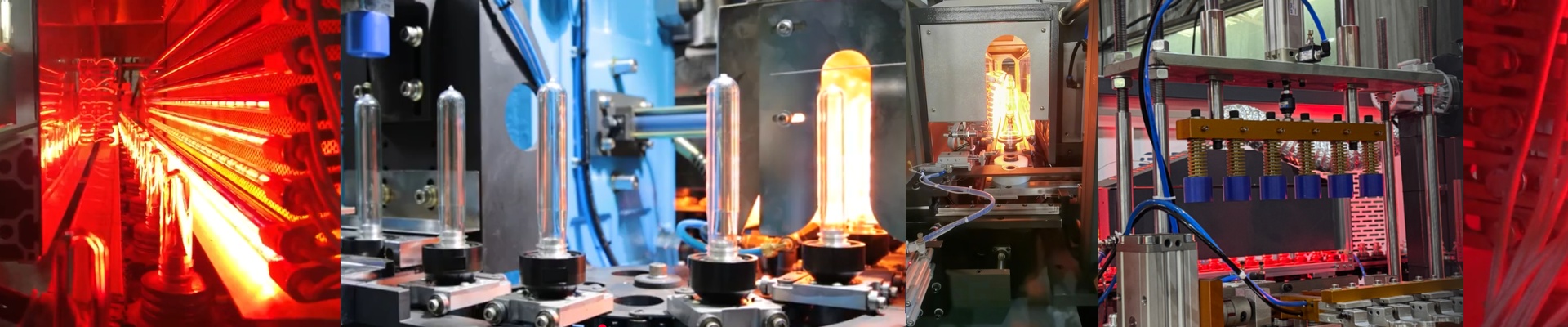
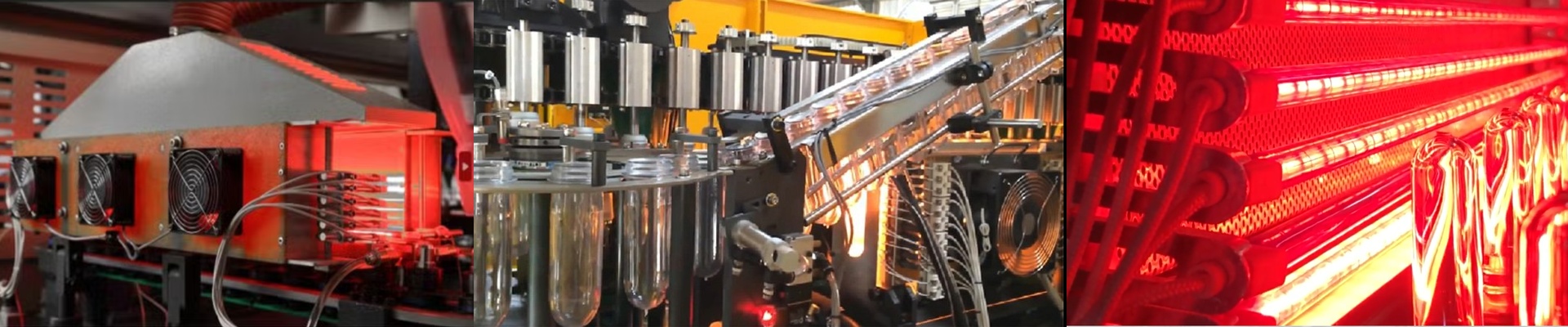
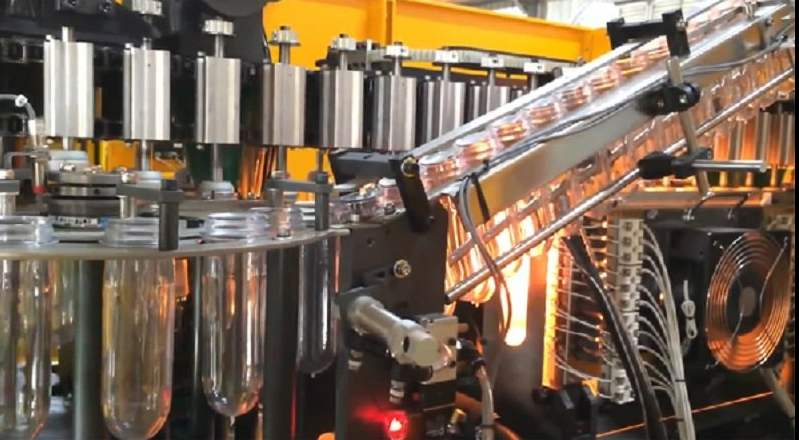
Ever feel like you’re chasing your tail with your SIPA rotary blow molder? One minute the bottles look great, and the next, you’ve got wall thickness issues and weird deformations. It’s frustrating. Usually, the culprit isn’t the machine itself. It’s “power drift.” Here’s what’s happening: someone probably swapped out a few lamps for replacements that looked right but didn’t actually match the original OEM wattage or voltage. It seems like a small detail, but it ruins everything. We make infrared lamps that match the SIPA footprint exactly so you can actually stop worrying about these swings. Why matching the power actually matters Think of it this way: if you mix and match wattages in one oven zone, you’re basically creating cold spots. It’s uneven. When the radiation density is uniform, the preform heats up perfectly. But if you put in a lower-wattage substitute, the controller tries to “fix” it by overcompensating. That puts a massive strain on the filament. The result? Your lamps burn out way faster than they should. Built for the grind We use heavy-wall quartz glass because these things take a beating. The rapid heating and cooling cycles are brutal, and cheap glass just can’t handle that kind of thermal shock. As for the setup, we use R7s or SK15 connectors. They’re simple drop-in replacements. No rewiring, no headaches—just plug them in and get back to work. We also offer coated options. These are great because they push the heat into the PET material where it belongs, instead of just heating up the metal frame of your machine. A quick tip from the shop floor High-density IR lamps put out a ton of heat. That means your cooling blowers have to work harder. If your lamps are inefficient, your oven’s ambient temperature will climb, which is never a good thing. Check your ventilation. And for heaven’s sake, keep the glass clean. We’ve seen plenty of tubes fail early just because dust built up on the quartz and created a hot spot. A quick wipe-down can save you a lot of money in the long run. If you want a stable heating curve and way less scrap in the bin, you’ve got to match the lamp power to the machine’s original electrical profile. It’s the only way to get it right.