
Stop Overpaying for Your Bakery Ovens
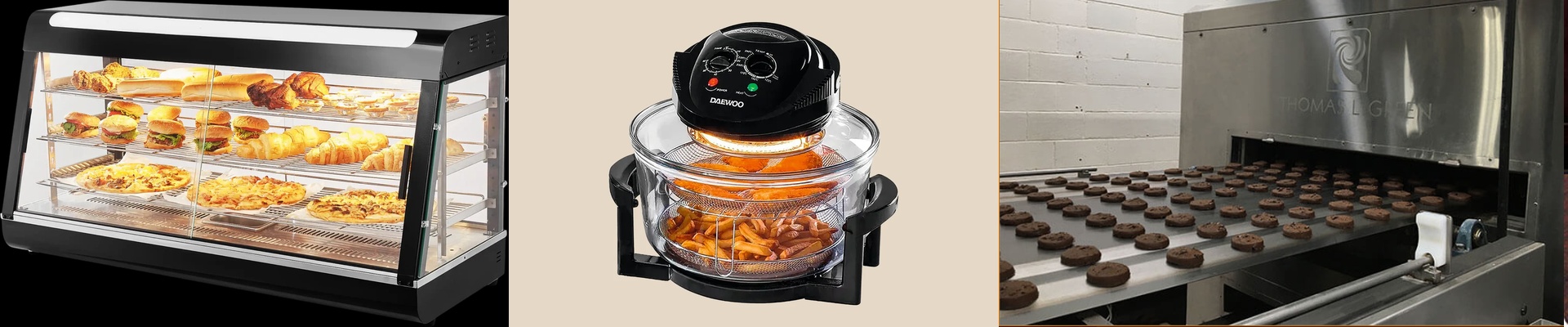
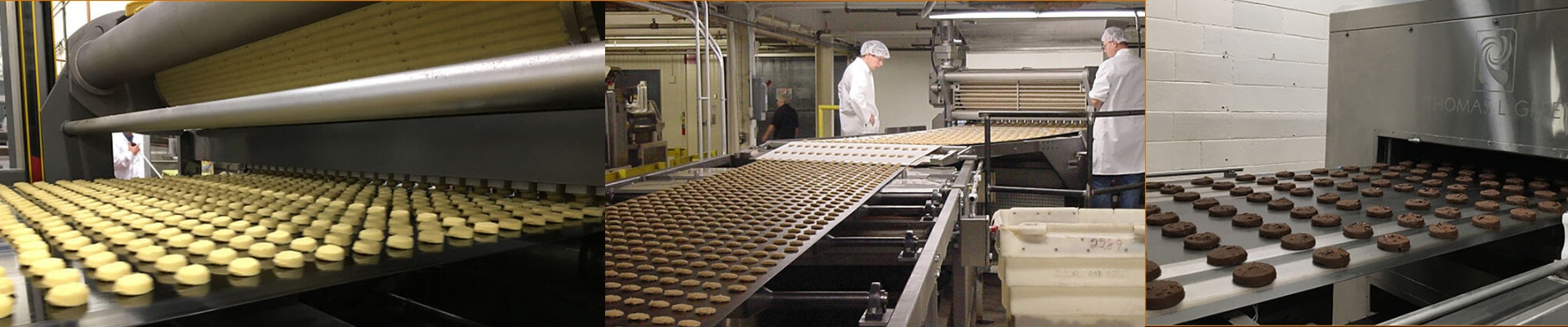
If you’re running a chain of bakeries, you’ve probably noticed a frustrating trend: oven suppliers love to sell you way more power than you actually need. They push these massive, oversized heating arrays that eat up your budget before you’ve even baked a single loaf. We’ve found a better way. By using 250W ceramic infrared heaters, you can hit those exact temperature marks you need without paying for a heavy-duty industrial furnace you don’t actually want.
The secret is in how the heat moves
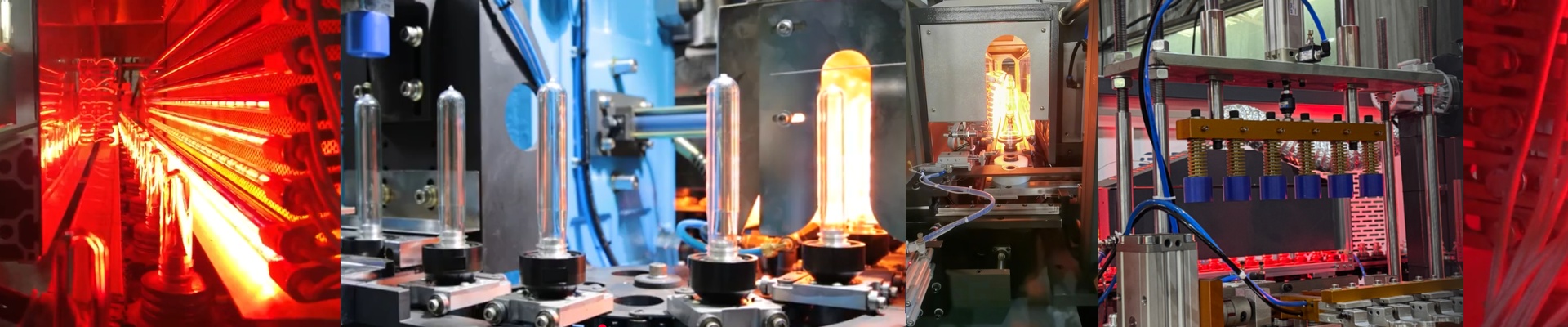
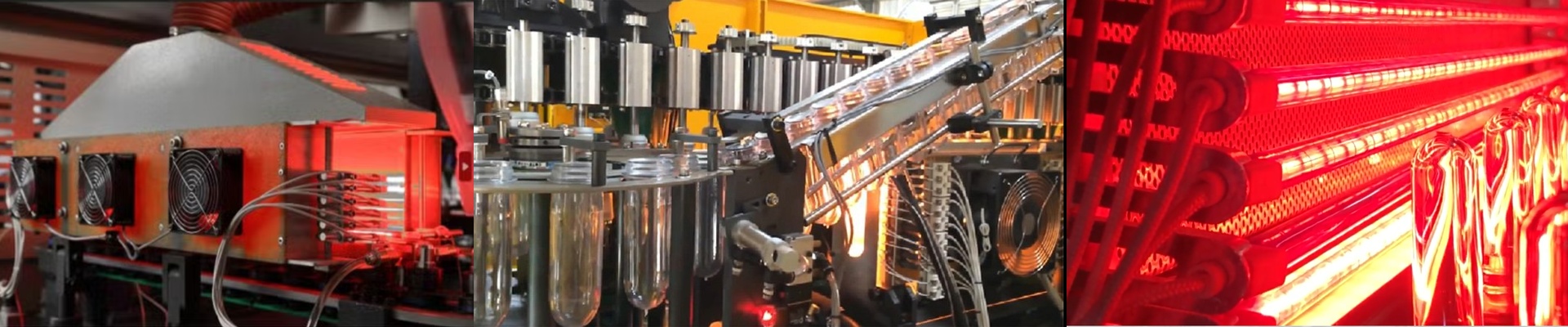
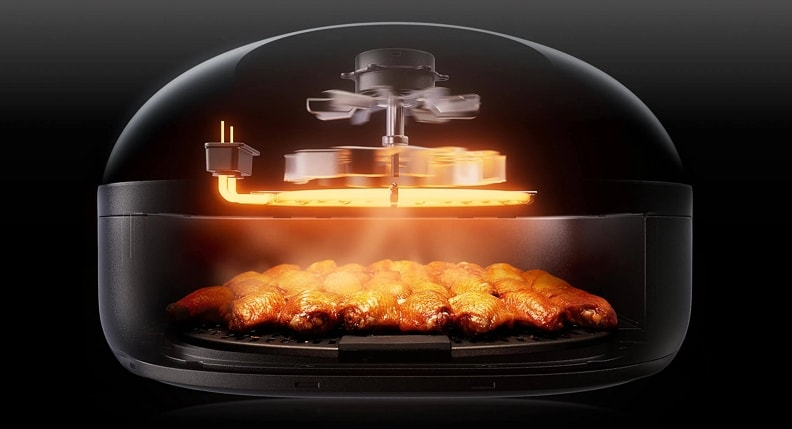
Most ovens rely on metal tubes that just heat up the air. It’s slow. These ceramic elements are different. They send out infrared radiation, which means the heat goesstraight into the dough. The result? Your crust browns faster. Your bake cycles get shorter. It’s perfect for those specific spots in the oven where you need a punch of heat, rather than trying to boil the entire cavity.
Built for the mess of a real kitchen
Let’s be honest: bakeries are messy. You’ve got flour dust everywhere and constant humidity. Standard metal elements usually hate that. Grease and debris settle on the coils, and then—pop—they burn out. Ceramic is a different story. The housing protects the internals, so it can take a beating in a high-moisture environment and keep on ticking. There is one catch, though. Ceramic has more “thermal mass” than those thin quartz lamps. It doesn’t hit top speed instantly. You’ll want to give your ovens a few extra minutes to warm up before you slide in the first batch.
Saving money on the big picture
When you’re managing 50 or more locations, the small stuff adds up. Switching to these infrared units is a great way to keep your equipment costs down. They basically slide right into place where those expensive, custom heating assemblies used to go. You hook them up to your standard controllers and you’re good to go. And here is the best part: because we’re sticking to 250W per element, you aren’t hammering your electrical panel. You can avoid those nightmare scenarios where you have to pay for expensive amperage upgrades to your shop’s power supply. It keeps your footprint small and your budget intact. Simple as that.