
Stop Guessing Your Oven Temp: Why We Use Quartz Heating Tubes
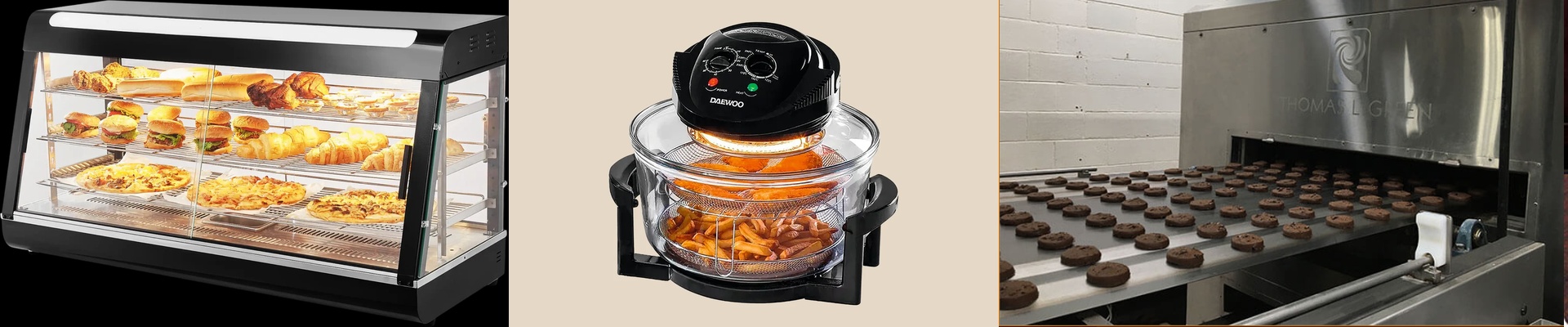
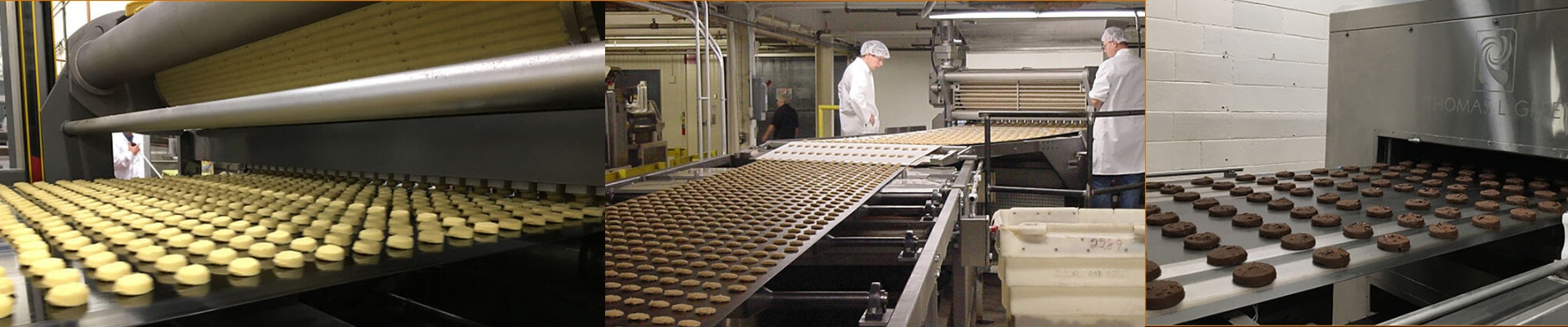
Ever had a bake go completely sideways because your oven just wouldn’t behave? It happens to the best of us. Most standard ovens have these massive temperature swings that make it almost impossible to get a consistent result. That’s why we switched to clear quartz heating tubes. They fix the “lag” problem. Instead of waiting for a heavy metal element to warm up the air, these tubes blast near-instant infrared heat right into your dough.
How it actually works
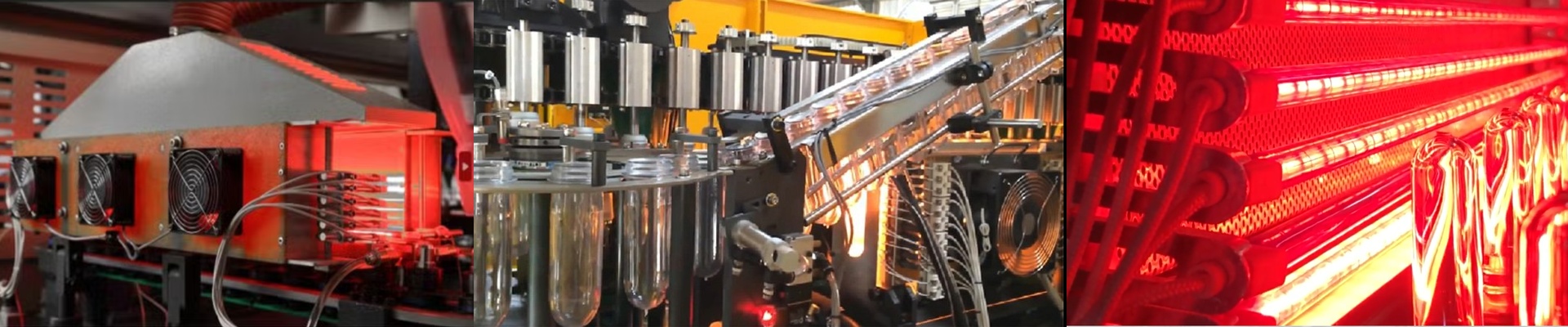
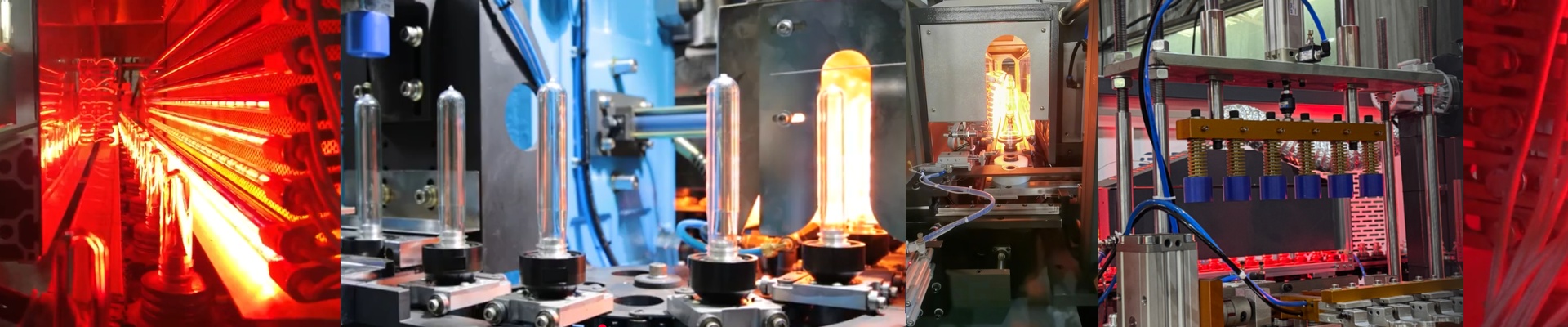
We make these out of high-purity fused quartz. The cool thing about this material is that it lets short-wave infrared radiation pass straight through the glass. It’s a direct line of energy. But the real magic is in the weight—or lack of it. Quartz has very low thermal mass. It heats up fast. It cools down even faster. When your controller tells the power to drop, the heat stops almost immediately. You don’t have to deal with that “stored heat” that usually keeps climbing and burns your crust after you’ve already hit your target temp.
The nitty-gritty (and the warnings)
Inside those vacuum-sealed tubes, we use a tungsten filament. If you pair these with a PID controller, you can keep your temperature steady within ±1°C. It’s incredibly precise. But look, a word of caution:quartz is fragile. It can handle insane heat, but it can’t handle a clumsy mistake. If you’re putting these in a busy commercial kitchen where things get bumped, please, for the love of your equipment, put a protective shield over them. Also, check your wiring. These things pull a lot of current because the heat density is so high. You don’t want your terminals melting because you used thin wires.
No more “flip-flopping”
Consistency in baking is all about the thermal curve. You want a smooth ramp-up and a steady soak. When you get rid of those heavy metal elements, you stop that annoying “flip-flop” effect where the oven is way too hot, then suddenly too cold. It takes the guesswork out of the process. Your crumb structure stays consistent, and you stop staring at the oven door praying that this batch doesn’t fail. It’s just… stable. And that makes all the difference.