Why we’re swapping resistance wires for IR emitters in bread warmers
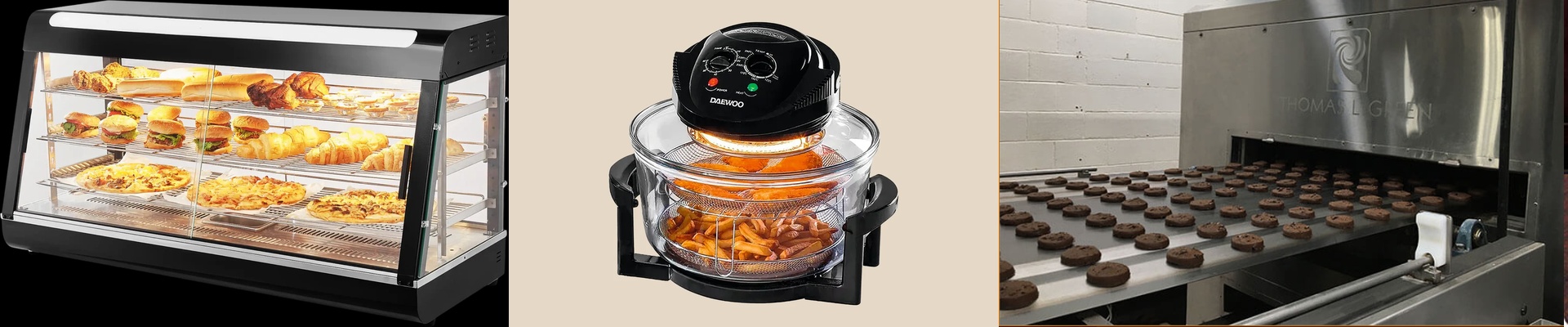
Think about how a standard heating wire works. It heats the air, and then that air—hopefully—heats the bread. It’s a slow, roundabout way of doing things. You waste a lot of energy just trying to get the air up to temperature, and you’re stuck waiting around for the heat to actually hit the food. We’ve found a better way: Short-Wave Infrared (SWIR) emitters. Instead of warming the air, these send energy straight into the bread. It’s almost instant. Since you aren’t wasting time heating up the entire oven cavity, your power bill takes a hit in the best way possible. If you’re running a high-volume bakery where the ovens are constantly clicking on and off, those kilowatt savings really start to add up.
Getting the tech right
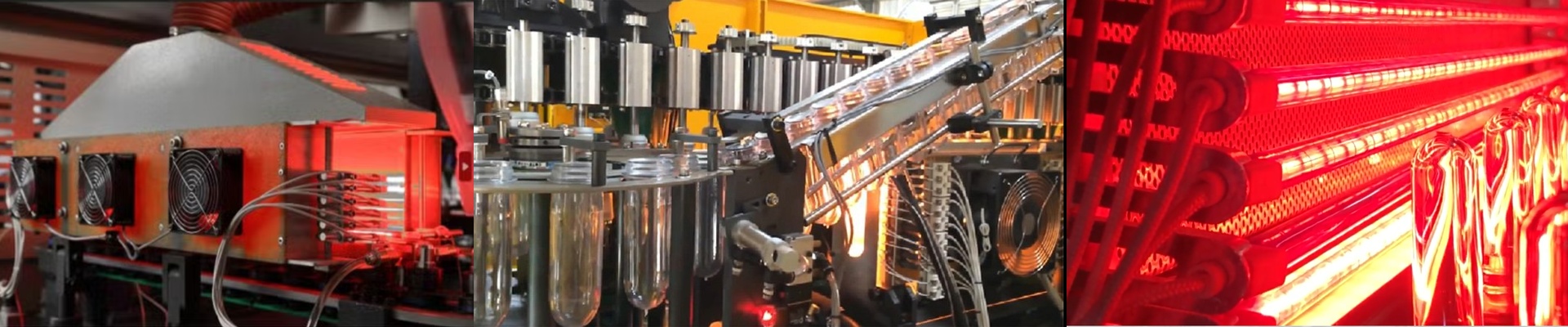
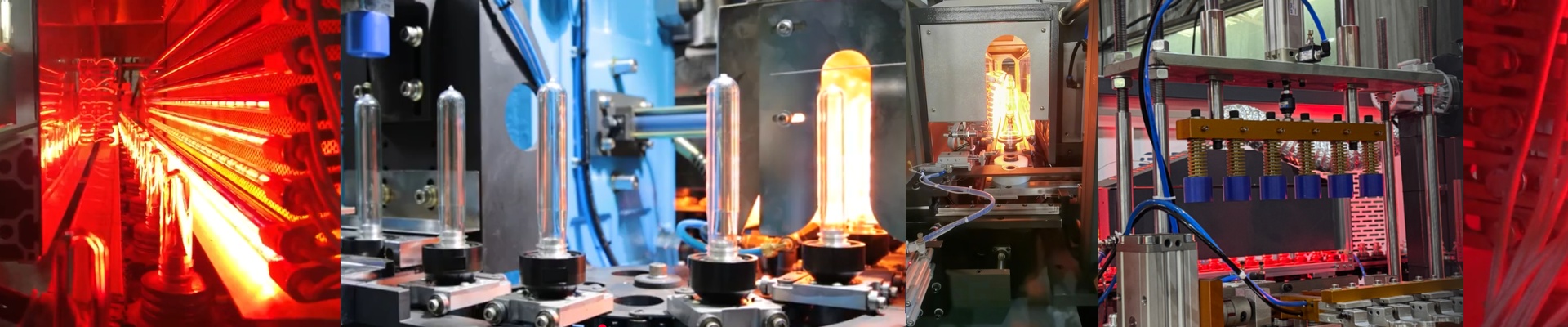
These emitters usually come in high-purity quartz tubes. If you’re planning to drop these into an old chassis, just a heads-up: check your wiring first. IR lamps pack a much higher heat density than old-school coils. You’ll also want to look at your controllers. A basic thermostat is too slow for this. By the time a standard thermostat realizes the oven is hot, the IR emitter has already hit peak temperature, and you’ll end up with burnt crusts. I’d suggest using PID controllers and fast-acting SSRs. They can keep up with the speed of the IR and keep your temperature steady.
The honest trade-offs
Now, it’s not all magic. There are a few things to watch out for. First, quartz is fragile. One clumsy move during a deep clean and you’ve got a cracked lamp. Then there’s the positioning. You have to get the distance just right. If the lamp is too close, you’ll scorch the top of the loaf while the middle is still cold. It takes a little bit of trial and error to balance the wattage and the distance to get that perfect heat penetration. And don’t forget about airflow. Make sure your venting is solid, or the ends of the lamps will overheat and fry your sockets.