
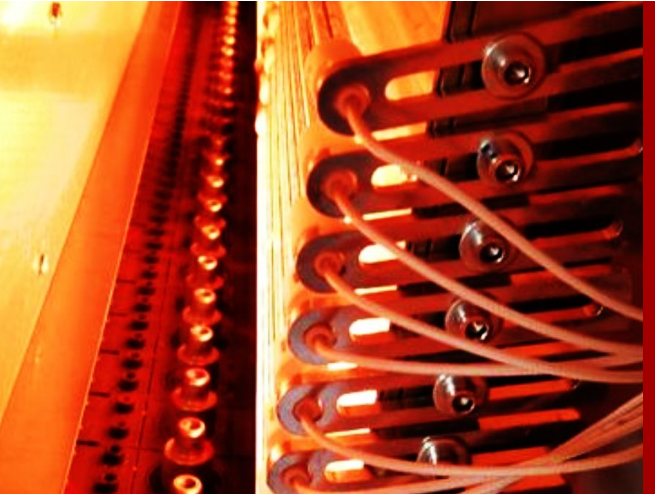
Can a simple lamp swap actually boost your blow molding output?
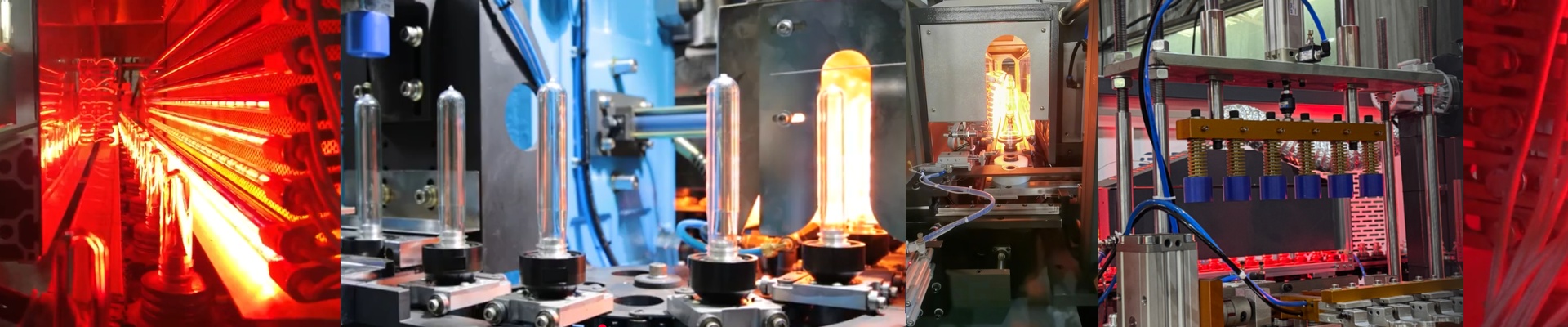
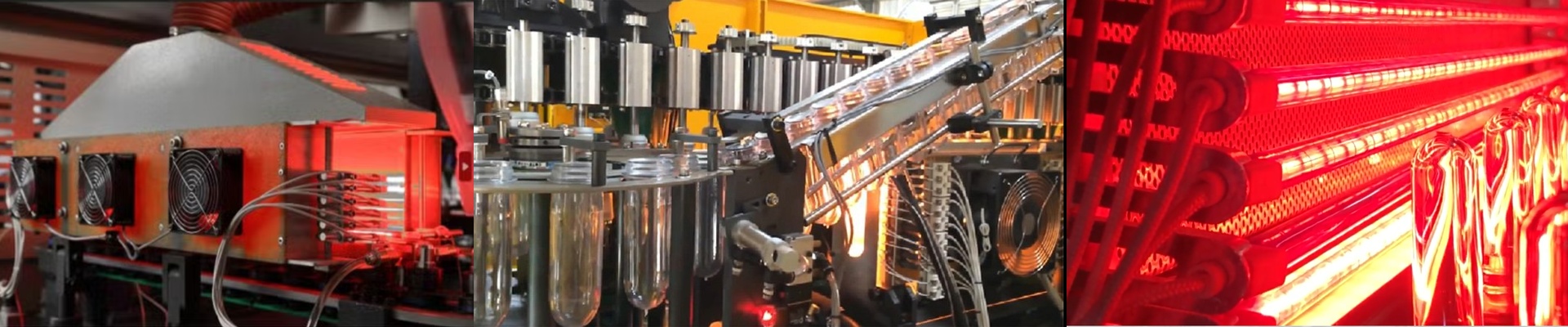
If you’re running mid-tier PET machines, you know the frustration of hitting a production ceiling. You want more bottles per hour, but you’re stuck. You start seeing those annoying wall thickness variations or that cloudy “pearlescence” in the plastic. Usually, the blower itself is doing just fine. The real culprit? Your infrared lamps aren’t hitting the preforms with enough heat density. Let’s talk about the heat. When you swap in a high-output lamp for your Techne blowers, you’re changing the way energy actually hits the plastic. By packing more wattage into the same length of tube, we’re pushing more short-wave infrared energy into the material. It sounds technical, but the result is simple: you can shorten your heating cycle. Think about it. If you can shave just half a second off every single cycle, your hourly output jumps. All that, without having to drop a fortune on a brand-new machine. The hardware side of things We made these as drop-in replacements. No headaches. They fit the exact footprint of the original Techne specs and use the standard R7s or SK15 connectors you already have. You won’t need to rewire your control cabinet or mess around with the lamp holders. We also use heavy-wall quartz glass, so the tubes don’t bow or warp when things get seriously hot. One thing to watch out for… More heat is great, but it puts a bit more stress on your gear. If you’re cranking up the wattage to gain speed, you’ve got to make sure your cooling fans and vents can keep up. If your airflow is clogged with dust or blocked, you’re asking for trouble—like burnt-out lamp ends or melted wiring. Just keep your vents clear and you’re good. Getting them installed Swapping them out is a breeze. Pop the old tubes, check your contacts for any carbon buildup (clean those off!), and plug in the new ones. One pro tip: replace them in matched sets across the oven. Don’t mix and match old lamps with new ones. If the heat profile isn’t uniform, you’ll end up with deformed bottles, and that’s the last thing you need when you’re trying to speed up production.