Keeping Your Steam Deck Oven from Acting Up
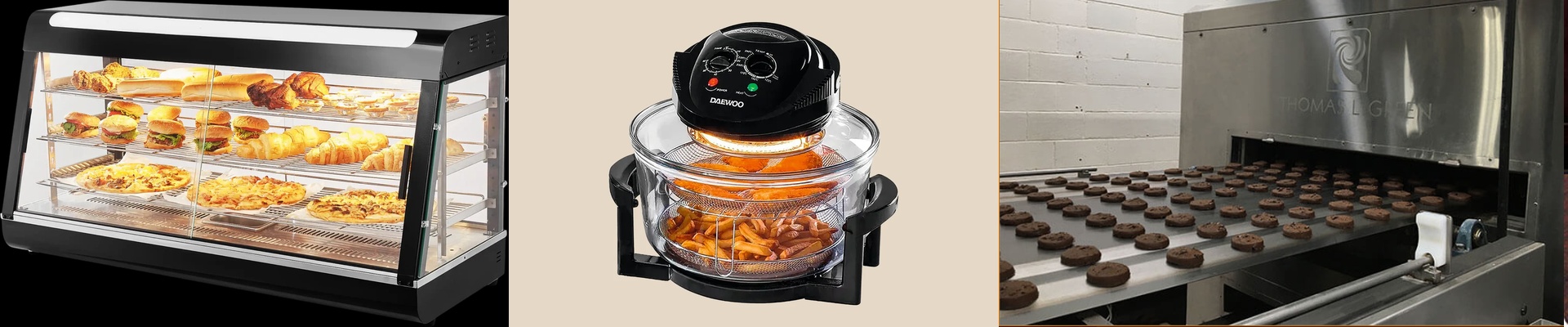
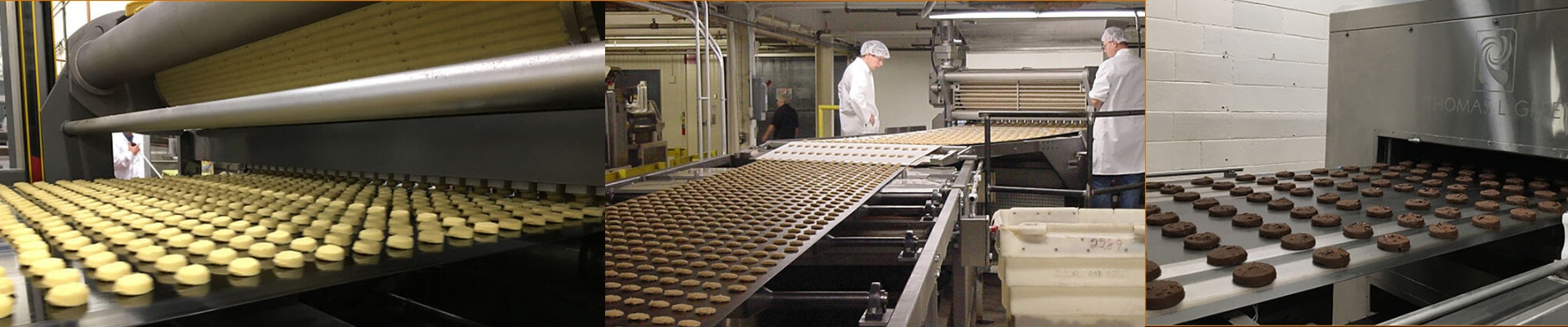
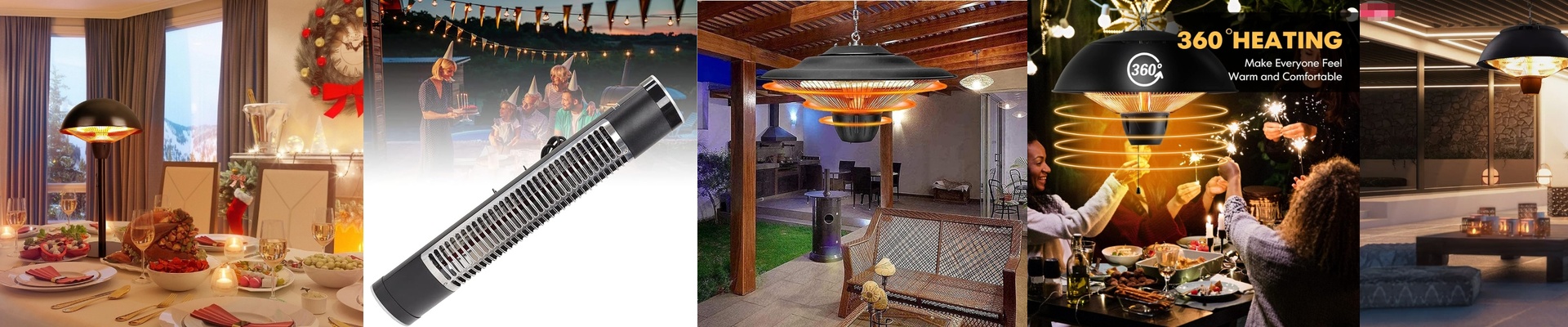
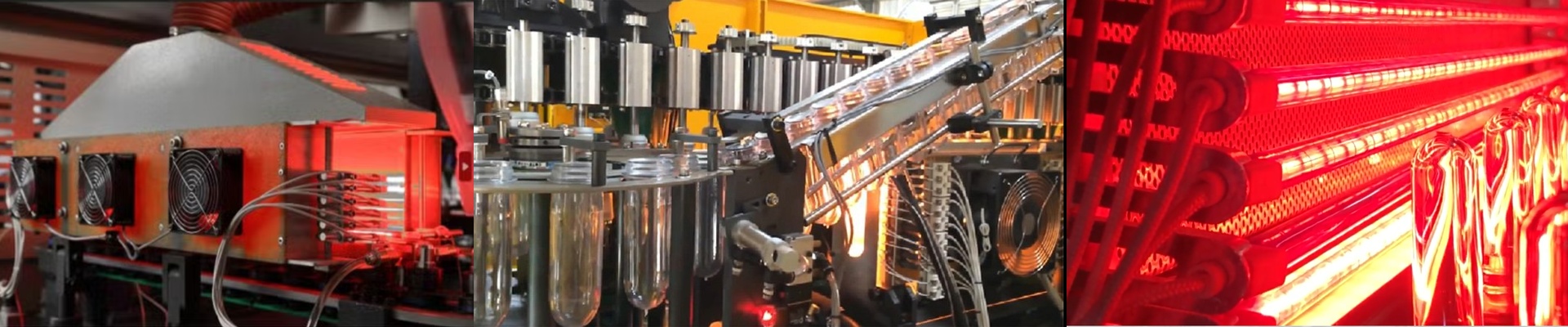
Let’s be honest: steam deck ovens are brutal on equipment. You’ve got thick humidity, temperatures swinging wildly, and a constant need for pinpoint heat. It’s a recipe for gear failure. To keep things running smooth, we rely on short-wave infrared (IR) quartz lamps. They’re built specifically to take a beating in these kinds of conditions. The battle with voltage and heat It all starts with the power. If your electrical load isn’t dialed in, you get voltage drops. That leads to uneven baking, and nobody wants a loaf that’s burnt on one side and raw on the other. We use high-wattage IR lamps because they pack a punch. When you slide a tray of cold dough into the oven, the temperature naturally dips. These lamps recover that heat almost instantly. It’s the difference between a perfect, crisp crust and a soggy disappointment. Dealing with the steam Standard lamps just can’t hack it here. They’ll burn out in no time. To fix that, we use high-purity quartz glass. It doesn’t crack when the temperature shifts suddenly. Inside, the filament sits in a special gas mix so it doesn’t oxidize and die. We also add a coating to the quartz. Instead of just heating up the air around the bread, this pushes the heat deeper into the product. One quick tip: check your wiring. If your connectors aren’t rated for the heat, they’ll arc and kill your lamps way sooner than they should. The trade-offs These elements are great because they’re small and heat up immediately. They fit into most industrial setups without much fuss. But here’s the catch. These lamps generate a massive amount of localized heat. If your ventilation is weak, you’re asking for trouble. You could end up melting your cable insulation or frying your control boards. You have to find that sweet spot between the lamp’s power and how well your system can breathe. Otherwise, you’ll be tripping breakers and staring at a dead oven.