Getting the Crust Right: Why Twin Quartz Heaters Actually Work
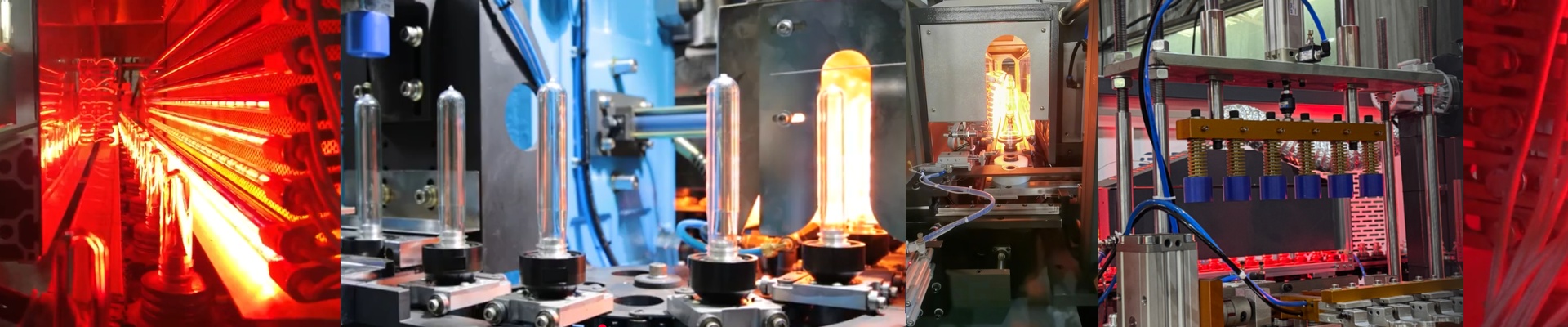
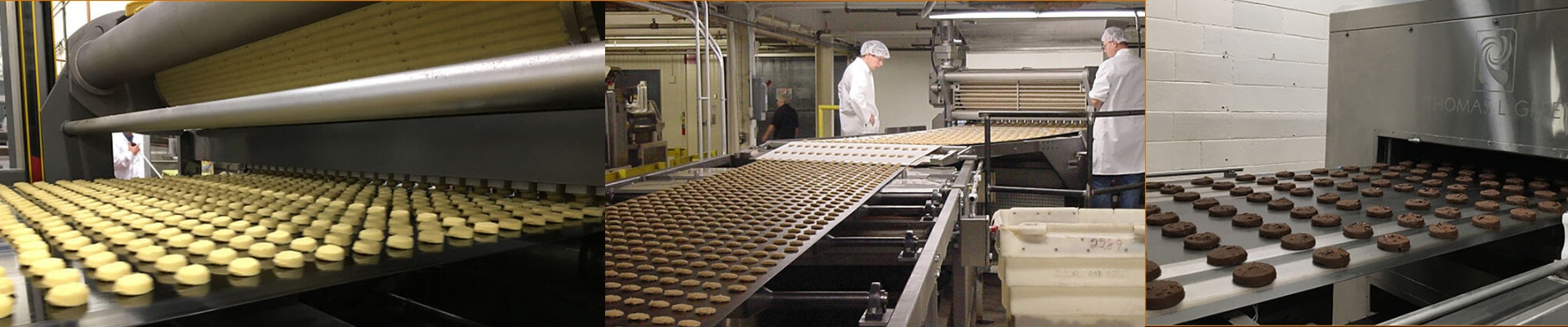
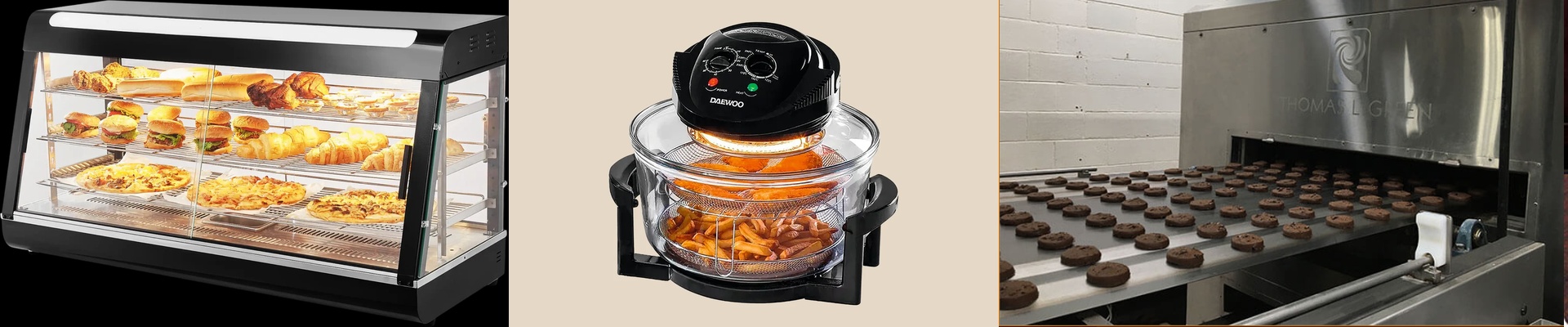
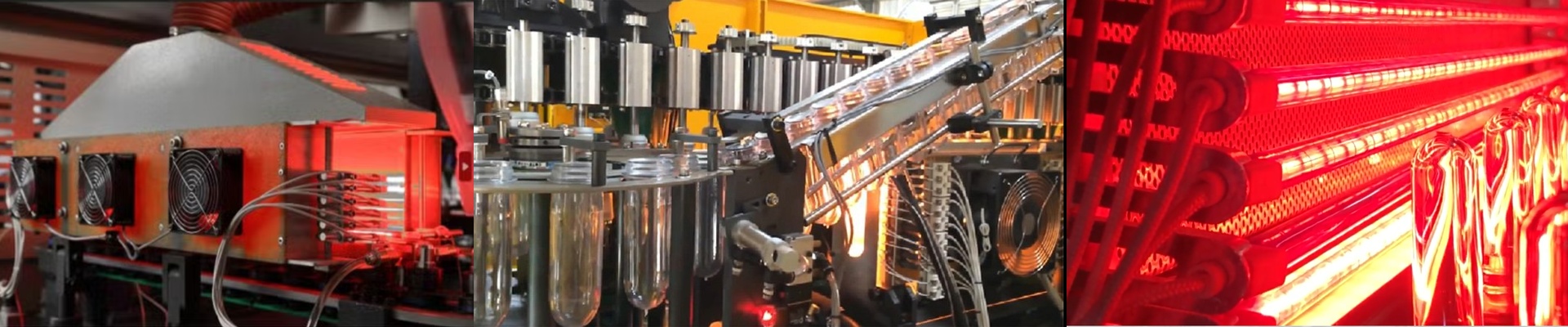
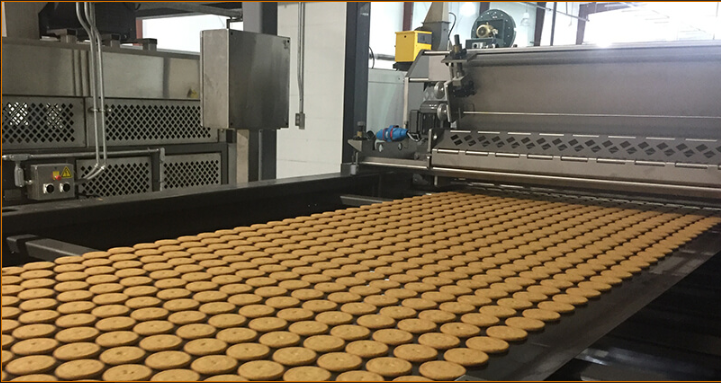
Anyone who’s spent time baking knows that the difference between a perfect loaf and a disappointment is tiny. We’re talking about a single degree. One degree too low and your center is doughy; one degree too high and you’ve scorched the bottom before the middle is even cooked. It’s a frustrating tightrope to walk. That’s why we use twin quartz infrared (IR) heaters in our deck ovens. They don’t mess around. The secret is in the heat Most ovens just warm up the air and hope for the best. Not these. Twin quartz lamps shoot short-wave radiation straight into the dough. It’s direct. It’s immediate. By doubling up the tubes, we can cram a ton of heat into a small space without making the oven massive. The result? Your oven hits baking temperature in seconds. It’s a level of responsiveness that old-school resistive coils just can’t touch. A few things to watch out for We use high-purity quartz glass because it lets the IR light through without blocking it. For the connections, we stick with R7s or SK15 sockets—they stay put even when the oven is vibrating. But here is the part where people usually mess up:watch your wattage. If you plug a 2000W tube into a controller meant for 1500W, you’re going to fry your Solid State Relay (SSR) in about a week. It’s an expensive mistake that’s easy to avoid. Just make sure your parts match. Dealing with the heat these lamps put out a massive amount of energy. It’s great for that artisan sourdough crunch, but it’s hard on the oven’s frame. You have to get your ventilation right. If the air around the sockets gets too hot, your wiring insulation will start to melt. Not a good look. To keep things consistent, we suggest a closed-loop system with a K-type thermocouple sitting about 20mm from the deck. This kills the lag. The heater kicks in, the sensor sees it, and the dough reacts instantly. It’s the only way to make sure the first loaf looks exactly like the last one in a big batch.