
Why Your Commercial Oven Needs “Instant-On” IR Heating
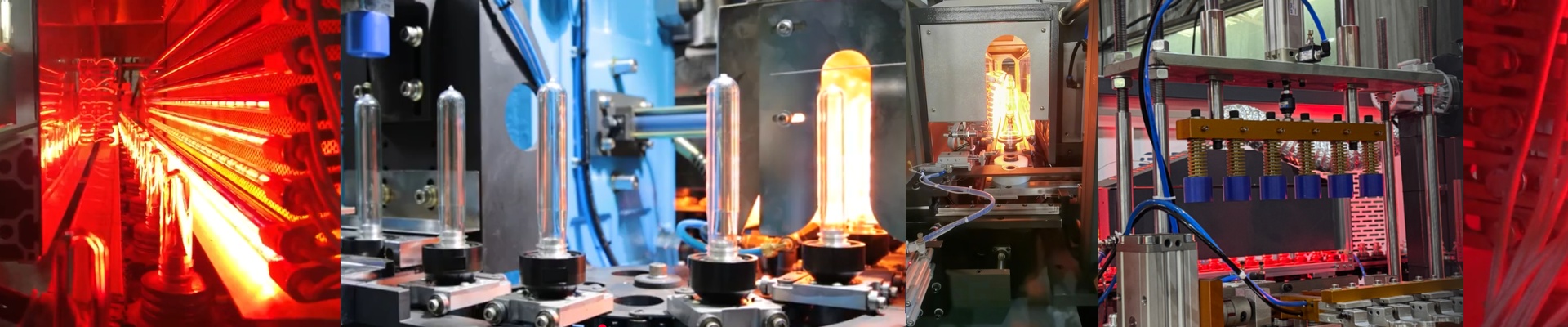
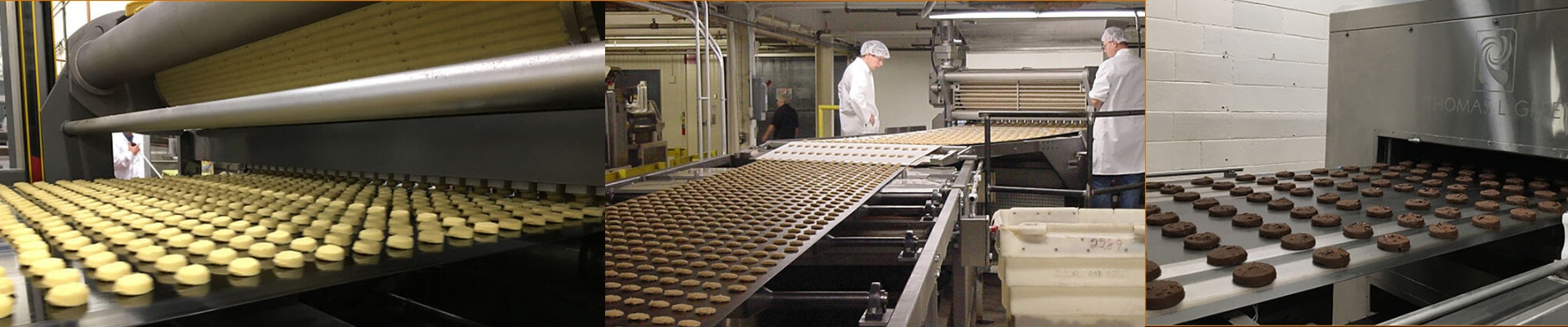
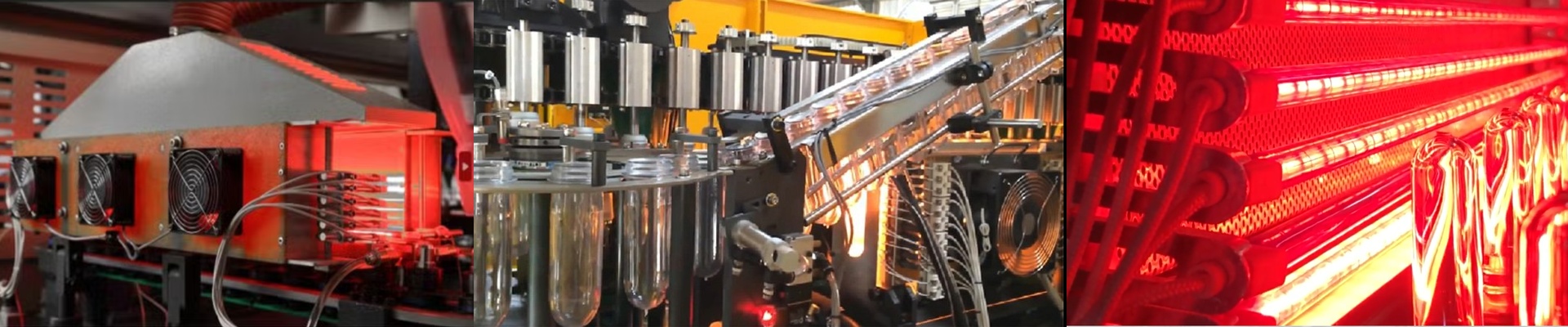
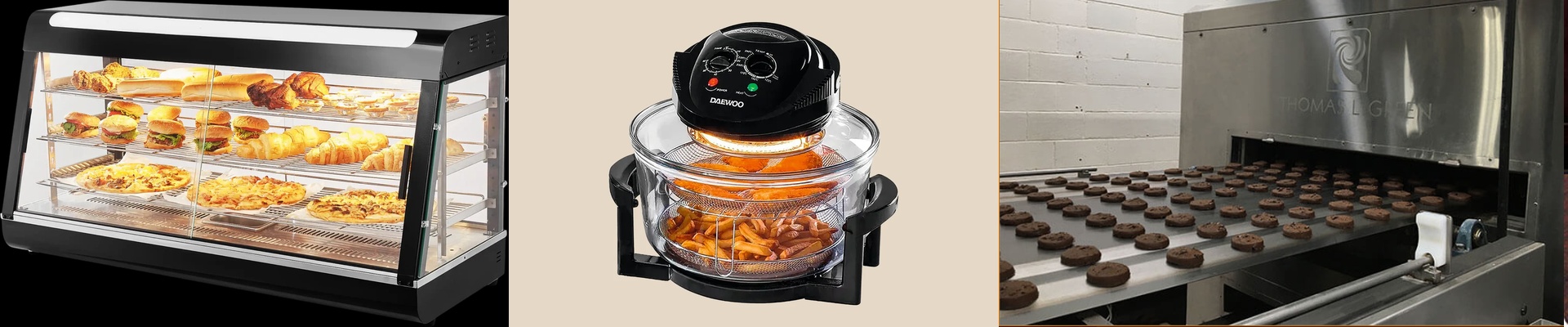
If you’ve spent any time in a high-volume bakery, you know the frustration of thermal inertia. It’s that annoying lag where you’re just waiting for your oven to catch up. Traditional heating elements are slow. They take forever to get hot, and they take even longer to cool down. It kills your rhythm. That’s why we use 110V short-wave infrared (IR) elements. We call it “second-level response” because, honestly, they just hit the target temperature almost instantly. No waiting around. How it actually works We stick with 110V because it plays nice with standard commercial power grids, but it still packs a serious punch. Here is the real difference: convection ovens heat the air, which then heats the bread. IR radiation skips the middleman. It shoots energy directly into the surface of the dough. This means you can tighten up your baking cycles and push more loaves through the door. You get that perfect, crisp crust set quickly, without accidentally baking the center of the loaf into a brick. The build quality We make these out of high-purity quartz glass. Why? Because rapid heating and cooling is brutal on materials. Quartz can handle that thermal shock without cracking under pressure. Inside, the filament is wound with precision so you don’t get weird cold spots; the heat is steady across the whole tube. Plus, we use standard connectors. You can just drop them in and wire them up. No need to call in a fabrication team or spend hours hacking at the machine. The honest truth about using them Look, IR heating is aggressive. Because it moves energy so fast, there’s very little room for error. If your conveyor speed is off by a few seconds, you aren’t just overbaking—you’re scorching. You’ll need to spend some time tweaking your PID controllers to get the response just right. And a word of caution: quartz is tough, but it’s still glass. It can’t take a physical beating, and it hates grease. If a lamp gets coated in grime, it’ll create hotspots and burn out way too early. Keep them clean, and they’ll last.