Getting Your Sterilization Cabinet Up to Temp in Seconds
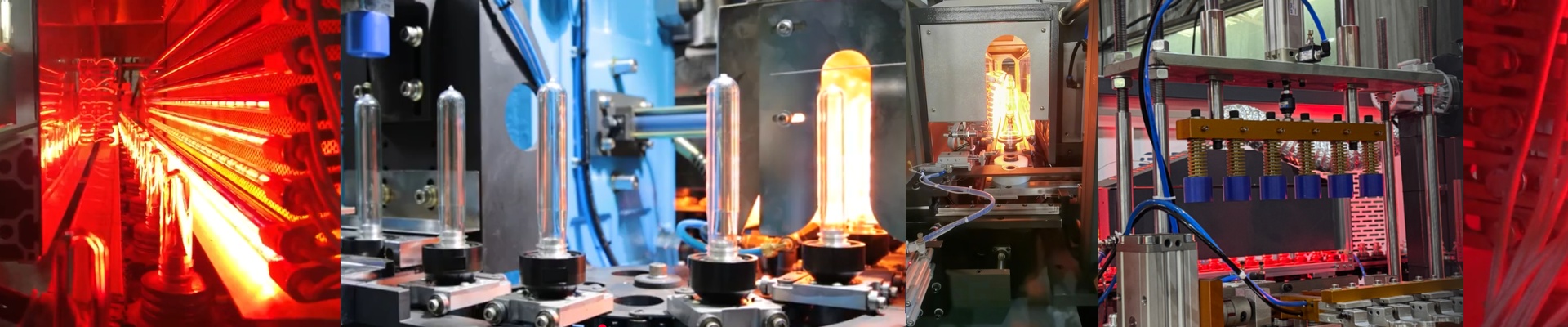
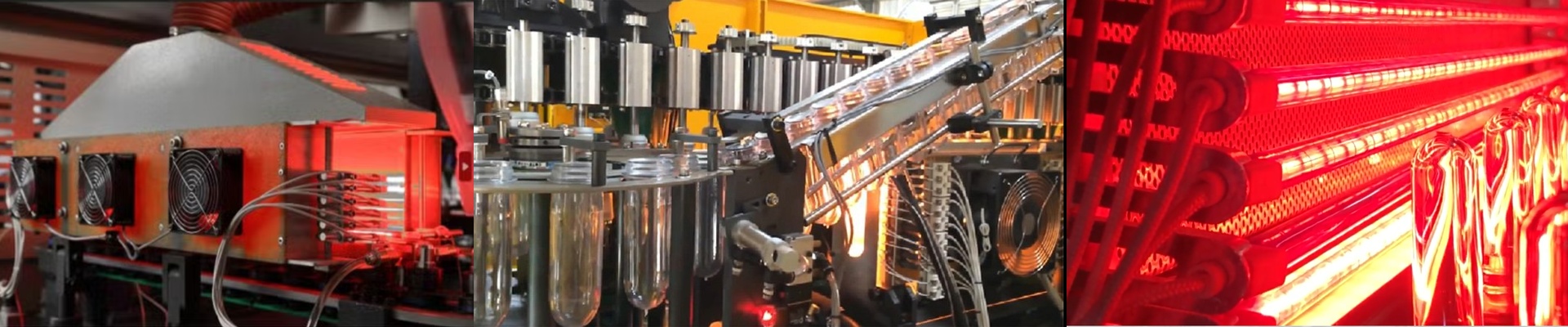
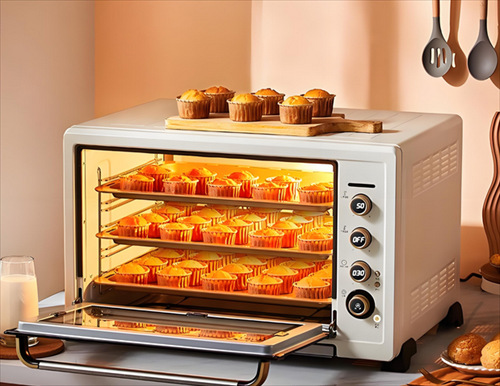
If you’ve ever tried using standard resistive coils to heat a sterilization cabinet, you know the frustration. They’re slow. Too slow. When you need to kill bacteria now, you can’t afford to sit around waiting for the air to warm up. That’s why we use stainless steel halogen bulbs. They don’t mess around with heating the air first. Instead, they use short-wave infrared radiation to beam energy directly onto the surface of whatever you’re disinfecting. It’s almost instant. Why this actually works The secret is in the design. We use a quartz envelope filled with halogen gas, which lets the filament run incredibly hot without just evaporating away. The result? An “instant-on” effect. You go from room temperature to a lethal heat zone for bacteria in a few seconds. It’s fast. Really fast. And that changes everything for your workflow. Building it to last We wrap these elements in stainless steel. Why? Because these units usually live in humid environments, and nobody wants to deal with rust or corrosion. The quartz glass is the real MVP here—it lets the IR radiation slide right through without soaking up the heat itself. Just a heads-up if you’re doing the wiring: make sure your controllers can handle that initial surge of power when they kick on. The trade-offs (Because nothing is perfect) Here’s the thing: all that heat density comes with a price. These bulbs gethot. If your cabinet insulation is flimsy or your cooling fans aren’t up to the task, you’re asking for trouble. You could warp the chassis or, worse, melt your wiring. You’ve got to find that sweet spot between the wattage and the actual mass of your cabinet. You want to kill the germs, not melt the box. If the voltage and length match your sockets, these lamps usually slide right into most high-speed heating arrays without any fuss.